
Bangkok Post
Quick decision urged for three-airport rail project
Either find a new private investor or tweak project details
PUBLISHED : 11 Jul 2026 at 04:30
UPDATED : 11 Jul 2026 at 11:22
The long-delayed high-speed rail project in the Eastern Economic Corridor (EEC) designed to connect Don Mueang, Suvarnabhumi and U-tapao airports is expected to have significant changes as the government considers seeking a new private investor, says the EEC Office.
The matter is scheduled to be brought before the EEC Board for review soon, chaired by Prime Minister Anutin Charnvirakul.
Chula Sukmanop, secretary-general of the EEC Office, said the board meeting depends on the prime minister's schedule, but he emphasised urgency in moving the project forward.
"The government must decide whether it wants to find a new investment partner or adjust the project's technical specifications to ensure viability," said Mr Chula.
"The original plan faced financial feasibility issues and difficulties in securing bank loans."
The project has been plagued by delays, with construction progressing slowly under Asia Era One, the concessionaire led by CP Group.
The company requested revisions to the contract following disruptions caused by the pandemic and the Russia-Ukraine war. The consortium has also said that lenders no longer believe the project is viable unless changes are made.
Mr Chula said the contract between Asia Era One and the State Railway of Thailand (SRT) was terminated due to non-compliance with contract terms.
Asia Era One, however, said it has not formally withdrawn, and a notice sent to the SRT has been misinterpreted.
Mr Chula said that if termination occurs, negotiations are expected to focus on dividing assets.
"Contract termination is like a divorce. Both sides must determine ownership and settle damages," he said, noting this process should not stall development.
He reassured investors the government remains committed to completing the rail link, which is considered vital for increasing investment in the EEC.
Industry Minister Varawut Silpa- archa echoed this optimism, predicting Thailand's investment climate will strengthen in the second half of 2026.
He credited government efforts to attract foreign investors to targeted industries within the EEC.
"We expect investment will help Thai GDP grow by more than 3%," Mr Varawut said.
He acknowledged challenges posed by global geopolitical conflicts, including tensions in the Middle East, which have disrupted energy prices and supply chains.
To counter these risks, Mr Varawut emphasised the need for Thailand's industry to transition towards high-technology and sustainable sectors under the bio-, circular and green economic model.
View original source — Bangkok Post ↗
Related stories

The Punch
WorldJul 11, 2026 · 1 min
How 44 abducted Oyo pupils, teachers were rescued – Army
The Punch

Indian Express
WorldJul 11, 2026 · 1 min
Unsung Hero| Meet Rahul Bavaji, the conservationist educating tribal children in Karnataka
Indian Express
Indian Express
WorldJul 11, 2026 · 1 min
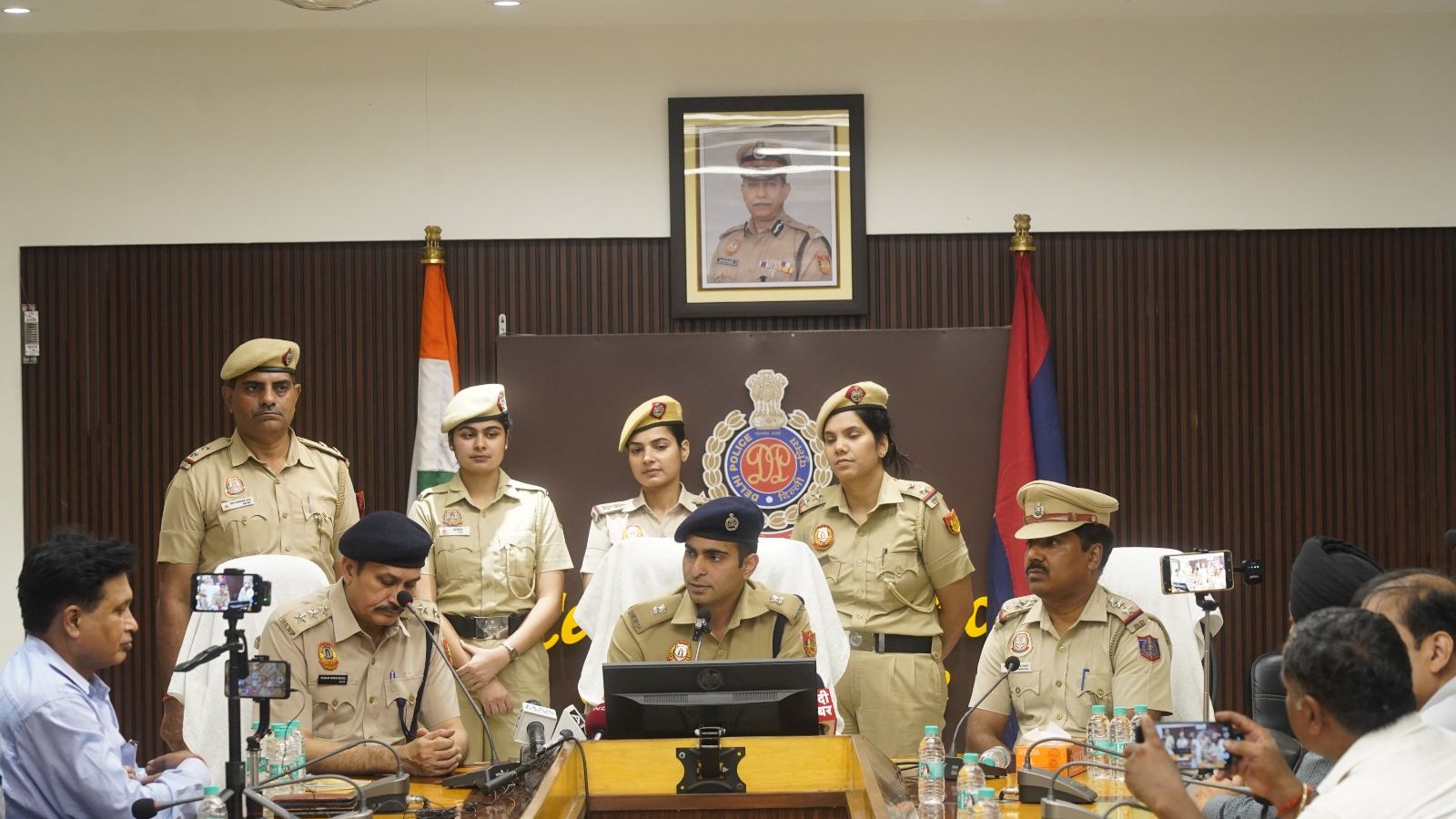
Vulnerable parents, couples seeking male child targeted: Delhi police on interstate racket probe
Indian Express

Straits Times
WorldJul 11, 2026 · 1 min
‘Locked and Loaded’: Trump vows to decimate Iran if it carries out assassination plot against him
Straits Times