TechRadar
I review smart rings for a living, and the Samsung Galaxy Ring 2 needs these 6 upgrades to stay relevant
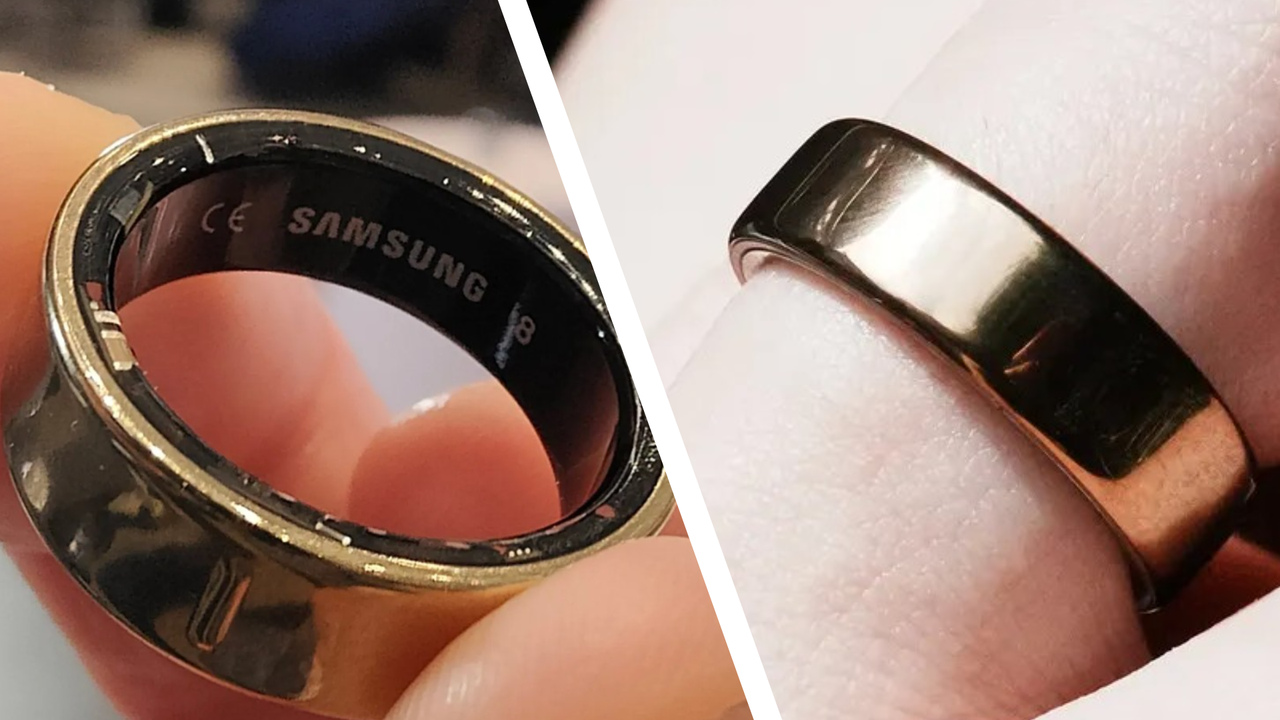
Samsung has officially confirmed that the Galaxy Ring 2 is in development. Dr. Hon Pak, Senior Vice President and Head of Samsung’s Digital Health Team, recently told Forbes that the company is “working on the next generation” of its smart ring.
Beyond confirming that a successor ring is on the way, Pak offered only a few hints about what we might expect. But the smart ring market looks different than it did when the original Galaxy Ring launched in 2024.
Competition is growing rapidly, with new smart rings appearing almost every month. While many still struggle to match the devices in our best smart rings guide, the bar has been raised considerably. The original Samsung Galaxy Ring remains our top overall pick, while the newly launched Oura Ring 5 is one of its strongest rivals.
I’ve tested many of the latest smart rings, and if Samsung wants its next ring to remain at the top, these are the upgrades I’d most like to see.
1. Resist the temptation to add a subscription
Even though interest in smart rings has surged over the past few years, I think we can still say they’re a relatively niche category. And I think one of the biggest barriers to entry is the ongoing subscription fee some brands charge.
For example, Oura requires a monthly membership of $5.99/£5.99 per month to unlock its full experience, and subscriptions — optional or otherwise — are on the up with fitness apps. Meanwhile, rivals like Ringconn have built some of their appeal around offering a similar health tracking experience without that additional fee.
Samsung certainly got this right with the original Galaxy Ring. And there are currently no signs a subscription is coming. But maintaining that approach feels increasingly important. We’ve already seen some companies introduce subscription-free products only to later place some features behind a paywall.
Sign up for breaking news, reviews, opinion, top tech deals, and more.
If Samsung wants to keep the Galaxy Ring truly competitive, it must make core health insights available without a monthly fee.
2. A slimmer and lighter design
Designing a smart ring has always been a challenge. Manufacturers need to pack in sensors, batteries and processing power all while making the ring feel as comfortable and jewellery-like as possible.
That’s one reason the new Oura Ring 5 has generated so much attention. It’s managed to become smaller and lighter while still adding some new capabilities.
Now, the Galaxy Ring 2 doesn’t necessarily need to be the smallest ring on the market. But even a slight reduction in size and weight would demonstrate that Samsung understands just how important comfort is when you’re asking people to wear something 24 hours a day.
3. Better battery life
Battery life is such an important part of the smart ring experience. The more I take off a ring, the less likely wearing it everyday will become a habit. And the more likely I become to forget about it. It also makes monitoring for trends and average vitals more tricky and less accurate.
As I write this, I’m testing the RingConn Gen 3, which promises significantly longer battery life than many of its rivals at 12 days on average. Other manufacturers are also exploring new battery technologies and the Samsung Galaxy Ring 2 is rumored to be getting a powerful solid-state battery upgrade
The original Galaxy Ring already offers a good battery life, but expectations are rising fast. And again, Samsung doesn’t necessary need to beat every rival. But if competing rings continue pushing to longer runtimes, the Ring 2 will need to remain competitive.
4. iOS support
I think we can safely say this one feels less like something I’d like to see in the next generation of Samsung Galaxy Ring and more like something that must be a necessity.
The Samsung Galaxy Ring was only for Android users. Now, reports already suggest Samsung is working towards iPhone compatibility. If that’s true it could dramatically increase the Galaxy Ring’s appeal.
Because at the moment, limiting the ring to Samsung’s ecosystem excludes loads of potential buyers. Sure, Samsung users will continue to benefit from deeper integrated and additional features. But core functionality across both Android and iOS feels like a necessity.
However, we know Apple's already filed a patent for ring technology — see the above diagram — so even if it never comes to fruition, it's certainly a form factor Apple is mulling over.
5. Add a compelling new health feature
Most smart rings track the same core metrics, like sleep, heart rate, activity, stress and recovery. That means Samsung may need to offer something genuinely distinctive to stand out.
I say that because I’ve been testing the RingConn Gen 3 over the past few weeks, which adds features like vascular health insights and sleep apnea monitoring. Now, whether those features prove valuable to most users over the long term remains to be seen. But, they give the ring a clear point of differentiation.
I don’t think Samsung needs to copy those exact features. But offering something beyond the standard collection of health metrics could help the Galaxy Ring 2 feel like a meaningful upgrade over the original and a solid choice in a sea of similar offerings.
6. AI that isn’t annoying
I’m generally sceptical about AI chatbots in wearables because most implementations I’ve tested simply repeat the same information that’s visible in the app or provide really generic recommendations.
That said, some of Pak’s comments to Forbes do suggest Samsung is thinking beyond a basic execution of AI. Explaining that people have different motivational styles, so the approach needs to be tailored accordingly: “Over the next two to three years, the AI will be able to say, based on this person's characteristics, I'm going to nudge them this way, and 70 or 80 per cent of the time I can predict that person is going to exercise more or sleep more.”
I’m still cautious, especially as Samsung has already added some AI features to Samsung Health. But many wearable brands underestimate how much language matters when it comes to behavior change. The best implementation isn’t just telling users to sleep more, it might identify useful patterns, changes or spot warning signs and deliver advice in a way that’s genuinely personalized.
If Samsung can achieve that, AI could become one of the Galaxy Ring 2’s most compelling features rather than another box-ticking exercise.
There’s a good chance we’ll learn more at Samsung’s next Galaxy Unpacked event, which is scheduled to take place in London on July 22, 2026.
Becca is a contributor to TechRadar, a freelance journalist and author. She’s been writing about consumer tech and popular science for more than ten years, covering all kinds of topics, including why robots have eyes and whether we’ll experience the overview effect one day. She’s particularly interested in VR/AR, wearables, digital health, space tech and chatting to experts and academics about the future. She’s contributed to TechRadar, T3, Wired, New Scientist, The Guardian, Inverse and many more. Her first book, Screen Time, came out in January 2021 with Bonnier Books. She loves science-fiction, brutalist architecture, and spending too much time floating through space in virtual reality.
View original source — TechRadar ↗
Related stories

RFI
TechnologyJul 11, 2026 · 1 min
Relations between Algeria and Mali thaw after year-long rift over drone
RFI

Wired
TechnologyJul 11, 2026 · 1 min
Beatbot AquaSense X Review: A Pool Robot That Cleans Itself
Wired

The Guardian
TechnologyJul 11, 2026 · 1 min
Safe from AI: which jobs will help you thrive in the future?
The Guardian

TechRadar
TechnologyJul 11, 2026 · 1 min
I’ve driven the hybrid Audi RS 5 — and it's completely changed what I think of plug-in hybrids
TechRadar