Indian Express
Wading through floodwater, Mumbai woman develops painful red bumps and fever: What is leptospirosis?
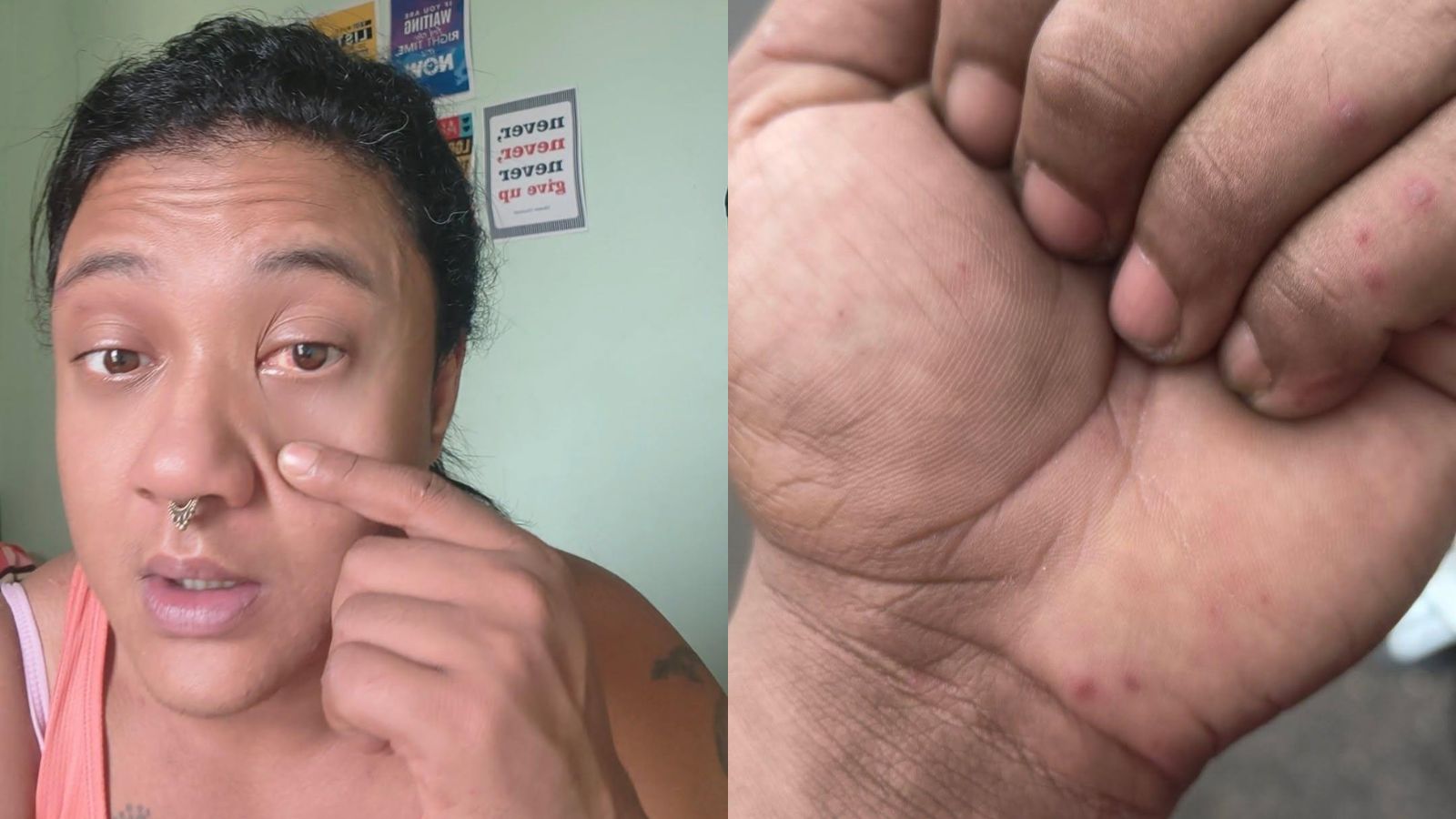
When fitness coach Aanantaa Sujata Barua rode through flooded streets in Navi Mumbai to reach her workplace, she assumed the fever that followed was just another viral infection. But when painful red rashes appeared on her palms, fingers and feet, doctors diagnosed leptospirosis — a bacterial disease that public health experts fear could become more common as floodwaters recede across Mumbai and neighbouring districts.
“I have to go to work every day, whether it’s monsoon or summer. I travel on my scooter but during the rains there is so much flooding in Ulwe that I have no option but to ride and walk through flooded roads to reach the station and my workplace. A few days later, I noticed tiny red bumps on my palms, fingers and feet. They were burning and extremely painful — I couldn’t even close my hands. The next day, I developed a fever and immediately went to a doctor. Initially, I thought it was just a viral fever, but the doctor diagnosed me with leptospirosis,” she says.
She was given antibiotics, an injection and medicines for fever. “For the past seven days, we’ve also been getting muddy water through our taps. So how can anyone say for sure whether the infection came from the dirty floodwater outside or the contaminated water at home?” she asks.
Similarly, 11-year-old Neetu Pitale (name changed) from Wadala developed fever first, which persisted with severe body aches, weakness and headache. She was brought to Cama and Albless Hospital, where doctors diagnosed leptospirosis. “She came to us early, so there have been no complications and she is responding well to treatment. If patients report early, the disease is treatable. Delayed treatment, however, can lead to severe complications,” says Dr Tushar Palve, medical superintendent of Cama and Albless Hospital.
Doctors warn that Mumbai and its neighbouring regions could see a rise in leptospirosis cases following days of heavy rainfall and prolonged waterlogging. Areas such as Vasai-Virar, where floodwaters remained stagnant for nearly five days before receding, are expected to report more infections in the coming days.
What is leptospirosis and how it spreads
Dr Palve explains that leptospirosis is a water-borne bacterial infection and should not be confused with mosquito-borne diseases such as dengue and malaria. “Dengue and malaria are transmitted by mosquitoes. Typhoid is also a water-borne disease but enters the body through the mouth after consuming contaminated food or water. Leptospirosis enters through cuts or abrasions in the skin after contact with contaminated floodwater,” he says.
The infection is caused by the Leptospira bacteria, which is spread through the urine of infected animals such as rodents, cattle, dogs and cats. During the monsoon, contaminated urine and animal waste mix with floodwater and mud, allowing the bacteria to enter the body through even small cuts, abrasions or cracked skin. Because of its association with rodents and flooding, leptospirosis is commonly known as “rat fever” or “flood fever.”
Diagnosis and those at highest risk
Story continues below this ad
Doctors diagnose leptospirosis based on a patient’s symptoms, history of exposure to floodwater and laboratory investigations. Dr Palve says PCR tests can detect the Leptospira bacteria during the first week of illness, while Rapid IgM and ELISA IgM antibody tests are commonly used from around the fifth day of fever. The Microscopic Agglutination Test (MAT) remains the gold standard for confirming the infection, although it is available only at specialised laboratories.
Who is at risk?
Dr Palve warns that while most patients recover if treatment is started early, delayed diagnosis can be life-threatening. “People above 60 years of age, pregnant women, and those with diabetes, asthma, chronic lung disease or other co-morbidities are at a much higher risk of developing severe illness. They may require ventilator support, and in some cases the infection can be fatal,” he says.
Monsoon disease and foot care
Doctors advise residents in flooded areas to pay particular attention to skin and foot care after exposure to floodwater. People who have no option but to walk through waterlogged areas should wear waterproof footwear or gumboots.
After returning home, feet should be washed thoroughly with soap and clean water and dried completely — especially between the toes. Any cuts or wounds should be cleaned with an antiseptic and covered with a clean dressing. People with diabetes, poor circulation or weakened immunity should inspect their feet daily during the monsoon and seek medical attention if they develop redness, swelling, persistent pain or fever. Control rodent infestation around homes and workplaces, as rats are a major source of infection. Drink safe water and maintain good sanitation, particularly after floods.
What about treatment?
Story continues below this ad
People exposed to flood water should seek medical advice within 24–72 hours. In high-risk situations, doctors may prescribe preventive antibiotics. The most commonly used prophylactic antibiotic is Doxycycline but it is avoided in pregnant women, children under eight years of age (unless the benefits outweigh the risks), people allergic to tetracycline antibiotics. For these groups, doctors may prescribe an alternative antibiotic.
For moderate to severe disease requiring hospitalisation, treatment may include intravenous antibiotics. Patients with severe disease may also require supportive care such as intravenous fluids, dialysis for kidney failure, oxygen or ventilator support, and intensive care monitoring.
View original source — Indian Express ↗
Related stories

Mexico News Daily
HealthJul 11, 2026 · 1 min
If San Miguel is going to stay the “best city in the world,” it has to up its game: A perspective from our CEO
Mexico News Daily

Times of India
HealthJul 11, 2026 · 1 min
World's deadliest snakebite hotspots every traveller should know
Times of India

BBC
HealthJul 11, 2026 · 1 min
TV presenter Dermot Murnaghan dies aged 68
BBC
The Guardian
HealthJul 11, 2026 · 1 min
NHS anaesthetist shortage prevents 1.5m operations a year, report finds
The Guardian