The Guardian
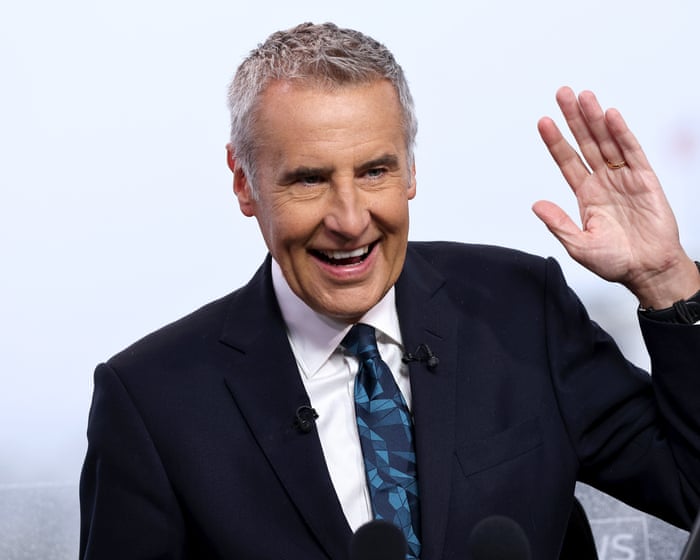
TV presenter Dermot Murnaghan dies after being ill with prostate cancer
The former BBC and Sky News presenter Dermot Murnaghan has died aged 68 after a “period of illness with prostate cancer”, his family has said.
The journalist, who has long been a fixture on British TV screens, was also known for hosting the quizshow Eggheads.
Before joining Sky in 2007, Murnaghan was a main presenter on BBC Breakfast and often helmed the broadcaster’s six o’clock and 10 o’clock news programmes.
In 1997 he announced the death of Diana, Princess of Wales, live on ITV News and in 2023 he broke the news on Sky News of the death of Queen Elizabeth II .
Last June, Murnaghan revealed that he had been diagnosed with stage four prostate cancer. At the time, he said: “Needless to say, my message to all men over 50, in high-risk groups or displaying symptoms, is get yourself tested and campaign for routine prostate screening by the NHS.”
In a statement posted on X on Saturday, his family said: “It is with great sadness that the family of Dermot Murnaghan announces that he passed away at home in north London earlier this morning. He died peacefully with his family at his side.
“The family wish to thank the medical teams who cared for Dermot with such sensitivity and extraordinary compassion throughout his illness.”
His family asked that “anyone wishing to remember him considers supporting Prostate Cancer UK, Prostate Cancer Research and North London Hospice so that others may benefit from the research and care he received”.
Murnaghan’s recent projects included Channel 5’s true crime documentary series Killer Britain and the podcast Legends of News, where he spoke with other well-known journalists. The last episode was released in January.
He made a cameo as a newsreader in the 2004 film Wimbledon, starring Paul Bettany and Kirsten Dunst.
After his diagnosis, Murnaghan said he had formed a “rather unwanted bond” that give him “joy” with Chris Hoy, the six-time Olympic gold medallist, who disclosed he had a terminal diagnosis for prostate cancer in October 2024. Hoy contacted Murnaghan after hearing about his diagnosis. Murnaghan told the Telegraph: “He’s the oracle. He said to me, ‘No matter how bad it gets, you have to think of the treatment as helping you punch [the cancer] back.’”
About one in eight men will get prostate cancer in their lifetime, according to the charity Prostate Cancer UK, and the disease often has no symptoms in its earlier stages.
Murnaghan’s funeral will be a small, family ceremony. A memorial service for friends and colleagues will take place at St Bride’s Church, Fleet Street, known for its association with journalists, later this year.
View original source — The Guardian ↗
Related stories
Indian Express
EntertainmentJul 11, 2026 · 1 min
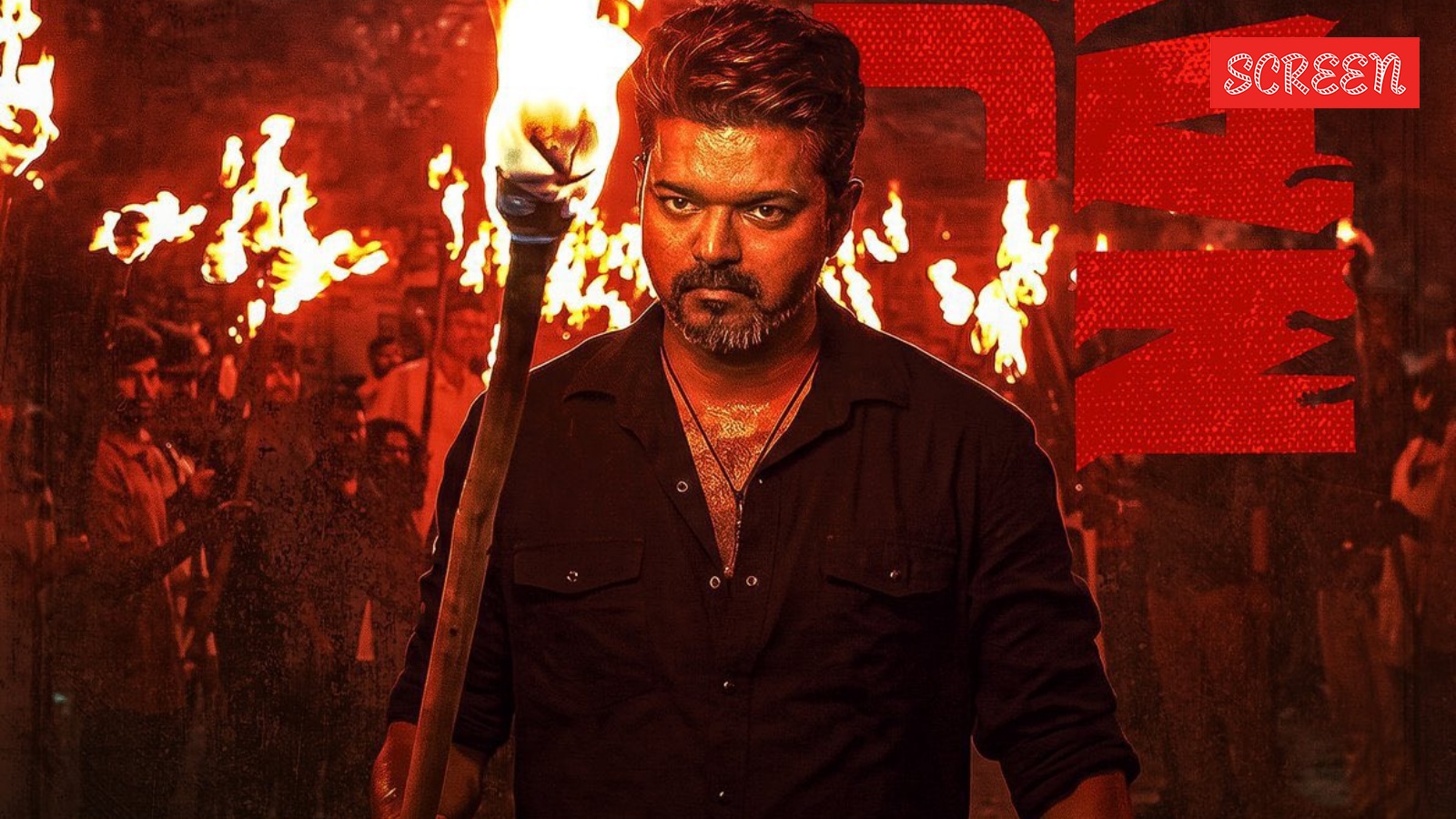
Vijay’s Jana Nayagan sells thousands of tickets in UK in first hour of advance bookings
Indian Express

Deadline
EntertainmentJul 11, 2026 · 1 min
DOJ Subpoenas New York Times Journalists After Report On Trump’s New Air Force One
Deadline

Indian Express
EntertainmentJul 11, 2026 · 1 min
The 5-minute brain exercise that could make falling asleep easier
Indian Express
Dawn
EntertainmentJul 11, 2026 · 1 min
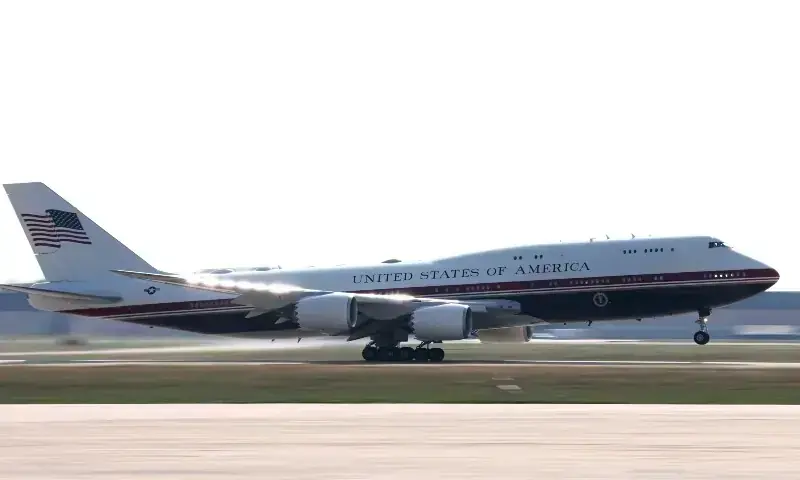
Scare Force One? Security questions swirl over Trump's new plane
Dawn