Philippine Daily Inquirer
Why experiential travel is driving interest in America’s national parks
Travel trends continue to evolve as consumers increasingly prioritize meaningful experiences over traditional sightseeing.
Across the tourism industry, one of the fastest-growing segments has been experiential travel—a style of travel focused on immersion, personal connection and authentic experiences. This shift is helping drive renewed interest in America’s national parks, particularly among international visitors seeking a deeper connection with nature and local culture.
Unlike traditional vacations that focus primarily on visiting landmarks or checking destinations off a list, experiential travelers are looking for opportunities to engage with a place in a more meaningful way. They want to hike through dramatic landscapes, learn about local history and culture, meet local people and create memorable experiences that extend beyond taking photographs.
Article continues after this advertisement
America’s national parks are uniquely positioned to meet this demand. The United States is home to 63 national parks, many of which offer extraordinary opportunities for outdoor recreation, wildlife viewing, photography and cultural exploration. Parks such as Zion, Bryce Canyon, Arches, Canyonlands and Grand Canyon National Park have become especially popular among travelers seeking adventure, wellness and a break from increasingly digital lifestyles.
FEATURED STORIES
BUSINESS
BUSINESS
BUSINESS
Industry experts note that travelers are placing greater value on experiences that promote personal well-being. Time spent outdoors has been linked to reduced stress, improved mental health and increased physical activity. As a result, destinations that offer access to nature are seeing continued growth in visitor demand.
Another trend influencing travel decisions is the desire for smaller, more personalized experiences. Many travelers are moving away from large tour groups and instead seeking guided journeys that provide flexibility, local insight and a more intimate connection with the destination. Small-group travel often allows visitors to explore at a more relaxed pace while gaining a deeper understanding of the places they visit.
For international travelers, planning a national park journey can also present challenges. Distances between destinations can be significant; weather conditions vary by season; and some of the most scenic locations are found in remote areas. Travel experts recommend researching transportation options, seasonal conditions, accommodation availability and park reservation requirements before traveling.
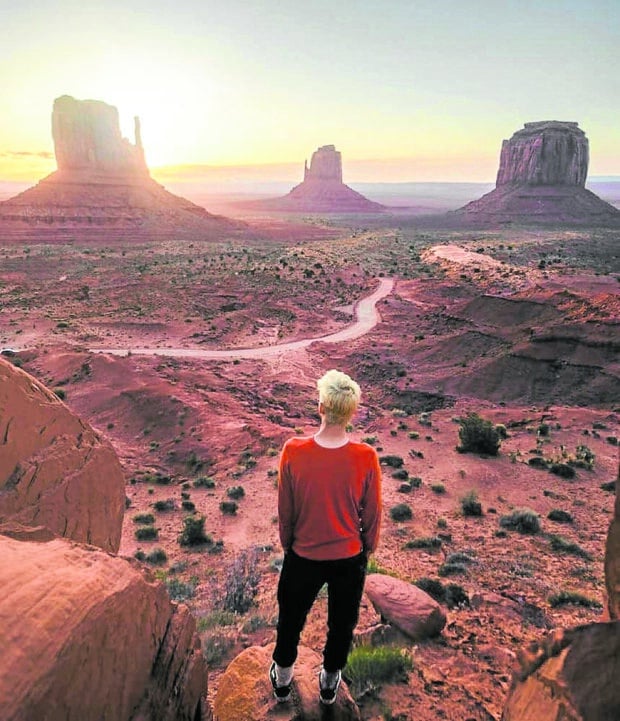
The American Southwest has emerged as one of the most sought-after regions for experiential travel. Home to some of the country’s most iconic landscapes, the region offers opportunities for hiking, mountain biking, photography, stargazing, cultural exploration and scenic road trips. Visitors can experience dramatic desert landscapes, towering sandstone formations, ancient cultural sites and some of the darkest night skies in North America.
Article continues after this advertisement
As consumer preferences continue to shift toward experience-based travel, America’s national parks are expected to remain a significant driver of tourism growth. For travelers seeking adventure, wellness and meaningful connections with the natural world, the national parks offer far more than a vacation—they provide an opportunity to create lasting memories through shared experiences and exploration.
For consumers considering a visit to the United States, experts recommend planning early, traveling during spring or autumn when possible, and allowing sufficient time to experience destinations beyond the major landmarks.
Article continues after this advertisement
In many cases, the most memorable moments are found not at the famous viewpoints, but along the journey itself. —Contributed
(Jeremy Franklin is the founder of Western Awakenings, a guided adventure travel company based in Utah, United States. With nearly two decades of experience exploring and leading journeys throughout the American Southwest, he focuses on emerging travel trends, experiential tourism and the growing consumer demand for meaningful outdoor experiences.)
Your subscription could not be saved. Please try again.
Your subscription has been successful.
View original source — Philippine Daily Inquirer ↗
Related stories

The Punch
WorldJul 11, 2026 · 1 min
World Population Day: Radda pledges data-driven development in Katsina
The Punch
The Punch
WorldJul 11, 2026 · 1 min
US lawmaker says armed Israeli settlers detained him in West Bank
The Punch

TASS
WorldJul 11, 2026 · 1 min
Death toll from Venezuela earthquake rises to 4,333
TASS

TASS
WorldJul 11, 2026 · 1 min
Oman, Iran agree to continue talks on security in Hormuz Strait
TASS