Indian Express
From Kilimanjaro to Mohali: The entrepreneur who bet on Punjab
Written by: Asmita Maini
4 min readJul 12, 2026 01:02 PM IST
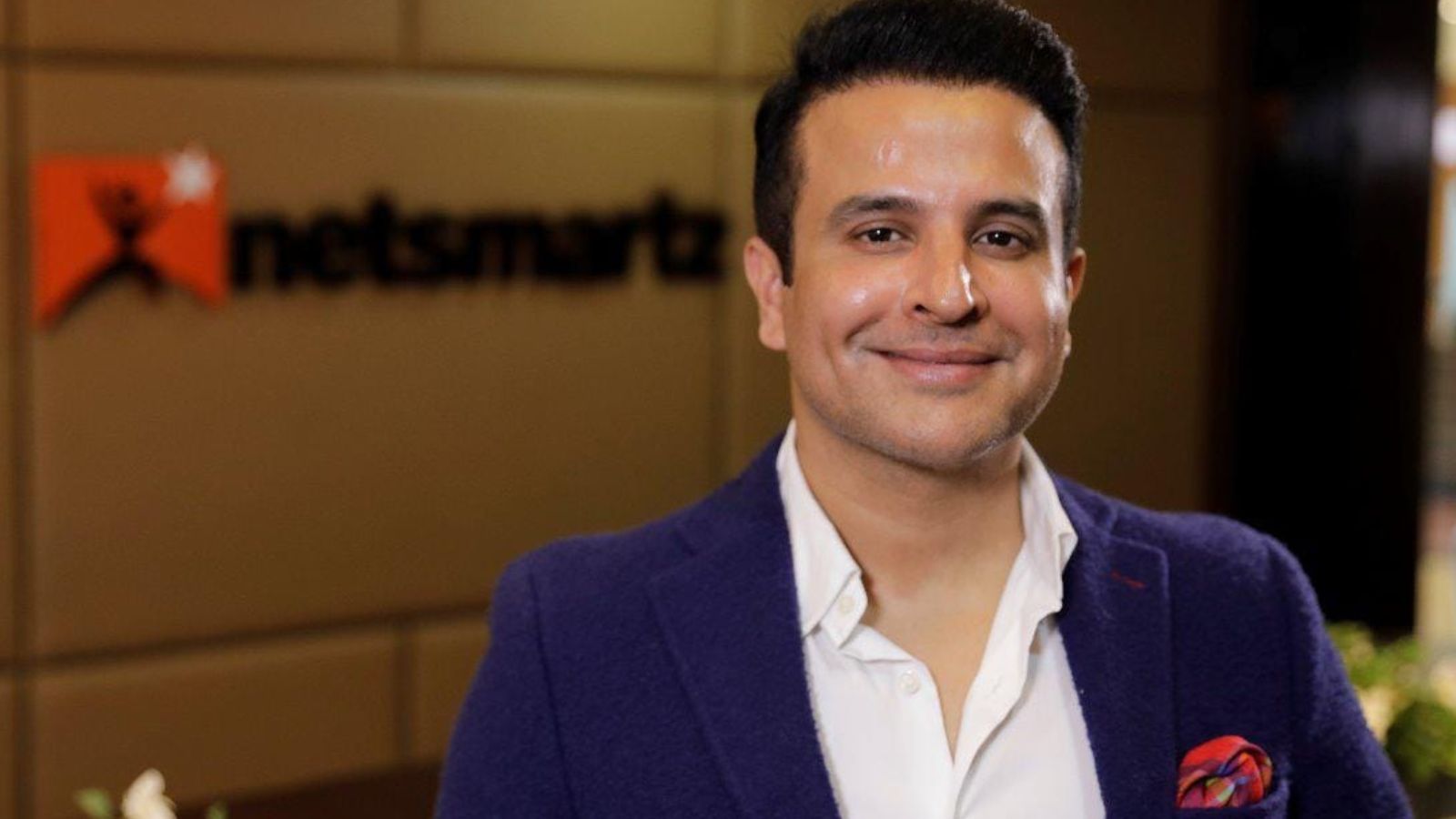
Instead of moving to Bengaluru during India's IT boom, Manipal Dhariwal chose Mohali to build Netsmartz.
Roots of resilience
Some entrepreneurs build companies. Others build ecosystems.
For Manipal Dhariwal, founder of Netsmartz, success has never been defined only by balance sheets. It is measured by the opportunities created for others.
Born in Nepanagar, Madhya Pradesh, to a Punjabi family rebuilding its life after Partition, Dhariwal grew up on stories of perseverance. His father, an electrical engineer, often recalled cycling miles to school and studying under the light of a lantern. Those stories became lifelong lessons in resilience, discipline and the value of education.
When he was seven, the family moved to Tanzania. Growing up at the foothills of Mount Kilimanjaro, he studied at an international school with classmates from nearly 18 nationalities. The exposure broadened his worldview, while annual visits to Punjab kept him deeply connected to his roots.
The entrepreneurial spark
After completing his International Baccalaureate, Dhariwal moved to the United States to study Computer Engineering at the Rochester Institute of Technology. Its cooperative education programme exposed him to industry early, and during an internship at Johnson & Johnson, a manager predicted he would one day become an entrepreneur.
He brushed off the remark then. It proved prophetic.
His career began at ABB in the US, but evenings were spent building software with his brother after office hours. Juggling full-time jobs and freelance projects, often with the help of university interns, the brothers worked close to 100 hours a week.
In September 1999, those side projects became Netsmartz.
The Mohali gamble
The defining moment came two years later.
Story continues below this ad
While most technology companies were gravitating towards Bengaluru, the Dhariwal brothers chose Mohali, then an unlikely destination for an IT company. The city lacked infrastructure, experienced software professionals and even reliable internet connectivity.
The company’s first office was chosen largely because an internet service provider operated next door. Every weekend, Dhariwal travelled to Delhi and Bengaluru to recruit engineers willing to relocate to Punjab.
Rather than wait for an ecosystem to emerge, Netsmartz set about creating one.
Building an ecosystem
Over the next two decades, the company’s footprint expanded well beyond software development.
Story continues below this ad
The Netsmartz Group has helped create over one million square feet of technology campuses across the Tricity region, supporting businesses that employ more than 10,000 professionals.
Through the Startup Accelerator Chamber of Commerce (SACC), it has supported more than 500 startups, while partnerships with educational institutions have equipped over 30,000 students with technology skills.
For Dhariwal, these numbers represent more than corporate growth. They reflect the transformation of a region that was once overlooked by India’s technology industry.
Betting on the AI future
Dhariwal believes artificial intelligence is the next defining shift for business. Netsmartz is now repositioning itself as an AI-first organisation, embedding AI across engineering, customer experience, product development, sales and internal operations.
Story continues below this ad
His larger vision remains unchanged: to see Mohali emerge as North India’s leading technology hub, where startups, global capability centres, universities and established companies work together to create innovation at scale.
The legacy
Looking back, Dhariwal’s journey is about more than entrepreneurship.
It is about backing a region before others believed in it, choosing the harder path over the easier one, and proving that lasting success is measured not only by the company one builds, but by the opportunities it creates.
Sometimes the biggest achievement is not reaching the summit yourself.
Story continues below this ad
It is ensuring thousands of others can make the climb too.
View original source — Indian Express ↗
Related stories

Straits Times
WorldJul 12, 2026 · 1 min
Iran newspaper lists Trump, European leaders as revenge targets
Straits Times

Times of India
WorldJul 12, 2026 · 1 min
Ukraine steps up attacks on Russia, killing one and targeting refinery and tanker
Times of India

South China Morning Post
WorldJul 12, 2026 · 1 min
Why China’s ethnic unity law marks shift in policy towards assimilation
South China Morning Post
Times of India
WorldJul 12, 2026 · 1 min
Badrinath temple donation theft: U'khand govt orders action against officials
Times of India