Indian Express
Karnataka SIR: Uncollected forms tag on 7 lakh names; BBMP South tops list
2 min readBengaluruJul 12, 2026 08:10 PM IST
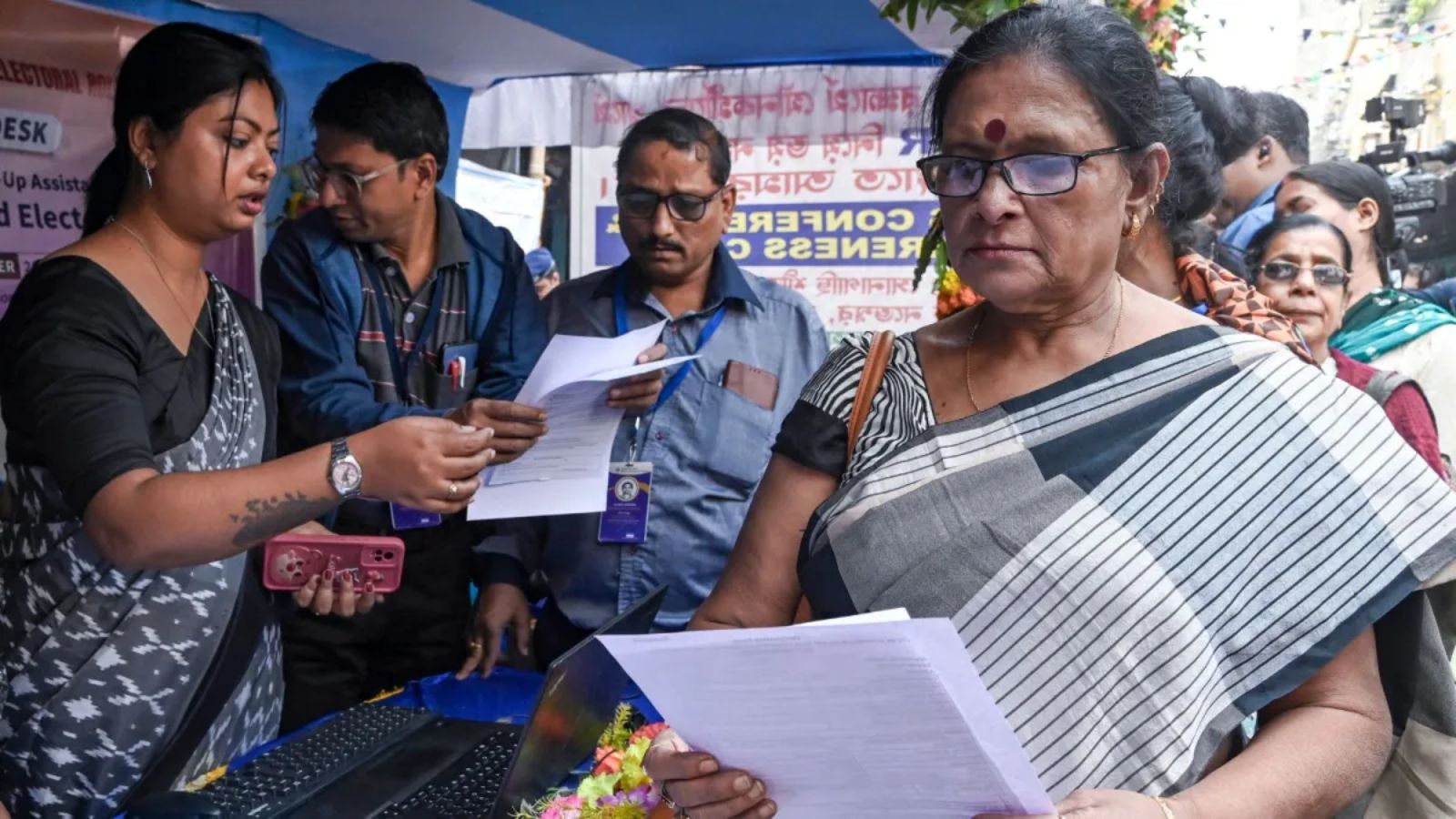
After the SIR, Karnataka's final electoral roll will be published on October 7. (Representational image)
Almost two weeks into the Special Intensive Revision (SIR) of the electoral roll in Karnataka, the Election Commission has classified over seven lakh names in the voter list under the uncollected enumeration form (UEF) category.
More than half of the uncollected enumeration forms relate to voters who have moved out of their constituencies. Numbering 4.15 lakh, they are under the “UEF permanent shifting” group, according to an SIR status report released on Sunday.
“UEF Death” is the second-largest group under the uncollected enumeration forms category. Around 2.05 lakh names were placed in the group during the ongoing door-to-door distribution of enumeration forms. Other groups under the category include “already enrolled” (35,838 voters), “absent” (79,146 voters), and “others” (2,314 voters).
Almost a third of the names classified under the uncollected enumeration forms category are in BBMP South, one of the four electoral districts of Bengaluru Urban district. Second is the Bangalore Urban electoral district, where such voters number 1.07 lakh, followed by BBMP Central with 88,549 voters.
Under the SIR, running from June 30 to July 29, booth-level officers (BLOs) distribute enumeration forms among 5.54 crore voters mapped by the Election Commission of India. As of Sunday, 5.15 crore—or 92.9 per cent—of voters have received their forms. And 1.44 crore enumeration forms—around 26 per cent—have been digitised, according to the Karnataka chief electoral officer.
Following the first phase, draft electoral rolls will be published on August 5. Claims and objections can be filed from August 5 to September 4, after which the SIR will enter the notice phase, where the claims and objections are disposed of.
The Opposition BJP and JD(S) have questioned the sanctity of the SIR exercise in the state and filed multiple complaints with the Election Commission. The main complaint was that enumeration forms were being distributed en masse, rather than through door-to-door visits, as mandated by the commission.
View original source — Indian Express ↗
Related stories
Indian Express
WorldJul 12, 2026 · 1 min
Moshi collapse: Probe begins into deaths of 9 workers
Indian Express

Al Jazeera
WorldJul 12, 2026 · 1 min
UK ambassador remembers former emir of Qatar as humble and humorous
Al Jazeera

Philippine Daily Inquirer
WorldJul 12, 2026 · 1 min
... Keep on reading: Crazy Jhenny, July 13, 2026
Philippine Daily Inquirer

Euronews
WorldJul 12, 2026 · 1 min
Latest news bulletin | July 12th, 2026 – Evening
Euronews