Philippine Daily Inquirer
PH 2026 inflation forecast cut to 5.1%
MANILA, Philippines – The Philippines’ inflation outlook may have improved on the back of easing global oil prices, prompting Nomura Global Markets Research to trim its 2026 inflation forecast, although it warned that underlying price pressures remain persistent.
In its latest report, the Japanese investment bank lowered its 2026 headline inflation forecast for the Philippines to 5.1 percent from its previous 5.5-percent projection.
READ: BSP: Inflation likely eased in June to 6-7%
Article continues after this advertisement
Nomura earlier identified the Philippines as one of Asia’s biggest beneficiaries of the tentative peace agreement between the United States and Iran, estimating that every 10-percent decline in global oil prices could shave about 0.5 percentage point off Philippine inflation—the largest disinflationary impact in the region alongside India.
FEATURED STORIES
BUSINESS
BUSINESS
BUSINESS
Still, Nomura cautioned that core inflation—which excludes volatile food and fuel prices—continues to face upward pressure.
“We lowered our CPI inflation forecasts due to our latest oil price assumptions. In terms of the trajectory, we believe headline inflation has already peaked, but core inflation has not, reflecting second-round effects,” Nomura said.
Philippine inflation eased for a second straight month to 6.4 percent in June from 6.8 percent in May, as lower global oil prices helped pull down domestic fuel costs.
Core inflation, however, accelerated to 4.4 percent in June from 4.1 percent a month earlier as businesses continued to pass on higher costs.
Article continues after this advertisement
It marked the sixth straight month of increases and the highest reading since November 2023 or nearly three years.
Notably, despite the downward headline revision, Nomura’s 5.1-percent inflation forecast for 2026 remains well above the Bangko Sentral ng Pilipinas’ (BSP) 3-percent target.
Article continues after this advertisement
The investment bank also flagged El Niño as a key upside risk to inflation, warning that the Philippines is among the countries most vulnerable to weather-related disruptions.
READ: El Nino set to be strong between July and September, UN warns
“The Philippines and India are most exposed to an El Niño shock, followed by Indonesia and Thailand,” Nomura said.
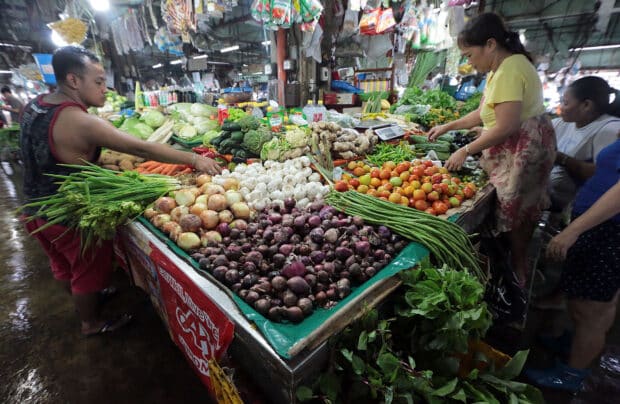
“Philippines is particularly vulnerable to higher rice prices: it is a net food importer (2% of GDP), and rice accounts for 8.9% of its CPI basket,” it added.
Further, Nomura said it still expects the BSP to raise its benchmark interest rate by another 50 basis points this year, bringing the policy rate to 5.25 percent.
Your subscription could not be saved. Please try again.
Your subscription has been successful.
“It will likely maintain a measured approach. We also continue to expect a very short hiking cycle that is likely to be reversed next year: we forecast 75bp of BSP cuts by H2 2027 to 4.50%,” Nomura said. INQ
View original source — Philippine Daily Inquirer ↗
Related stories

MarketWatch
BusinessJul 12, 2026 · 1 min
You don’t have to be rich to be financially independent. Here’s how to take control of your money.
MarketWatch
Bloomberg
BusinessJul 12, 2026 · 1 min
NZ Aims to Sign LNG Import Plant Deal Before November Election
Bloomberg
Bloomberg
BusinessJul 12, 2026 · 1 min
Traders Grapple With World That’s Good for Dollar, Bad for Bonds
Bloomberg

Dawn
BusinessJul 12, 2026 · 1 min
'We will not give up Indus': PPP holds Sindh-wide rallies condemning India's threats to Pakistan's water share
Dawn