Indian Express
Nearly 200% hike in 50-year interest-free capex loan for Delhi from Centre
3 min readNew DelhiJul 13, 2026 08:43 AM IST
Projects linked to Delhi Metro, Barapullah Elevated Corridor, Karawal Nagar Flyover, EV charging stations at Delhi Transport Corporation (DTC) depots, and other road infrastructure works are among the 28 projects that have got a greenlight from the Centre on July 9, according to a statement from the Chief Minister's Office.
(File)
The Centre has approved all 28 infrastructure projects proposed by the Delhi government under the Special Assistance to States for Capital Investment (SASCI) scheme at a total cost of Rs 1,647 crore, which is around three times of the amount sanctioned last year. The Centre has also sanctioned an additional Rs 756 crore as an incentive in recognition of Delhi’s efforts to increase capital expenditure from its own resources, officials said on Sunday.
Under the SASCI scheme, managed by the Ministry of Finance, the Centre provides long-term, 50-year interest-free loans to states and union territories to boost capital spending. It also provides incentives tied to reforms and capital investment by states.
Projects linked to Delhi Metro, Barapullah Elevated Corridor, Karawal Nagar Flyover, EV charging stations at Delhi Transport Corporation (DTC) depots, and other road infrastructure works are among the 28 projects that have got a greenlight from the Centre on July 9, according to a statement from the Chief Minister’s Office.
In the previous financial year, the Capital had received Rs 825 crore under this scheme for works under Delhi Metro Phase IV project, improvement of roads and drains and other infrastructure works.
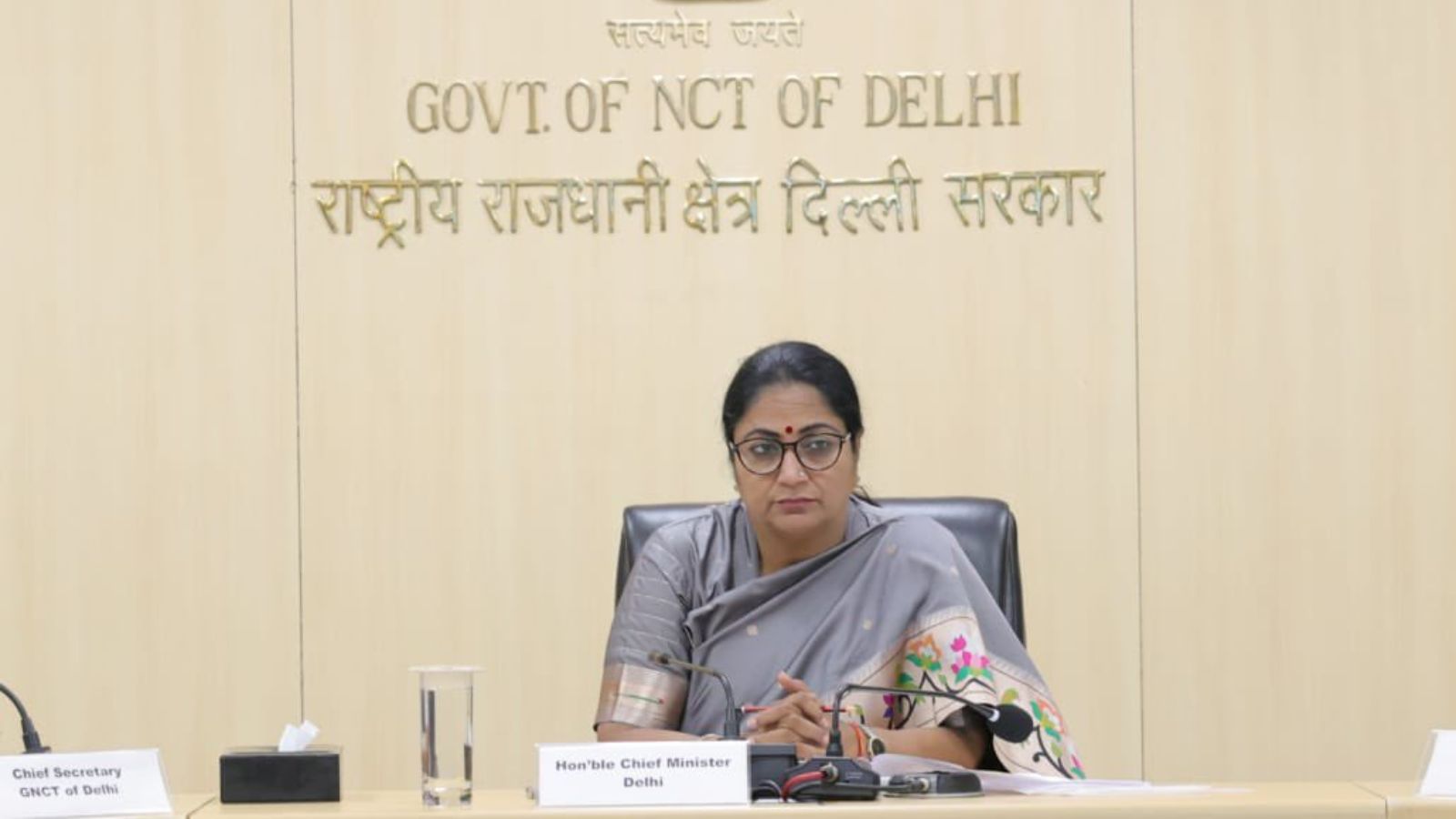
Chief Minister Rekha Gupta said her government had prioritised the scheme from the very beginning and consistently urged the Centre to approve Delhi’s infrastructure projects under SASCI. “As a result, all 28 projects proposed by the Delhi government were approved on July 9. This approval reflects the Centre’s confidence in the Delhi government’s commitment to reforms, financial discipline and its ability to implement development projects effectively,” she said.
SASCI was launched in 2020-21 amid the financial stress caused by the Covid-19 pandemic. Last year, after the BJP government came to power in Delhi after 27 years, the Centre had included Union Territories with legislatures – Delhi, Jammu and Kashmir and Puducherry – under the scheme.
The 2026-27 Union Budget allocated Rs 2 lakh crore as 50-year, interest-free capex loans for states under SASCI. Under the programme, while Rs 75,000 crore is ‘untied’ – or provided without any conditions – the majority is tied to the reform performance of each state across a variety of spheres ranging from power, mining, agriculture, and public finance, among others. As such, the better a state performs on these reform criteria, the more they can avail from the ‘tied’ component of the programme.
© The Indian Express Pvt Ltd
Devansh Mittal is a Correspondent at The Indian Express, based in the New Delhi City bureau. He reports on urban policy, civic governance, and infrastructure in the National Capital Region, with a growing focus on housing, land policy, transport, and the disruption economy and its social implications.
Professional Background
Education: He studied Political Science at Ashoka University.
Core Beats: His reporting focuses on policy and governance in the National Capital Region, one of the largest urban agglomerations in the world. He covers housing and land policy, municipal governance, urban transport, and the interface between infrastructure, regulation, and everyday life in the city.
Recent Notable Work
His recent reporting includes in-depth examinations of urban policy and its on-ground consequences:
An investigation into subvention-linked home loans that documented how homebuyers were drawn into under-construction projects through a “builder–bank” nexus, often leaving them financially exposed when delivery stalled.
A detailed report on why Delhi’s land-pooling policy has remained stalled since 2007, tracing how fragmented land ownership, policy design flaws, and mistrust among stakeholders have kept one of the capital’s flagship urban reforms in limbo.
A reported piece examining the collapse of an electric mobility startup and what it meant for women drivers dependent on the platform for livelihoods.
Reporting Approach
Devansh’s work combines on-ground reporting with analysis of government data, court records, and academic research. He regularly reports from neighbourhoods, government offices, and courtrooms to explain how decisions on housing, transport, and the disruption economy shape everyday life in the city.
Contact
X (Twitter): @devanshmittal_
Email: [email protected] ... Read More
Stay updated with the latest - Click here to follow us on Instagram
Tags:
delhi
View original source — Indian Express ↗
Related stories
Indian Express
WorldJul 13, 2026 · 1 min
Two weeks after TET paper leak, Maharashtra yet to announce fresh exam date
Indian Express

Times of India
WorldJul 13, 2026 · 1 min
Woman can't claim maintenance from second man without divorcing first husband: HC
Times of India

Straits Times
WorldJul 13, 2026 · 1 min
US Senator Lindsey Graham died of an aortic dissection: What you need to know about it
Straits Times

Japan Times
WorldJul 13, 2026 · 1 min
Tokyo’s ties with Beijing hit another bump, this time over the South China Sea
Japan Times