Indian Express
Gujarat Hardlook: In the State Capital, Indroda Fort set to rise from ruins
A diya burns in a makeshift niche carved in a brick wall that was once part of a fort. Next to the wall stands a shrine protected by a diamond-mesh cage with a tin sheet used as its roof. The shrine, dedicated to a local deity, has an access gate. Inside, some people are busy with rituals.
Built on the banks of the Sabarmati on the Gandhinagar side, barely anything remains of the Indroda Fort’s ramparts, except for a broken bastion, sections of the wall, and several folklores. However, given its location overlooking the ravines, it becomes a popular haunt in the monsoon.
“This is a temple built in the memory of Raambai. She is our ‘dadi’ (ancestor) who lived here hundreds of years ago. She worked in the stables of the kings who lived in this fort. We believe that she died after a horse kicked her. This shrine has been here for generations, and we regularly offer prayers. We believe that if anybody comes here with any problem, it gets solved,” says Kalubhai Nadia, 48, who has roots in the Indroda village but now lives in Vavol, another village in Gandhinagar, and makes his living cleaning cars.
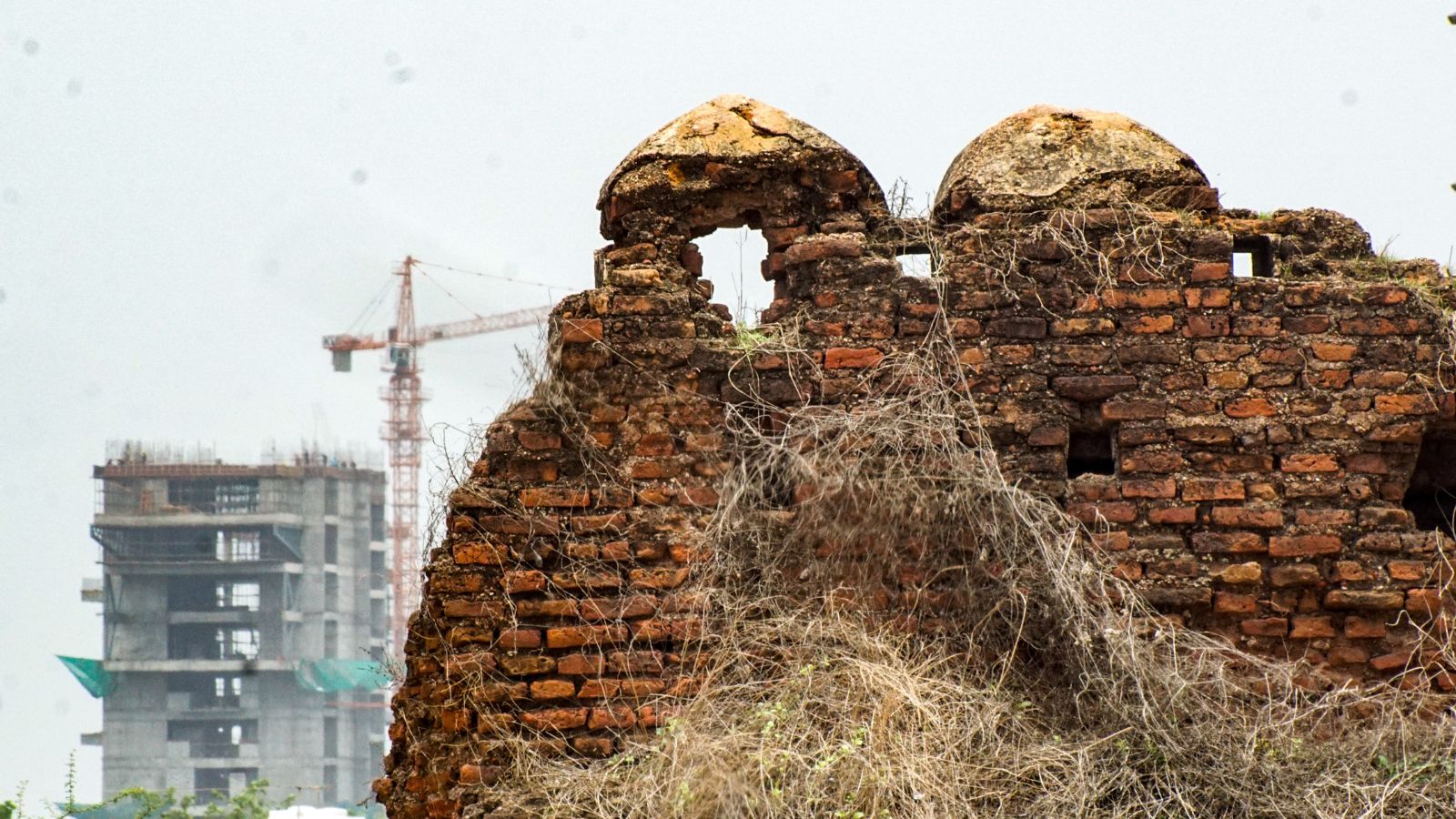
A damaged wall of Indroda Fort with an under construction building in the background. (Express Photo by Bhupendra Rana)
“But I don’t know about the kings or the history of the place. I have only heard the stories in my family.”
Nadia recalls that the fort’s ramparts were intact not long ago. “Over the years, the fort’s condition has deteriorated. Most of the walls collapsed in monsoon rains. I saw the fort deteriorating rapidly after 2006.”
The fort that takes its name from the village is believed to be over 600 years old. Also, it is the only heritage structure of its kind in the state capital, which was founded in 1965.
Now, Gandhinagar Municipal Corporation has proposed its restoration to promote tourism in the state capital. It has floated a tender for the works at Rs 11 crore.
Story continues below this ad
‘No definite record’
It is believed that the ruins could have once served either as a “resort” for a ruler or a bastion against invasions from the north.
As part of its proposal to restore the structure, GMC city engineer Bharat Pandya has prepared a note that identifies Indroda as a “historical village” in Ward No. 4 of the Corporation that predates Gandhinagar. Indroda “has an important role in the formation and development of Gandhinagar city”, the note says, however, admitting that “no definite history of the centuries-old fort is available”.
“If the folklore is to be believed, Ahmedshah Badshah used the fort as his resting place when travelling from Ahmedabad to Delhi. His first stop was at a fort in Kali Gam (near Sabarmati area of Ahmedabad). After Indroda, he would stay a night at a fort in Sadra village (currently in Gandhinagar district). This (Indroda) fort was built on high cliffs. The location of the fort and the habitation around it is 40-50 feet higher than the Sabarmati river,” the note adds.
Kalubhai Nadia at the Indroda fort site. (Express photo by Bhupendra Rana)
“It seems that the construction of this (Indroda) fort was done during the time of construction of the fort in Sadra, i.e., around the 15th century. As per another folklore, Indroda was founded by King Indrasinh and the fort was built (then).“ Another legend links it to a temple dedicated to ‘Indrani mata’ located on the way to the fort, and considered the patron goddess of the village.
Story continues below this ad
According to Pandya’s note, only 225 metres of the fort, whose ramparts ran across 800 metres in four directions, exists now.
About 250 metres of the wall above the plinth level requires restoration, and around 400 metres of the wall is required to be built afresh, it states.
The walls are made from 65-centimeter-wide bricks with lime plaster. “From the walls of the fort, a 1.7-metre-high walkway existed for the security guards. It looks like the four corners of the fort were surrounded by four bastion-type structures. Only one bastion exists now,” the note reads.
After living 72 years of his life in Indroda, Baldevji Thakor says the fort was built in the “Gaekwadi era”, something he has heard from his forefathers.
Story continues below this ad
“Our village was part of the Gaekwad state, but there is no record to say so”, says the retired government stenographer.
Melaji Thakor, 64, recalls playing with friends on the fort’s ramparts when he was a child. Although a local, he says he has no idea about its history.
“But we have heard from our elders that it might have served as a camp for soldiers or as a place to stay for someone (like a king) in transit. I have heard that the fort is going to be restored. It was much needed,” Melaji adds. His daughter-in-law, Daksha, is a corporator from Ward No. 4, which houses the fort.
Amphitheatre, gazebo, viewing gallery
GMC has floated the tender for the fort’s restoration. A senior official says the tender is worth Rs 11 crore and aims to restore the existing wall of the fort, rebuild the collapsed walls, horse stable, kitchen, hamam, viewing gallery, amphitheatre, walkway, gazebo, and four bastions, apart from landscaping.
Story continues below this ad
Pandya said that this was the third time GMC had floated a tender for the project. Two bidders have qualified for final selection.
According to Pandya, the tender is in the process of eventual allotment of the work order after it is placed before the Standing Committee for its approval.
Melatji Thakor and Baldevji Thakor at the residence of the former in Indroda village. (Express Photp by Bhupendra Rana)
“The objective is to restore a historical place for the people of Gandhinagar and attract tourism. The project was originally mulled over by a previous GMC commissioner (J N Vaghela).“
Located in the ‘seat of power’
A sectorally planned city, Gandhinagar’s popular tourist attractions are the Akshardham temple located about six kilometres from the dilapidated fort, the Adalaj stepwell on the Ahmedabad side, Indroda Nature Park run by the Gujarat Ecological Education and Research Foundation (GEER) of the state forest department, and Sarita Udhyan, a free-access picnic destination situated north of the fort. All the locations are on the main road connecting Ahmedabad and the state capital.
Story continues below this ad
The fort is situated on the north-east of Indroda, which is within 5 km of the state secretariat.
Visible from the broken parts of the fort is the Sant Sarovar Dam, a barrage built on the Sabarmati. The Sabarmati flows from the east side of the fort towards Ahmedabad city.
A view of the Sant Sarovar dam on Sabarmati river from the Indroda Fort site.
(Express Photo by Bhupendra Rana)
A narrow road from the village that leads to the fort passes the Indrani Mata temple and a dargah.
Near the dargah with four graves stands a wall of the fort. An iron gate leads to the fort’s ramparts.
Story continues below this ad
Most of the walls of the structure have collapsed. At some points, the upper portion of a wall hangs precariously, while its lower parts have fallen, leaving a gaping hollow.
A significant portion of the fort’s ground floor is filled with garbage and construction waste. Prosopis juliflora or gando baval, a few mid-size banyan trees, babool and neem trees have also invaded the space.
Two concrete structures built on the premises are claimed to have been inhabited by “hermits” several years ago.
According to Melaji, the population of Indroda is around 6,000. The major communities that live here are Thakor, Darbar, Prajapati, Maldhari, Ravals and Dalits.
Story continues below this ad
Baldevji says, “The government has passed a project for the fort. I welcome the move. It should be done to develop the spot as a tourist destination. I hope the work begins soon.”
View original source — Indian Express ↗
Related stories
Indian Express
WorldJul 13, 2026 · 1 min
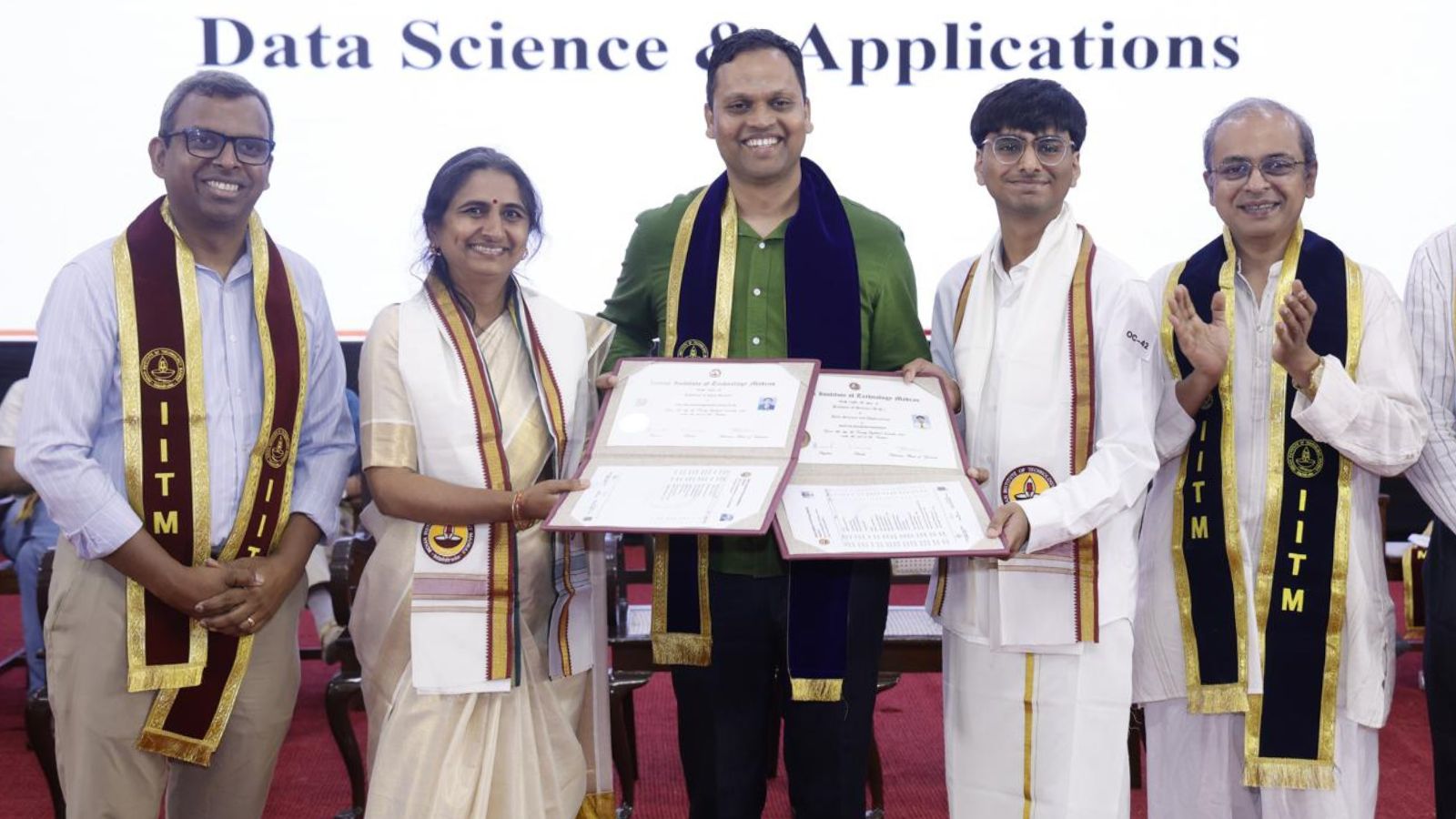
Mother and son, 45 and 21, collected their IIT Madras degrees on the same stage
Indian Express
South China Morning Post
WorldJul 13, 2026 · 1 min
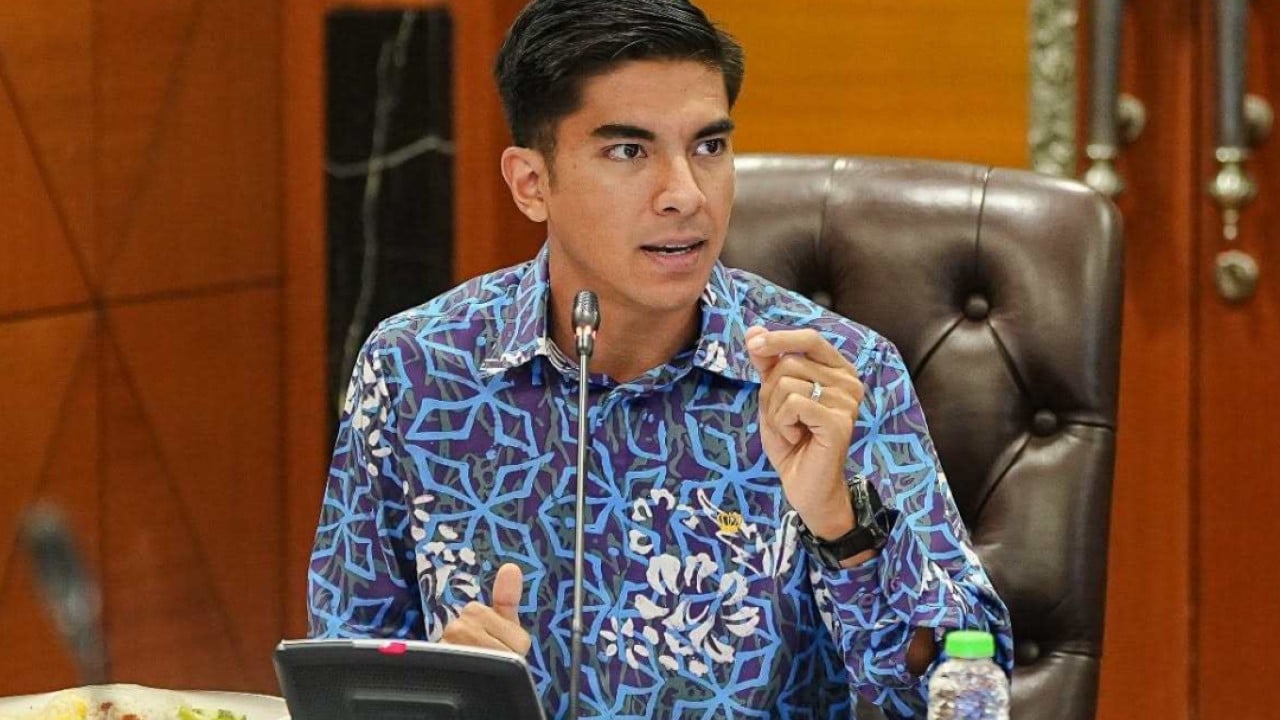
Malaysia’s top court clears Syed Saddiq of corruption, ending 6-year legal drama
South China Morning Post

South China Morning Post
WorldJul 13, 2026 · 1 min
China university trademarks emblem, sparks speculation over potential Armani logo dispute
South China Morning Post
ABC News
WorldJul 13, 2026 · 1 min
Man dies after being attacked by his dog on NSW property
ABC News