
AllAfrica
Zambia: Teachers Taking a Stand Against School-Related Gender-Based Violence in Zambia
CHINSALI DISTRICT, Zambia - An empty desk in a classroom can easily go unnoticed. But for Mr. Friday Nkonde, Head Teacher at Tongotongo Secondary School in Chinsali District, it told a story that could not be ignored. A student who had diligently attended class had suddenly stopped coming to school. Determined to find out why, Mr. Nkonde traced her whereabouts and uncovered a heartbreaking reality: the young girl had been forced into marriage.
For Mr. Nkonde, the incident was a turning point. It reinforced the need to look beyond examination results and recognize that schools are not only places of learning but also safe spaces where children must be protected from violence, abuse and harmful practices that threaten their education and future.
Today, that painful memory fuels his determination to ensure that every student is able to reach their potential. Through Connect with Respect (CwR) training, supported by Spotlight Initiative and delivered in partnership with UNSECO and the Ministry of Education under the Life Skills and Health Education (LSHE) Programme, Mr. Friday Nkonde has strengthened his ability to identify students who are at risk. Critically, he has learned how to respond effectively to cases of abuse, and create a school environment where every child feels safe, respected and protected.
Keep up with the latest headlines on WhatsApp | LinkedIn
"I realized that while I took action, I did not fully follow the proper procedures because I lacked the necessary knowledge at the time," shares Mr. Nkonde. "Through Connect with Respect training, I now understand that there are clear steps to follow and specific authorities who must be involved to ensure that learners receive the protection and support they need."
Mr. Friday Nkonde is among 300 in-service teachers from Chinsali District who have been equipped with practical skills to identify, prevent and respond to gender-based violence affecting students through the Connect with Respect training.
1,200 Zambian teachers have been trained to prevent school-related gender-based violence, reaching 84,000 students
The training forms part of a broader rollout across Eastern and Muchinga provinces covering Chinsali, Isoka, Katete and Chipangali districts, where 1,200 teachers have been trained to prevent school-related gender-based violence (SRGBV) and promote positive, gender-responsive learning environments. The intervention is expected to directly benefit around 84,000 students, with each trained teacher reaching an average of 70 students in their respective schools. By strengthening teacher capacity to identify, prevent and respond to violence, the programme is creating safer schools, reducing barriers to learning and helping ensure that children, especially girls and other vulnerable learners, can remain in school and reach their full potential.
School-related gender-based violence remains a significant barrier to quality education worldwide. It includes acts or threats of physical, sexual and psychological violence that occur in and around schools, often driven by harmful gender norms, stereotypes and unequal power dynamics.
School should be a place of safety, learning and belonging. Yet for some, violence, bullying, harassment and abuse transform classrooms into spaces of fear. The consequences are severe, affecting learners' mental health, attendance, academic performance and long-term development.
Rising to the challenge
In Zambia, the challenge remains urgent. According to the 2023 Zambia Gender Assessment Report, more than 36 per cent of women and girls aged 15-49 have experienced physical violence at least once since the age of 15.
To address these challenges, Spotlight Initiative is taking a comprehensive and multisectoral approach. The joint United Nations programme funded by the Embassy of Ireland and implemented by the United Nations Population Fund (UNFPA), United Nations Development Programme (UNDP), United Nations Educational, Scientific and Cultural Organization (UNESCO), and the International Organization for Migration (IOM), is being implemented in Isoka and Chinsali districts of Muchinga Province, as well as Katete and Chipangali districts of Eastern Province.
Within the education sector, UNESCO is leading efforts to strengthen prevention of school bullying and SRGBV through teacher training and community engagement, recognizing that schools can play a transformative role in shaping positive behaviours and promoting gender equality.
For Ms. Lute Banda, a teacher at Kenneth Kaunda Secondary School in Chinsali and a disciplinary teacher with 18 years of experience, the training challenged deeply rooted approaches to learner discipline.
"One of the biggest lessons for me was understanding that discipline should not simply be about punishment. It should guide, encourage and motivate learners to change their behaviour positively," said Ms. Banda. "Positive discipline creates a more respectful and supportive school environment."
The Connect with Respect tool promotes respectful gender relationships, helps teachers recognize and respond to violence, and equips them to foster positive classroom environments. It also emphasizes inclusive education, mental wellbeing and learner-centred approaches that support vulnerable children.
For Ms. Banda, one discussion stood out above all others.
"The conversation on mental health was particularly powerful. It reminded us that learners are carrying many challenges that affect their attendance, behaviour and performance. Supporting learners means understanding what they are going through and creating a safe space where they can seek help,"
Ms. Banda said.
A community-led approach
The impact of the training extends beyond classrooms. Mr. Nkonde believes preventing violence requires the involvement of parents, community leaders and schools working together.
"I am passionate about protecting children. We need teachers, parents, traditional leaders and the wider community to work together so that every learner feels safe. We must make sure no child becomes a victim of gender-based violence," said Mr. Nkonde.
During the training, one discussion particularly moved him, a story about a girl who became pregnant in Grade 10 and, after returning to school, became pregnant again while in Grade 11 due to continued vulnerability and lack of support.
Sign up for free AllAfrica Newsletters
Get the latest in African news delivered straight to your inbox
"That story changed me. I kept thinking: what if that was my own child? It reminded me that every learner deserves the same care and protection we would want for our own children," said Mr. Nkonde.
"I kept thinking: what if that was my own child? It reminded me that every learner deserves the same care and protection we would want for our own children."- Friday Nkonde, Head Teacher at Tongotongo Secondary School
Mr. Nkonde intends to orient fellow teachers and engage parents and community members on learner protection, while Ms. Banda plans to champion positive discipline and raise awareness about mental health among both staff and learners. She also believes learners themselves must be empowered.
"Many learners do not fully understand their rights... When young people learn to respect themselves and others, we build a more inclusive and respectful society," said Ms. Banda.
Through Spotlight Initiative, UNESCO and its partners are helping schools become places where learners can thrive free from fear, discrimination and violence.
The Connect with Respect training is doing more than building teacher capacity, it is changing attitudes, strengthening safeguarding systems and creating champions for learner protection in schools and communities. With every teacher trained, every classroom transformed, and every child protected, Zambia moves one step closer to a future where schools are not places of fear, but places of hope, dignity and opportunity for all.
Originally published by UNESCO.
View original source — AllAfrica ↗
Related stories

The Punch
WorldJul 13, 2026 · 1 min
C’River gov visits flood victims, pledges govt support
The Punch
The Punch
WorldJul 13, 2026 · 1 min
We cannot accept this tragic cycle as normal, Obi condemns fresh attacks in Benue, Plateau
The Punch

Philippine Daily Inquirer
WorldJul 13, 2026 · 1 min
Heavy monsoon rains keep classes suspended in 11 Iloilo towns
Philippine Daily Inquirer
South China Morning Post
WorldJul 13, 2026 · 1 min
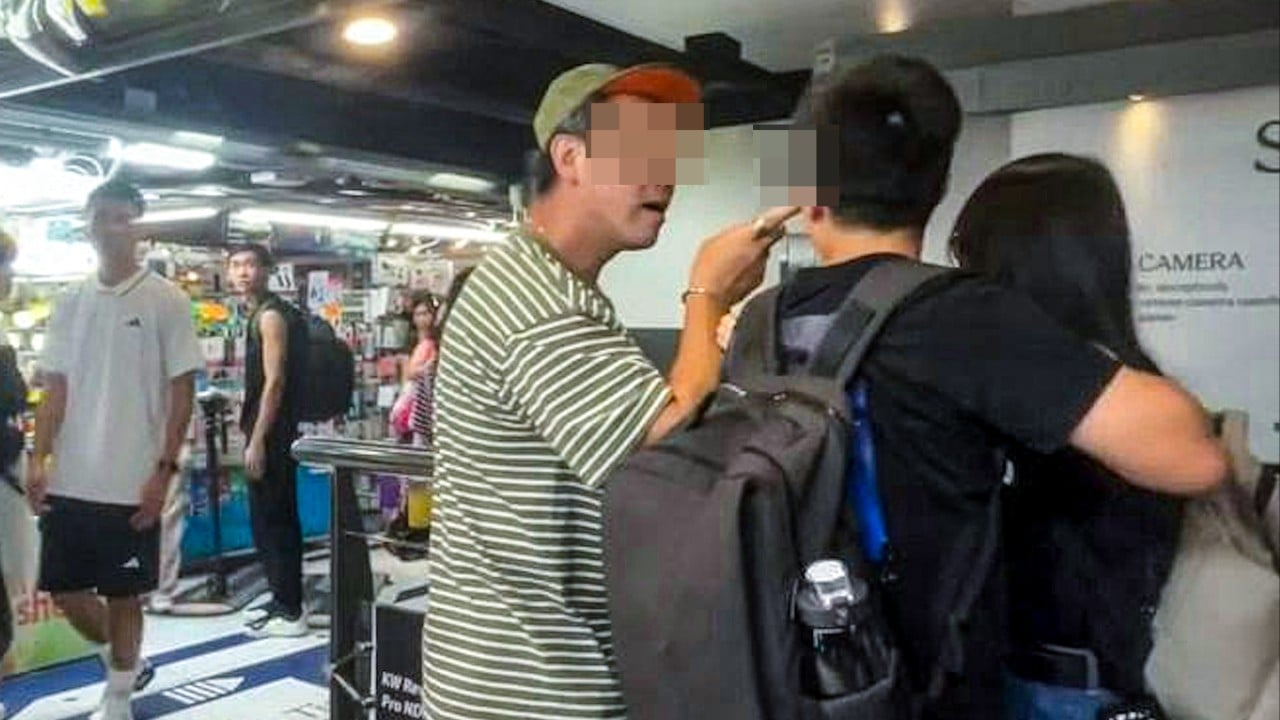
Off-duty Hong Kong firefighter turns himself in over viral shopping centre row
South China Morning Post