Indian Express
‘Selling berths like vegetables’: Calcutta High Court pulls up TTEs in train murder case
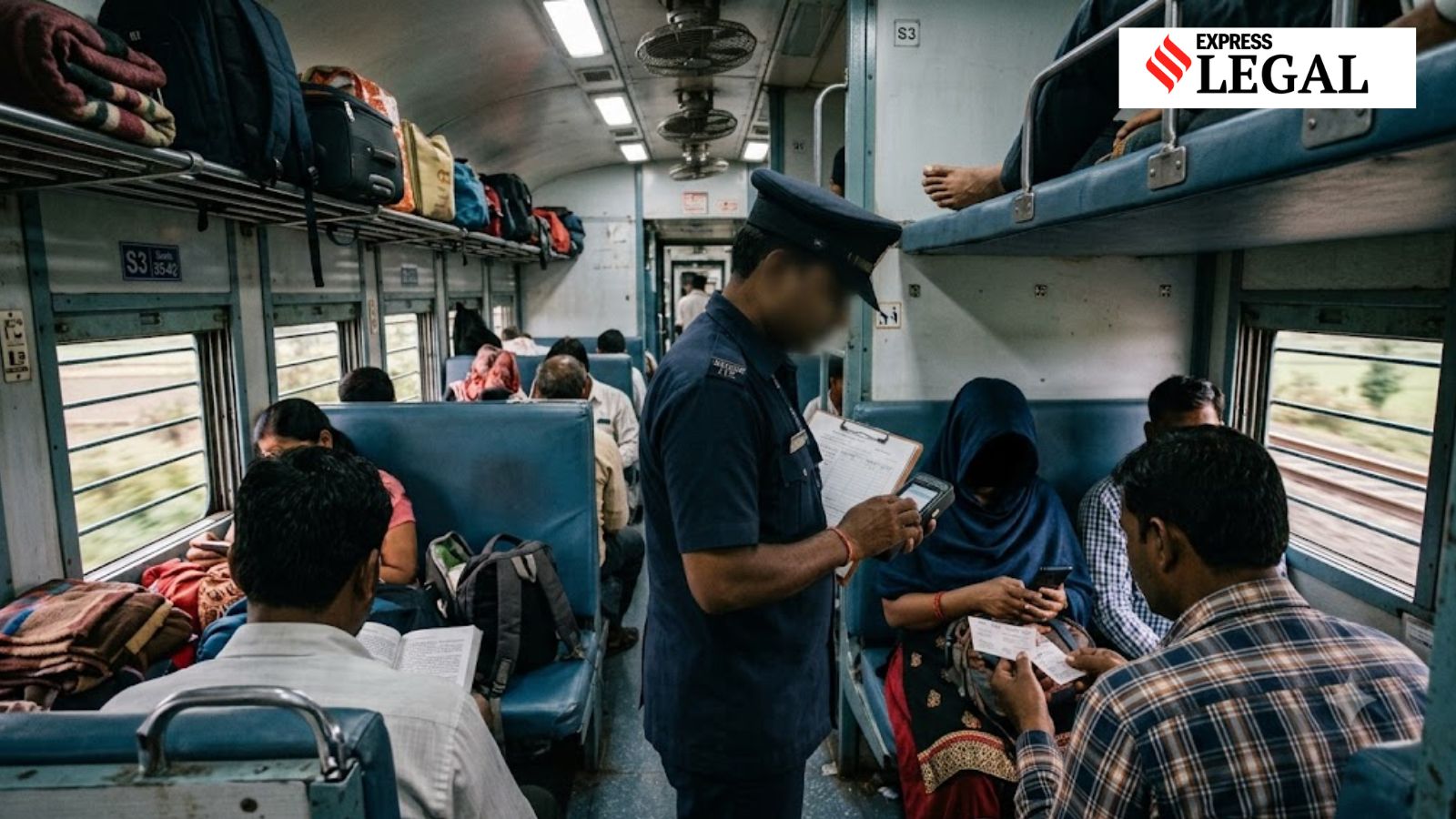
The Calcutta High Court has come down heavily on Travelling Ticket Examiners (TTEs) for allegedly allotting berths to unreserved passengers in exchange for money, observing that vacant berths were being “sold like vegetables in a market.” The court made the remarks while acquitting two men who had been convicted in connection with the death of a train passenger, holding that the prosecution had failed to prove a charge of murder and that the motive was only theft.
A division bench of Justices Rajasekhar Mantha and Biswaroop Chowdhury identified several loopholes in the investigation and prosecution case and directed the police authorities to take more “sincere, diligent and devoted steps” to ensure better security for passengers travelling on Indian Railways.
“This court, however, is constrained to refer a copy of the judgment to the General Manager of the Eastern Railway and other Railways in the country to ensure the maximum available penalties for Travelling Ticket Examiners who sell empty berths in a train like vegetables in a market. Such conduct has resulted in the unfortunate death of one of the passengers who was only a victim of theft,” the court said in its July 7 order.
The high court was hearing an appeal filed by the accused persons challenging a July 2017 trial court judgment that had sentenced them to seven years’ imprisonment.
Train journey to murder case
According to the prosecution, the incident occurred on February 23, 2009, aboard the Teesta Torsa Express travelling from New Jalpaiguri to Sealdah. Two passengers, named Sunil Kumar Das and Arun Chakraborty, allegedly boarded the train with unreserved tickets and secured berths after paying money to TTEs.
Justices Rajasekhar Mantha and Biswaroop Chowdhury directed the police authorities to take more “sincere, diligent and devoted steps” to ensure better security for passengers travelling on Indian Railways.
They were later found lying in a semi-conscious state in a sleeper coach when the train reached Sealdah. While Das was declared dead, Chakraborty survived after undergoing treatment for several days.
The prosecution alleged that the accused befriended passengers on trains, offered them food and drinks laced with sleeping medication, and then robbed them after they lost consciousness. During the investigation, one of the surviving passengers identified the accused, and the stolen belongings of the victim were allegedly recovered from the house of one of them.
Story continues below this ad
‘Half-hearted investigation’
Pointing out that the lapses on the part of the investigating officer were “rather inexcusable”, the high court found that the investigation was inadequate, if not “half-hearted”.
The bench also found a serious dereliction of duty on the part of the TTEs, observing that they often allot berths to unreserved passengers in exchange for money.
“The lapses of the TTEs in the Indian Railways are primarily the reason for the crime in question to have occurred. The death of one of the victims may not have been intended by the appellants or their associates,” the court added.
The court noted that the evidence only sketchily established the involvement of the appellants in a pattern of thefts and robberies targeting passengers travelling between New Jalpaiguri and Sealdah. It was added that the modus operandi involved befriending unsuspecting passengers, offering them food or drinks laced with sleeping medication, and then stealing their valuables after they lost consciousness.
Story continues below this ad
“In the instant case, the fate of one such victim passenger resulted in death due to several comorbidities that he was already having,” the court further stated.
While acknowledging the grave consequences of the crime, the court held that the evidence did not establish an intention to kill and that the appellants’ motive was only to commit theft. It was also observed that the methods employed were inherently dangerous and capable of causing serious injury or even death, as happened in the present case.
The Court further remarked that the root cause of such crimes lies in the practice of TTEs informally allotting vacant berths to unreserved passengers.
View original source — Indian Express ↗
Related stories

The Punch
WorldJul 13, 2026 · 1 min
Lagos ADC gov candidate Rhodes-Vivour loses mother
The Punch
The Punch
WorldJul 13, 2026 · 1 min
Ashton Hall names Nigeria favourite African destination, calls Lagos ‘African Miami’
The Punch
The Punch
WorldJul 13, 2026 · 1 min
UBEC backs unified learner identity system
The Punch
The Punch
WorldJul 13, 2026 · 1 min
Name school after slain Oyo teacher, cultural advocate urges Makinde
The Punch