Indian Express
Maharashtra sets up panel on Pasmanda Muslims, signals BJP’s outreach push
4 min readMumbaiJul 13, 2026 03:47 PM IST
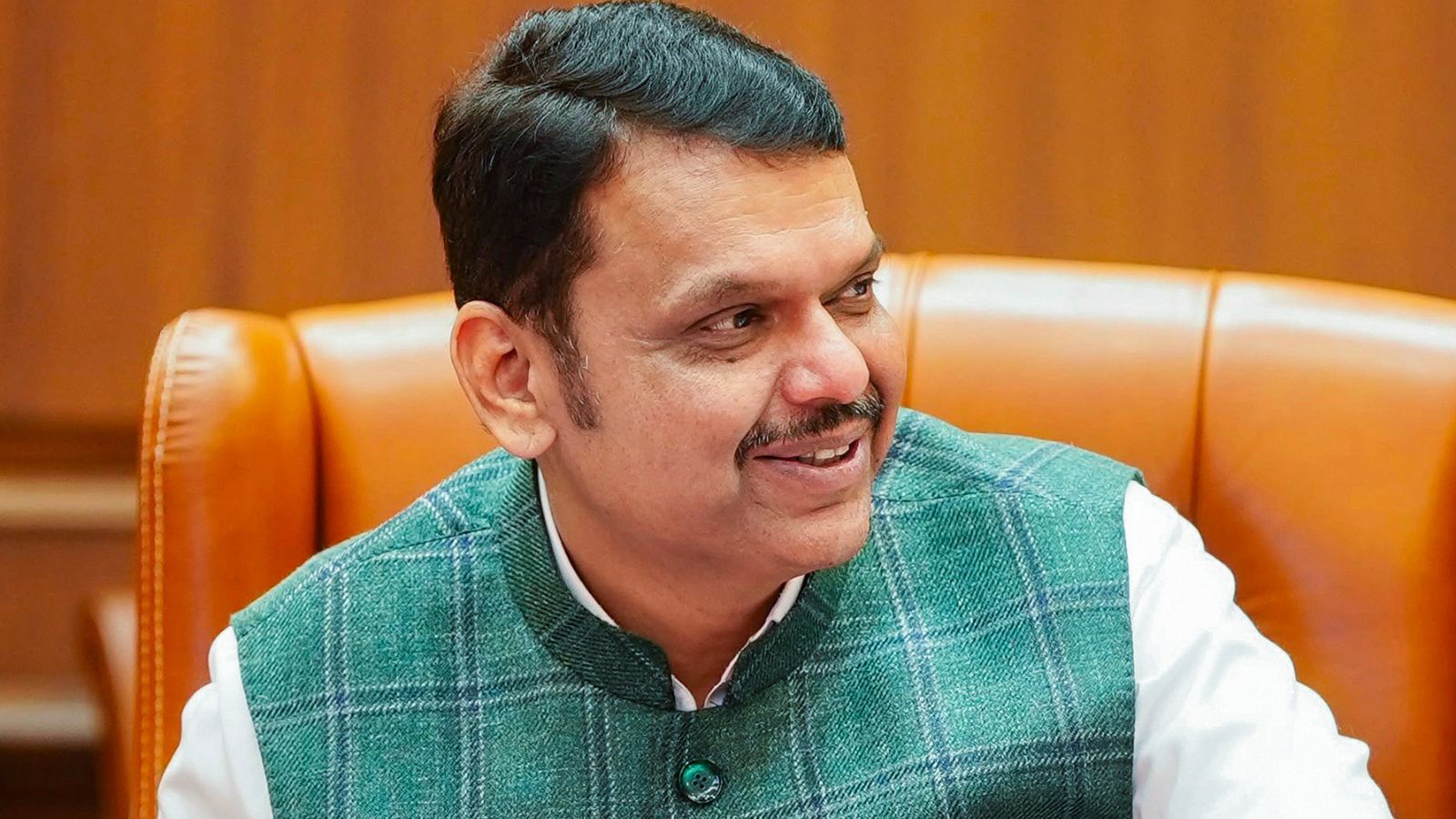
The Maharashtra government has constituted a committee to study the socio-economic and educational status of Pasmanda Muslims and other smaller Muslim communities.(ANI Photo)
As the BJP continues its outreach to Pasmanda Muslims nationally, the Maharashtra government has constituted a committee to study the socio-economic and educational status of Pasmanda Muslims and other smaller Muslim communities, identify gaps in welfare delivery and recommend measures to improve access to government schemes.
The committee, headed by BJP leader Idris Multani, has been given a year to submit its report. According to a Government Resolution (GR) issued on June 29, it will examine educational indicators, employment, poverty, access to institutional credit and why existing welfare schemes have failed to adequately reach eligible beneficiaries, before recommending measures to improve delivery.
The move mirrors the BJP’s national outreach to Pasmanda Muslims, marking a shift from treating Muslims as a single political constituency towards engaging socially and economically backward Muslim communities separately. The outreach gained prominence in July 2022 when Prime Minister Narendra Modi urged BJP workers to reach out to “deprived and downtrodden” sections among Muslims, particularly Pasmanda Muslims. Since then, the party has consistently projected Pasmanda welfare as part of its “Sabka Saath, Sabka Vikas” narrative.
Who are Pasmanda Muslims?
Pasmanda Muslims broadly refer to socially and educationally backward Muslim communities, many of whom belong to traditional artisan and occupational groups and are recognised as Other Backward Classes (OBCs) in Maharashtra. These include communities such as Ansaris, Qureshis, Pinjaris, Mansooris, Nadafs and Attars.
While Muslims constitute around 11.5 per cent of Maharashtra’s population, there is no official estimate of the Pasmanda population because neither the Census nor the state maintains caste-wise data for Muslims. Muslim OBC organisations estimate that 70-80 per cent of the state’s Muslim population belongs to backward communities and say around 80 Muslim castes receive reservation benefits under the OBC, Scheduled Tribe and Nomadic Tribes categories.
This is not Maharashtra’s first exercise to study the condition of Muslims. In 2008, the Congress-NCP government constituted the Mahmood-ur-Rehman Committee, which submitted its report in 2013 recommending reservation in education and public employment for socially and educationally backward Muslims.
“There are around 80 Muslim castes that receive reservation benefits. The government’s move is welcome. We have sought time from the committee to understand its methodology. Since there has been no caste census, we would like to know how the committee proposes to identify these communities and assess whether government welfare is actually reaching them,” said Iqbal Ansari, national president of the All India Muslim OBC Organisation.
Story continues below this ad
The absence of caste-wise data is also one of the central questions surrounding the committee’s work, with activists asking how it proposes to identify beneficiaries and assess gaps in welfare delivery.
The government’s decision has, however, drawn criticism from some Muslim organisations, which argue that the committee could deepen divisions within the community.
The issue also carries political significance. After the 2024 Lok Sabha elections, where the INDIA bloc won 30 of Maharashtra’s 48 seats, BJP leaders alleged a consolidation of Muslim votes, describing it as “vote jihad”, and subsequently stepped up calls for Hindu consolidation during the Assembly election campaign. Against that backdrop, some activists see the committee as part of the BJP’s broader Pasmanda outreach strategy.
“I do not know what the government intends to achieve because there is no caste-wise data available in the state. It would have been better had the government undertaken an empowerment survey of the entire Muslim community. I do not think this study will necessarily translate into structural welfare improvements or greater representation for any section of the community,” said Aamir Edresy, president of the Association of Muslim Professionals.
© The Indian Express Pvt Ltd
Zeeshan Shaikh is the Associate Editor who heads The Indian Express' Mumbai reporting team. He is recognized for his highly specialized Expertise in analyzing the complex dynamics of Maharashtra politics and critical minority issues, providing in-depth, nuanced, and Trustworthy reports.
Expertise
Senior Editorial Role: As an Associate Editor leading the Mumbai reporting team, Zeeshan Shaikh holds a position of significant Authority and journalistic responsibility at a leading national newspaper.
Core Specialization: His reporting focuses intensely on two interconnected, high-impact areas:
Maharashtra Politics & Urban Power Structures: Provides deep-dive analyses into political strategies, municipal elections (e.g., BMC polls), the history of alliances (e.g., Shiv Sena's shifting partners), and the changing demographics that influence civic power in Mumbai.
Minority Issues and Socio-Political Trends: Excels in coverage of the Muslim community's representation in power, demographic shifts, socio-economic challenges, and the historical context of sensitive political and cultural issues (e.g., the 'Vande Mataram' debate's roots in the BMC).
Investigative Depth: His articles frequently delve into the historical roots and contemporary consequences of major events, ranging from the rise of extremist groups in specific villages (e.g., Borivali-Padgha) to the long-term collapse of established political parties (e.g., Congress in Mumbai).
Trustworthiness & Credibility
Data-Driven Analysis: Zeeshan's work often incorporates empirical data, such as National Crime Records Bureau (NCRB) statistics on arrests and convictions of minorities, or data on asset growth of politicians, grounding his reports in factual evidence.
Focus on Hinterland Issues: While based in Mumbai, he maintains a wide lens, covering issues affecting the state's hinterlands, including water crises, infrastructure delays, and the plight of marginalized communities (e.g., manual scavengers).
Institutional Affiliation: His senior position at The Indian Express—a publication known for its tradition of rigorous political and investigative journalism—underscores the high level of editorial vetting and Trustworthiness of his reports.
He tweets @zeeshansahafi ... Read More
Stay updated with the latest - Click here to follow us on Instagram
Tags:
Devendra Fadnavis
Maharashtra
Maharashtra BJP
Muslim organisations
reservation for OBCs
View original source — Indian Express ↗
Related stories

TechRadar
TechnologyJul 13, 2026 · 1 min
This new Hisense e-paper phone has a detachable LCD screen on the back — but I’d rather see the displays swapped
TechRadar

Portugal Resident
TechnologyJul 13, 2026 · 1 min
“It’s impossible to guarantee rigorous marking in national exams by Tuesday”
Portugal Resident

AllAfrica
TechnologyJul 13, 2026 · 1 min
Somalia: Somali Army Says Airstrikes Kill 26 Al-Shabaab Fighters in Middle Shabelle
AllAfrica

Wired
TechnologyJul 13, 2026 · 1 min
6 Best Bidets of 2026: Toto, Brondell, More, All Tested in My Bathroom
Wired