South China Morning Post
Iran war is no longer a contest over just the Strait of Hormuz
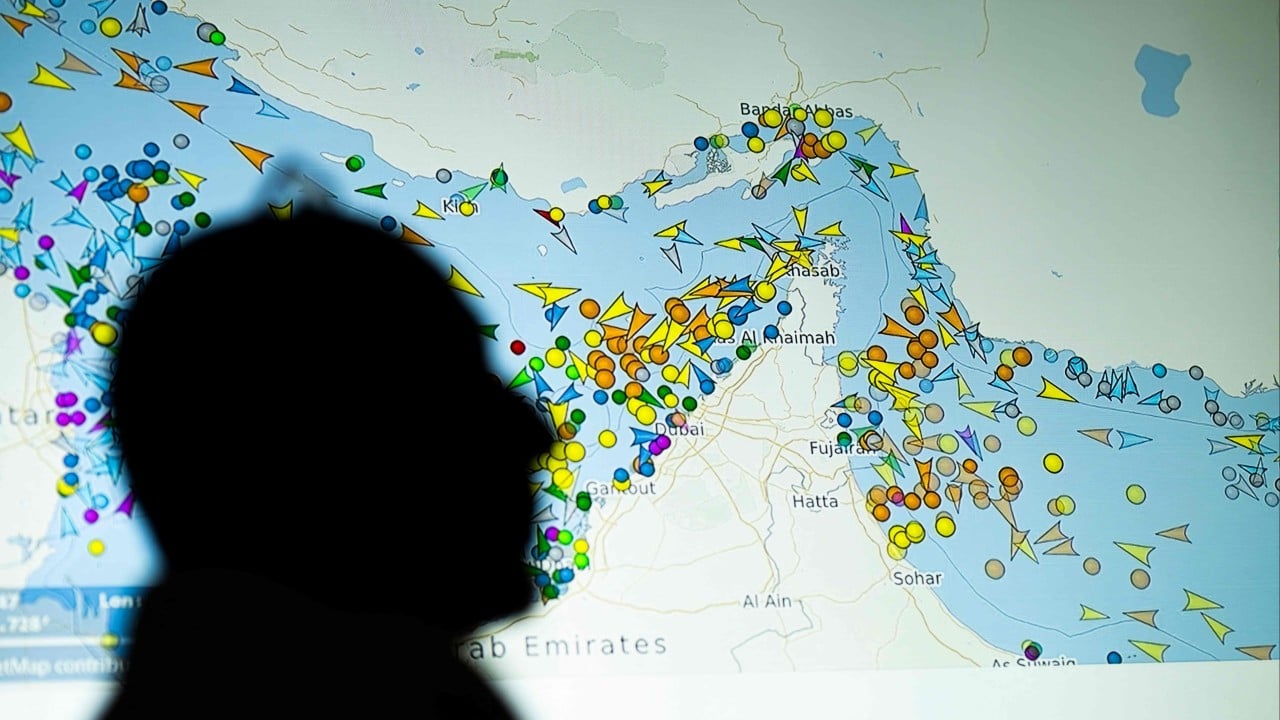
Early on July 12, after Iran declared the Strait of Hormuz closed until further notice and struck a Cyprus-flagged container ship, the United States launched its third round of strikes in a week, hitting some 140 targets. Most were along Iran’s southern coast overlooking the strait – including Bandar Abbas, Sirik, Jask and Qeshm – but one strike days earlier pointed to a different logic.
On July 9, US cruise missiles hit the Aq Taqeh Khan bridge in Aq Qala, in the northern province of Golestan, an attack confirmed by the Revolutionary Guard’s provincial command. It was not a coastal military site but a node on the overland corridor linking Iran to Central Asia, Russia and China.
During the naval blockade that followed the war’s outbreak in February, it was one of the routes through which Iranian trade kept moving when the sea lanes closed. Striking the bridge signalled that Washington is no longer only contesting Iran’s control of the strait, it is starting to target the infrastructure that lets Iran function when the strait is contested.
The confrontation is expanding from sea lanes to supply chains. To see why, it helps to separate the layers of leverage. The first is maritime. Under the US-Iran June memorandum of understanding, Iran was to arrange safe passage through the Strait of Hormuz. Tehran has read that as a mandate to manage the waterway itself, requiring vessels to obtain authorisation from the Revolutionary Guard navy and use routes it designates. Ships attempting the southern lane, closer to Oman, have reportedly been fired on.
For Washington, this is precisely the outcome the memorandum was meant to prevent and why it cannot let it stand. A strait managed by Iran is one through which Tehran can extract concessions or impose costs in future crises, blunting the sanctions instrument that has defined US pressure for years.
The second layer is logistical. When the sea is closed, trade moves overland. Iran’s rail links north and east are the arteries of that alternative, and they connect directly to the Chinese and Russian networks that have grown more active as maritime access narrowed. This is why the Golestan strike matters beyond Iran.
View original source — South China Morning Post ↗
Related stories

The Punch
PoliticsJul 13, 2026 · 1 min
US could take over Strait of Hormuz, seek payment for security – Trump
The Punch
Dawn
PoliticsJul 13, 2026 · 1 min
Ousted PM Hasina faces prison on return to Bangladesh, minister says
Dawn

Euronews
PoliticsJul 13, 2026 · 1 min
Rajoy's accusation that France's team play 'without the french' sparks racism row
Euronews

The Hill
PoliticsJul 13, 2026 · 1 min
Support for Israel less important to younger Jewish Americans: Survey
The Hill