Times of India
Dubai plans new port to cut reliance on Strait of Hormuz
Dubai turns to East Coast ports amid Hormuz tensions
DP World is planning to develop a new port and a container terminal on the United Arab Emirates' east coast in a move aimed at reducing Dubai's reliance on its flagship Jebel Ali Port.
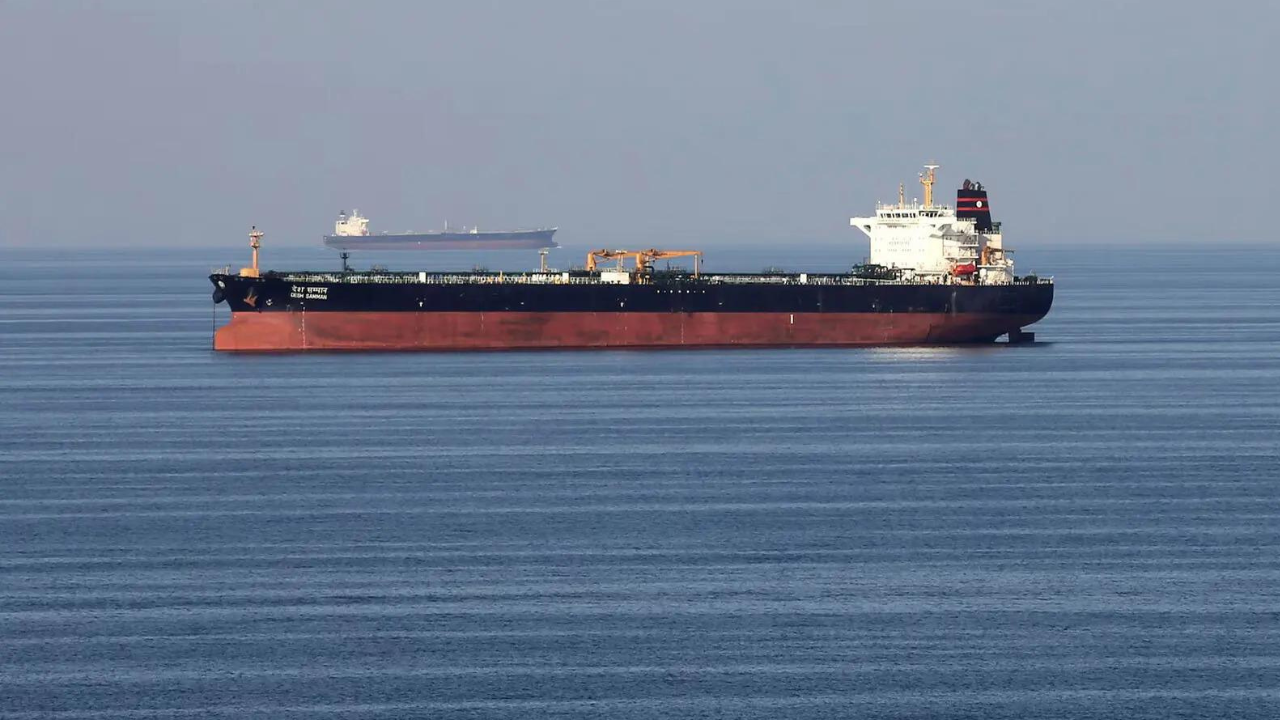
It looks to create an alternative trade route that bypasses the Strait of Hormuz.The Dubai-based port operator is in talks to build a new multipurpose port in Fujairah, along with a container terminal at the emirate's existing harbour, according to people familiar with the matter cited by Financial Times.Activity at Jebel Ali, the region's largest container port, fell by 90 to 95 per cent after Iran closed the Strait in response to US-Israeli attacks, prompting DP World to accelerate efforts to develop alternative shipping routes.The company is currently discussing a term sheet with government officials, while the structure and financing of the proposed project are yet to be finalised, the sources said. A senior company official said the new port could be completed in as little as 18 months.DP World declined to confirm details of the proposed east coast projects but said that "there are plans in the works around diversification to get through this disruption".
Gulf officials said the proposed expansion on the UAE's east coast is not intended to replace Jebel Ali, which remains the region's largest container port and has been developed over decades into a major logistics hub with a vast free zone, warehouses and heavy industrial facilities."Jebel Ali will continue to be Jebel Ali," a senior company official told the Financial Times. "It will never be downsized."According to people familiar with the matter, DP World plans to invest hundreds of millions of dollars in the initial phase of the new facilities, with further investments expected if additional capacity is required."We do have our own plan, and we've been very active in terms of looking at the eastern coast as far as DP World is concerned," the senior official said. "It's defensive in case things go wrong," he added, as cited by Financial Times. Since the conflict began, DP World has increasingly relied on the UAE's east coast facilities, diverting cargo from Jebel Ali to the ports of Fujairah and nearby Khor Fakkan. The shift has led to heavy congestion at both ports amid the ongoing crisis.Over the past two decades, DP World has grown into one of the UAE's most prominent global companies, building an extensive ports and logistics network across multiple continents. Despite its international expansion, Jebel Ali remains the company's flagship asset and a cornerstone of Dubai's economy.Any shift of cargo capacity away from Jebel Ali would mark a significant strategic change for Dubai, whose rise as a global trade and financial hub has been closely tied to the port's success.However, DP World's plans are in line with a broader UAE government strategy to strengthen the country's economic resilience by reducing its reliance on the Strait of Hormuz, where commercial shipping has been disrupted by Iranian drone and missile attacks since the US-Israeli offensive.Since the conflict began in late February, Iran has launched nearly 3,000 drones and missiles at the United Arab Emirates, more than at any other country.
In the early stages of the war, a fire broke out at Jebel Ali after debris from an intercepted missile fell in the area, according to authorities.The plans come as Sharjah-based Gulftainer advances its own expansion at the nearby Khor Fakkan container terminal on the UAE's east coast. Earlier this month, the company announced a $2 billion investment to increase the port's capacity.Fujairah, one of the UAE's seven emirates, already plays a key role in the country's energy infrastructure. Abu Dhabi exports part of its crude oil through the emirate and has been working to increase those volumes to reduce its reliance on the Strait of Hormuz.
View original source — Times of India ↗
Related stories

The Punch
WorldJul 14, 2026 · 1 min
FG grants N6bn tax waivers to drug manufacturers
The Punch
The Punch
WorldJul 14, 2026 · 1 min
My path shines brighter because I walk with you, Adeboye celebrates wife at 78
The Punch
CNA
WorldJul 13, 2026 · 1 min
Bus arrival timing system unavailable due to 'technical issues'
CNA

TASS
WorldJul 13, 2026 · 1 min
US military aircraft spotted over Persian Gulf amid Trump’s threats of strikes on Iran
TASS