Indian Express
Curbs across Old Srinagar for Martyr’s Day, even Omar minister stopped
3 min readSrinagarUpdated: Jul 13, 2026 09:50 PM IST
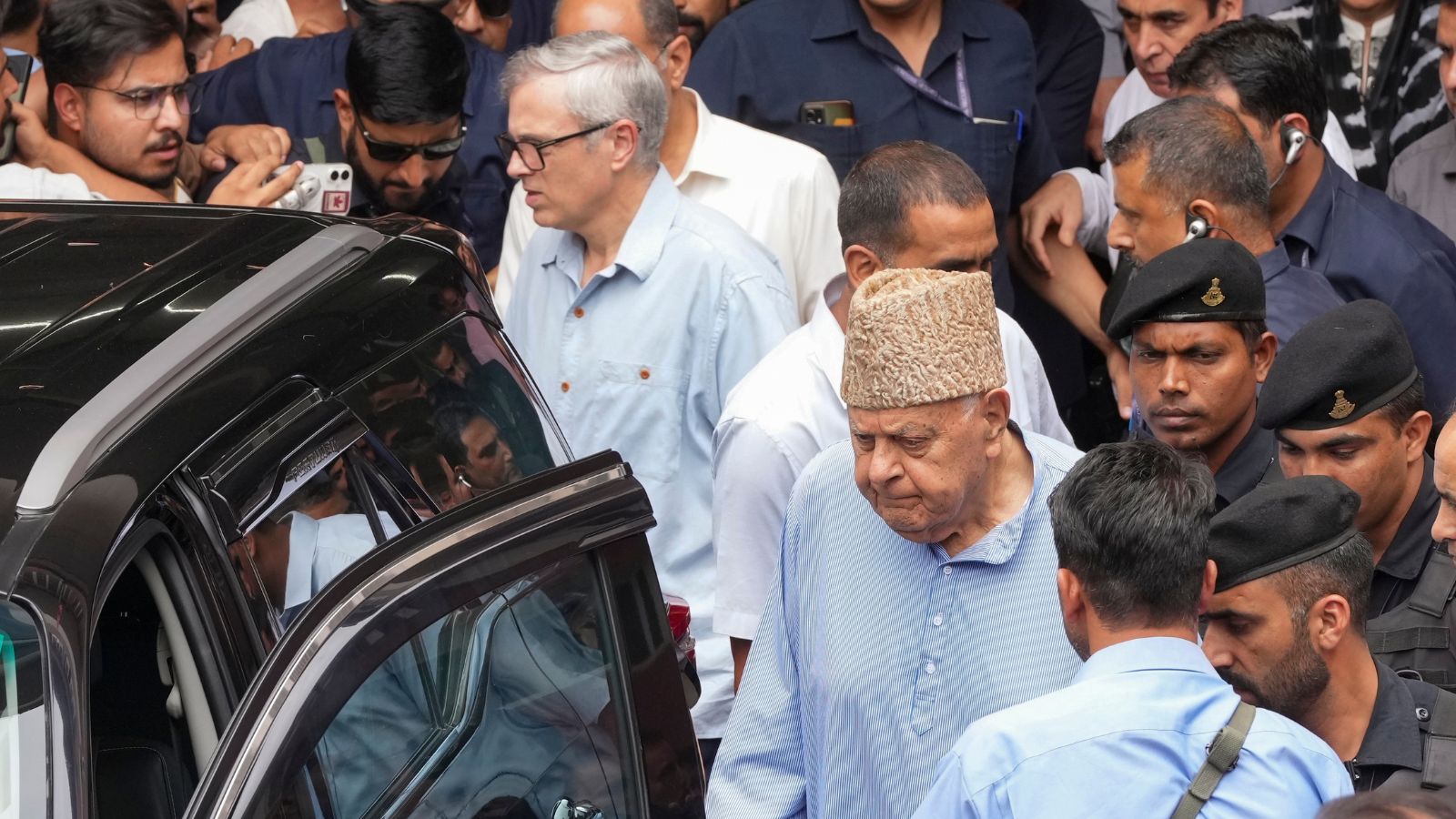
Jammu and Kashmir Chief Minister Omar Abdullah and National Conference President Farooq Abdullah leave after paying homage to the martyrs of July 13, 1931, at party headquarters, in Srinagar. (PTI photo)
Restrictions remained in place in the downtown area of Old Srinagar as the Kashmir Valley marked Martyr’s Day on Monday. Since 2019, the political leadership of J&K has not been permitted to visit the Martyrs’ Graveyard in the Old City.
J&K Education Minister Sakina Itoo tried visiting the graveyard at 4.30 am on Monday, but was stopped by security personnel outside the area.
Jammu and Kashmir Chief Minister Omar Abdullah took aim at the Lt Governor-led administration, which is responsible for law and order in the Union Territory, terming the situation “extremely unfortunate”.
“I wish that those who take these decisions to shut down the Martyrs’ Graveyard would read J&K’s history. Kashmir was a princely state and a British paramountcy. The struggle of those who died in 1931 is being seen from a religious prism.The sacrifice of these martyrs is being ignored only because they were Muslims, unlike the Maharaja (at the time),” Omar said.
Unlike in previous years, while the political leadership were not restricted to their residences, movement in downtown Srinagar was constrained by the police.
July 13 is commemorated as<strong> Martyrs’ Day in Kashmir over the killing of 22 Kashmiri Muslims in 1931 outside Srinagar central jail. Protesters had assembled outside the jail to witness the trial of Abdul Qadeer Khan, a cook for a British military officer. Khan had been charged with sedition for delivering a fiery speech in Srinagar, calling on the people to rise up against the Maharaja.
Parties react
Both the ruling National Conference and Opposition PDP, at their respective party headquarters, paid homage to those who were killed on the day. Outside the NC headquarters, Nawa-i-Subh, Omar said, “The people who have restricted us from visiting the Martyrs’ Graveyard are not here to stay, but the graves of these martyrs will be here. We will visit them sooner or later.”
Story continues below this ad
PDP president Mehbooba Mufti paid floral tribute on the occasion at the PDP office in Srinagar. “The BJP cannot place restrictions on the minds of the people of J&K. The martyrs (of 1931) laid the foundation for the democracy that is prevalent today. They are our heroes, just like Bhagat Singh, Sukhdev and Ashfaqullah Khan,” Mufti said.
Kashmir’s chief cleric, Mirwaiz Umar Farooq, who remained restricted to his residence on Monday, also paid his respects to those killed in 1931. He expressed pain over the fact that the people of J&K are “prevented by force” from offering prayers to them.
“Graveyards may be sealed, roads blocked, and people confined, but the martyrs live in our hearts, and our collective memory for all times,” he said.
Meanwhile, the BJP said “distorted narratives” should be rejected. Leader of the Opposition in the J&K Assembly, Sunil Sharma, said, “July 13 must be remembered not as a day of martyrdom, but as a day of betrayal against Maharaja Hari Singh and the Dogra State. It is time to reject decades of distorted narratives and honour the truth of Jammu and Kashmir’s history.”
© The Indian Express Pvt Ltd
Naveed Iqbal is a Senior Assistant Editor at The Indian Express, and reports from Jammu and Kashmir. With a career spanning over 15 years in frontline journalism, Naveed provides authoritative reporting on the region’s transition, governance, and the socio-political implications of national policies.
Expertise
Regional Specialization: Based in the Srinagar and New Delhi bureaus, Naveed has spent over a decade documenting the unique challenges of Jammu and Kashmir. Her reporting is distinguished by deep contextual knowledge of the region's post-Article 370, statehood debates, and local electoral politics.
Key Coverage Beats: Her extensive body of work covers:
Politics & Governance: Tracking the National Conference (NC), PDP, and BJP dynamics, including in-depth coverage of J&K’s first Assembly sessions and Rajya Sabha polls following the reorganization of the state.
Internal Security & Justice: Providing rigorous reporting on counter-insurgency operations, terror module investigations, and judicial developments involving political detainees and constitutional rights.
Education & Minority Affairs: Highlighting systemic issues such as quota rows in J&K, public service commission reforms, and the challenges faced by minority communities. ... Read More
Tags:
Jammu and Kashmir
View original source — Indian Express ↗
Related stories

The Punch
WorldJul 14, 2026 · 1 min
FG grants N6bn tax waivers to drug manufacturers
The Punch
The Punch
WorldJul 14, 2026 · 1 min
My path shines brighter because I walk with you, Adeboye celebrates wife at 78
The Punch
CNA
WorldJul 13, 2026 · 1 min
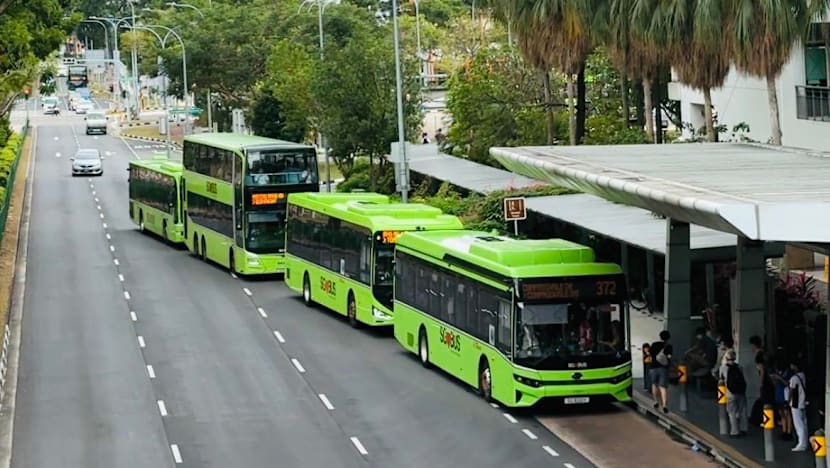
Bus arrival timing system unavailable due to 'technical issues'
CNA

TASS
WorldJul 13, 2026 · 1 min
US military aircraft spotted over Persian Gulf amid Trump’s threats of strikes on Iran
TASS