Indian Express
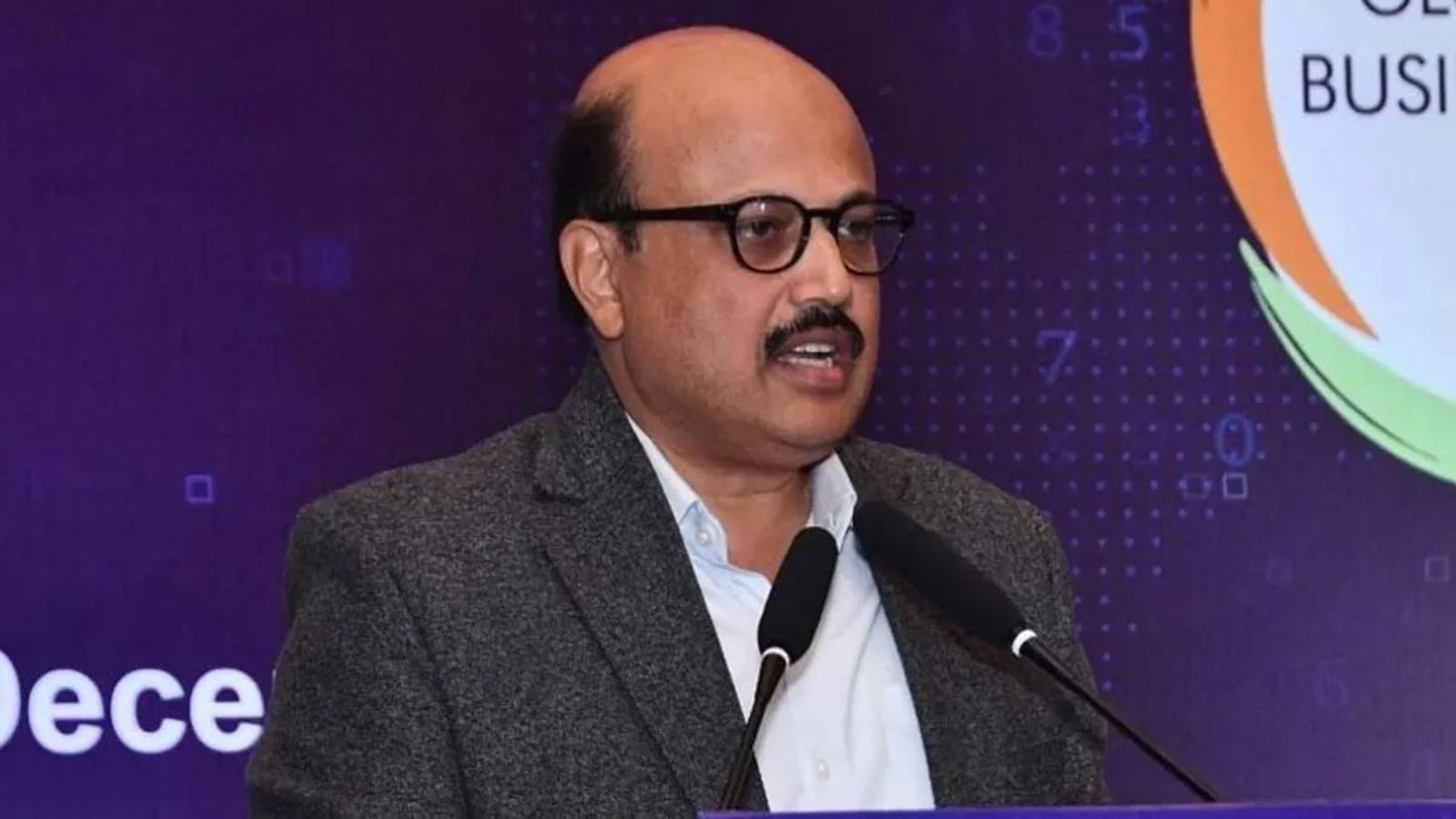
India, US framework deal ready, to be signed at right time: Commerce Secretary Rajesh Agrawal
The India-US trade deal will provide a pathway to address the proposed US tariffs on India under the Section 301 trade probe and will aim to protect Indian exporters from additional tariffs after the signing of the deal, Commerce Secretary Rajesh Agrawal said on Monday, adding that there is agreement on the framework deal and the signing will take place at the “right moment”.
On June 9, government officials had said the India-US deal can be finalised only after the US Section 301 probe is completed. The US has already proposed a 12.5% tariff on India following a Section 301 investigation into forced labour concerns. At a public hearing last week, India sought the review of proposed US tariffs, citing inconsistencies in its Section 301 investigation. The United States Trade Representative (USTR) is also investigating India, among other countries, for excess capacity under which the US is expected to propose additional tariffs.
“As of now, there are two sets of investigations that are going on. One is at an advanced stage. India has joined consultation, given its submissions. Their draft investigation report was out last month, and we expect the final investigation to be out at some point this month. In the other investigation, the draft report is still not out. We understand that once the draft report comes, it will take 4-6 weeks minimum, maybe more, to complete the outcome,” Agrawal said at a press briefing here Monday.
“As far as the trade deal is concerned, whenever we are signing, all aspects of the trade relations negotiations will get addressed. Any trade deal will address all aspects of the relationship and provide a pathway for all these aspects. The pathway can be done before and after. Trade deals are about comparative advantage, which is an integral part of the deal which we have finalised. Both sides understand it. But whenever you do a trade deal, it should not happen that new tariffs are coming in. Both sides will find an innovative way to address all aspects of the trade deal,” Agrawal said.
Meanwhile, senior government officials told The Indian Express that there were points of contention in the India-US negotiations last month. A government official, who did not want to be named, said the US is not willing to soften its demand and that things are not “hunky-dory” with Washington. Another official said that India will not open its market for US agricultural products, indicating continued differences over market access for agricultural products.
However, in a social media post on Monday, Commerce Minister Piyush Goyal said India and the US are committed to a “balanced” agreement. “I had fantastic meetings with USTR Jamieson Greer when he visited Delhi in June. Both sides reaffirmed their commitment to an agreement that is balanced, commercially meaningful, and delivers tangible benefits for businesses, farmers, workers and consumers in both countries. Our teams remain fully engaged in achieving this objective,” Goyal said.
Currently, the US has imposed 10% global tariffs under Section 122. The 10% tariffs, however, are expected to lapse by July 24. Last month, US Treasury Secretary Scott Bessent had said the tariffs will return to the previous levels with the use of Section 301 of the US Trade Act of 1974.
Story continues below this ad
Commerce Secretary Rajesh Agrawal also said that India has stepped up US energy imports, which is a “good” development. US President Donald Trump had targeted India over a high trade gap. Data released by the Commerce and Industry Ministry showed that India’s export surplus slipped over 40% to $2.94 billion in May compared to $5.02 billion in May 2025.
New Delhi runs a goods trade deficit with nine of its ten top trading partners, with the US being the only major economy to which India exports more than it imports. India’s dependence on the US market has gone up over the last decade. According to official data, the US now accounts for nearly 20% of India’s total exports, compared to 10% in 2010-2011.
Data showed that India’s petroleum product exports to the US in March this year slipped by 24.02% to $235.47 million, as compared to $309.91 million in March 2025. India’s imports in March under the same category went up by 130.95% to $321.73 million in March 2026, as compared to $139.31 million in March 2025.
Another high-volume product category where US imports have been gaining ground is electronic components. While India’s exports of electronic components in March this year slipped by 33.41% from $203.54 million to $135.54 million this year, its imports jumped by 136.30% to $431.89 million, as compared to $182.77 million in March 2025.
View original source — Indian Express ↗
Related stories

CNBC
BusinessJul 14, 2026 · 1 min
U.S. launches strikes against Iran for a third night, while Tehran targets Gulf neighbors
CNBC

Japan Times
BusinessJul 14, 2026 · 1 min
Europe’s digital euro: What it is and how it would work
Japan Times

Japan Times
BusinessJul 14, 2026 · 1 min
Japan National Council chief modifies draft of new benefit program
Japan Times

Bloomberg
BusinessJul 14, 2026 · 1 min
India’s Youngest Airline Seeks Funds as Iran War Drives Up Costs
Bloomberg