The Hindu
It’s not over: fresh attacks and a crumbling ceasefire
(This article is part of the View From India newsletter curated by The Hindu’s foreign affairs experts. To get the newsletter in your inbox every Monday, subscribe here.)
“Fresh attacks” and “retaliatory strikes” appear to have become the theme of the enduring conflict in West Asia. Fragile to start with, it took just 20 days for the Memorandum of Understanding [MoU] between the United States and Iran, that promised to extend the ceasefire by 60 days and launch talks on outstanding issues including Iran’s nuclear programme, to begin unravelling.
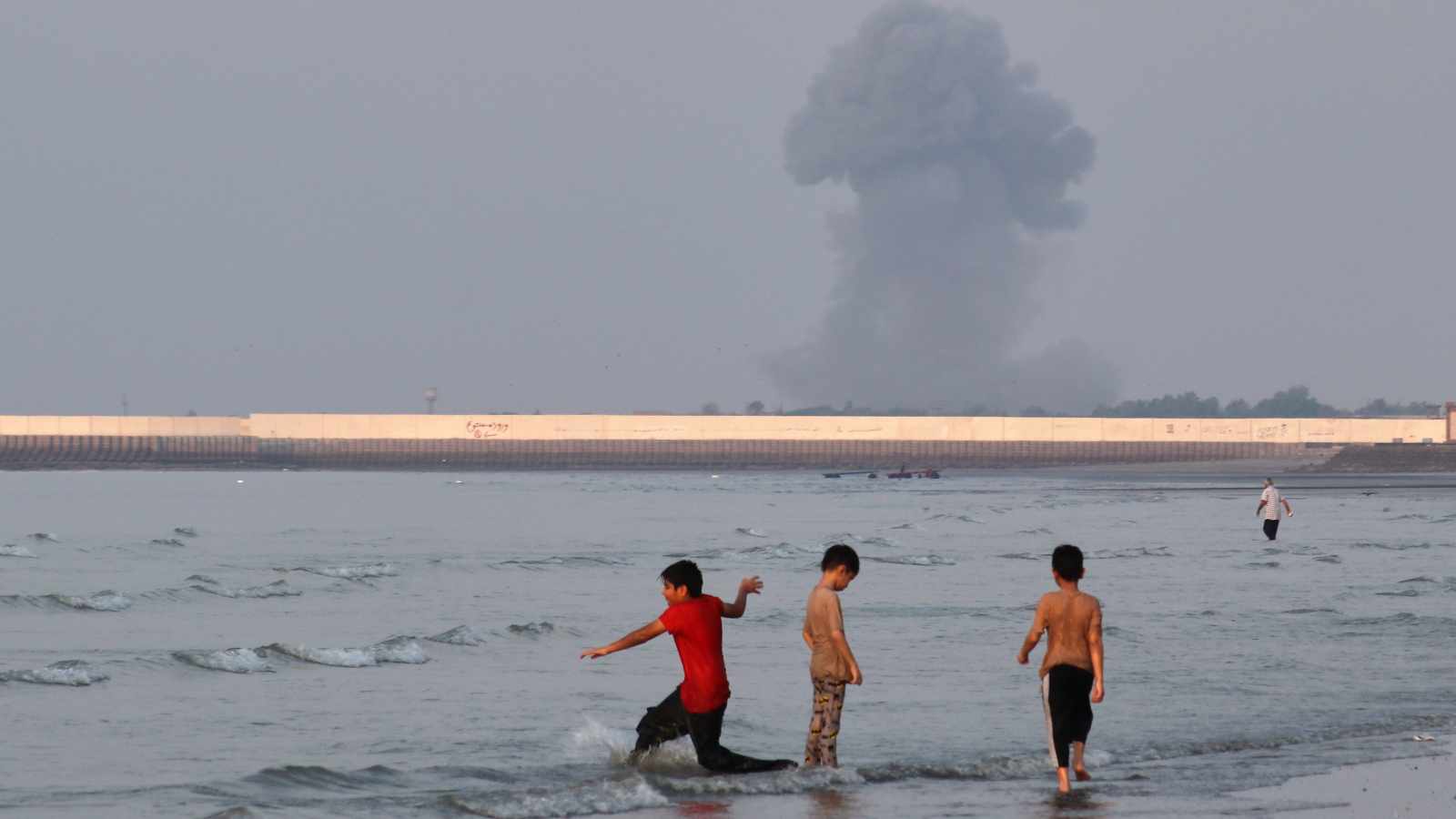
The latest round of escalation was evident after the U.S. military attacked Iran on July 8, 2026, on the basis that Tehran struck three ships in the Strait of Hormuz. Iran responded with strikes targeting Bahrain and Kuwait.
The developments coincided with the official funeral ceremonies for Ayatollah Ali Khamenei, the country’s second Supreme Leader who was assassinated by the U.S. and Israel on February 28. In last week’s newsletter, Stanly Johny examined political significance of the death of the country’s last revolutionary.
Commenting on the fresh round of attacks, Mohammad-Bagher Ghalibaf, Iran’s Parliament Speaker and top negotiator, accused the U.S. of violating the June 17 MoU. “The era of bullying and extortion is over... we don’t fold,” he wrote, reflecting Iran’s firm resolve to take on the U.S. President Trump, on the other hand, declared the ceasefire with Iran “over”. As the U.S.-Iran agreement began falling apart, Stanly Johny wrote on why the current crisis has become the biggest stress test for the MoU.
The Hindu editorial on the development examined why we are here. “Iran fears that the U.S. is trying to strip away the leverage it established over the Strait during the war by promoting an alternative route. The U.S. does not want Iran to emerge as the sole custodian of a strategic waterway. These conflicting positions trigger skirmishes, further undermining the MoU,” it contended.
Further, it pointed out that: “Mr. Trump’s public tirades and abuses against Iran’s leadership and hyperbolic threats, which are detached from ground realities, are not helping his cause. Equally, if Iran continues targeting commercial vessels, it risks being seen as an aggressor rather than a victim. Both sides should address the trust deficit, resolve the sticking points in the MoU and begin serious talks about the outstanding issues for a final settlement.”
Meanwhile, Global oil prices jumped over 3% as escalating US-Iran hostilities disrupted shipping in the Strait of Hormuz, reminding us of the devastating impact this war has on the rest of the world.
With nuclear negotiations stalled yet again, hostilities escalating across West Asia, fears of sanctions mounting, and divisions emerging within NATO, what comes next? Stanly Johny and Smriti Sudesh examine the future of U.S.–Iran relations, Tehran’s strategy, the prospects for diplomacy, and whether the region is heading towards another major conflict. Are the U.S. and Iran returning to a full-scale war? Watch.
In the neighbourhood
Should India restart dialogue with Pakistan?
India and Pakistan have not engaged in dialoguesince 2016 when talks broke down after the terror attacks at Pathankot and subsequently at Uri. Earlier this month, a group of eminent citizens led by Gandhian O.P. Shah drafted a joint appeal to the leaders of India and Pakistan urging them to engage in dialogue. Mani Shankar Aiyar, who was a signatory to the letter, and Tara Kartha discuss the question in a conversation moderated by Kallol Bhattacherjee.
Prisoners of violence: The Hindu editorial on Sri Lanka’s prison riots that claimed 28 lives
Top 5 stories we are reading this week
NATO | Towards a more European alliance – G. Sampath
Price of peace in the time of war - Kallol Bhattacherjee and Debayan Tewari
India’s economic prospects after the West Asian crisis – C. Rangarajan and D.K. Srivastava
Revolution to resurgence — Iran’s strategic moment - Rajeev Agarwal
Nigel Farage: A persistent force in British politics - Sriram Lakshman
Published - July 13, 2026 01:41 pm IST
View original source — The Hindu ↗
Related stories

Philippine Daily Inquirer
PoliticsJul 14, 2026 · 1 min
Subpoenas issued to NY Times reporters
Philippine Daily Inquirer

Philippine Daily Inquirer
PoliticsJul 14, 2026 · 1 min
Prosecutors question Sara Duterte’s fitness to be president
Philippine Daily Inquirer

TASS
PoliticsJul 14, 2026 · 1 min
Russian forces strike military facilities in Kiev, Odessa Region — Defense Ministry
TASS
Indian Express
PoliticsJul 14, 2026 · 1 min
Oil, blockades, and toll: Key questions answered on renewed Iran war
Indian Express