Indian Express
‘Father waited on bridge’: Delhi cop who found IB staffer’s body during 2020 riots
4 min readNew DelhiUpdated: Jul 14, 2026 01:49 PM IST
Around 7 am on February 26, 2020, a large contingent of paramilitary forces entered the narrow lanes of Chand Bagh after a night of communal violence rocked Northeast Delhi.
Among the officers deployed was Assistant Commissioner of Police (ACP) Harish Kukreti, then posted at Khajoori Khas Chowk. Leading a platoon of around 20 personnel, Kukreti had received information that a man’s body had been dumped in the Khajoori Khas drain the previous day.
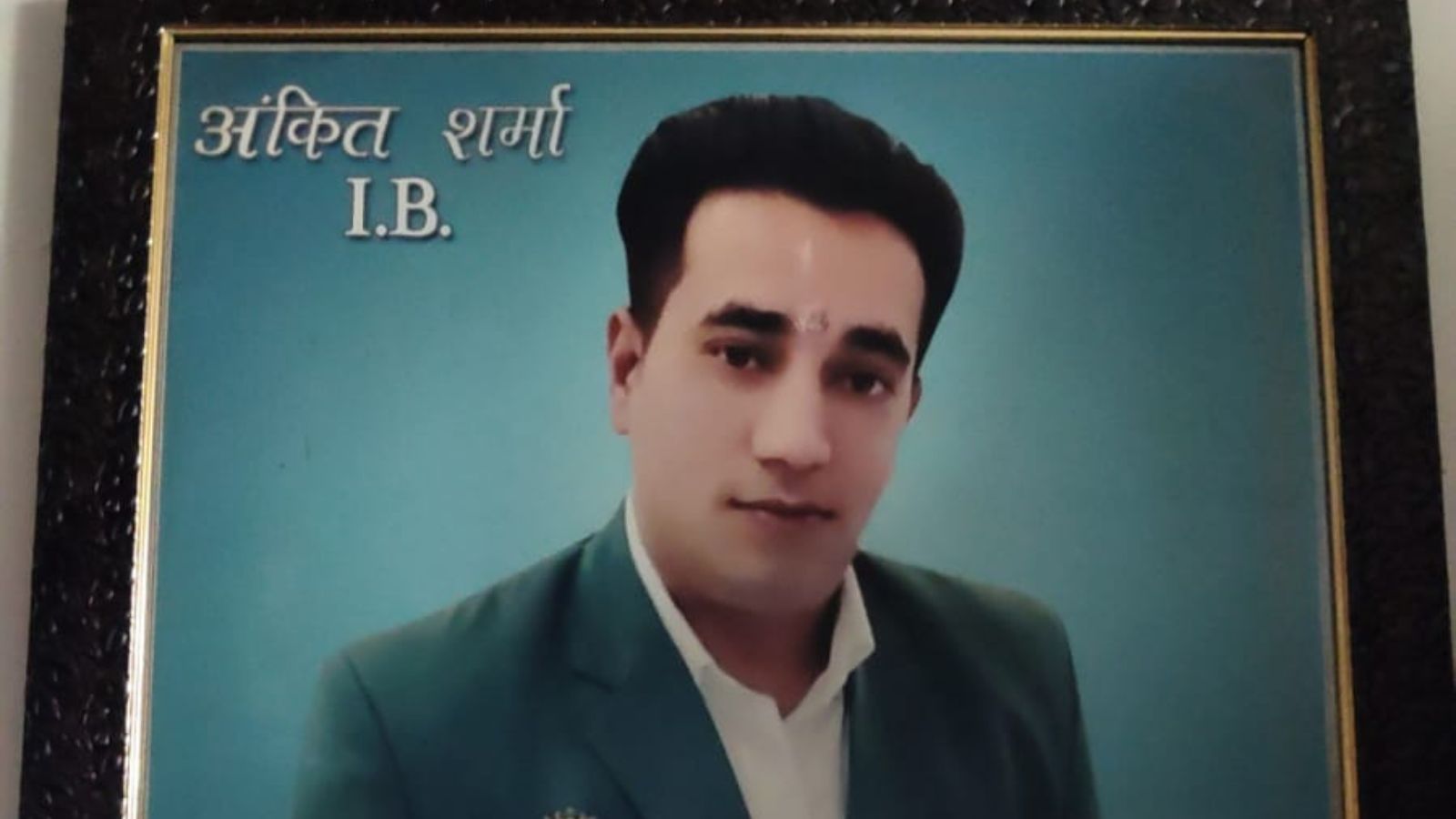
As the team reached the Chand Bagh pulia (small bridge), he said they found an elderly man frantically searching for his missing son. The man was later identified as Ravinder Sharma, father of Intelligence Bureau (IB) staffer Ankit Sharma.
At the time, Kukreti and his team did not know who Ravinder was. Chand Bagh was among the worst-affected areas during the riots. Officers tried to console Ravinder as he told them his son had been missing since the previous evening and that he feared a mob had killed him and thrown his body into the drain.
“I called the Delhi Fire Service (DFS) and requested divers from the Municipal Corporation of Delhi (MCD). Within a few minutes, four to five divers from the Sonia Vihar Pushta arrived and began searching for the body. Although it was early morning, the locality remained extremely tense, with residents staying indoors,” recalled Kukreti, who has since retired.
The drain in Northeast Delhi’s Chand Bagh where Ankit Sharma’s body was found. (Express Archive Photo by Amit Mehra)
The drain was about 1.6 km from Khajoori Khas Chowk.
“I asked my team to cordon off the area. Paramilitary personnel were also deployed to maintain security as we had to conduct the search in a large drain that had turned into a swamp filled with mud, dirt and plastic waste,” he said.
Story continues below this ad
The divers searched for more than an hour before finally locating the body. By then, several members of Ankit’s family, who lived nearby, had also reached the spot.
“His body was badly swollen, but his father, who was standing near the drain, identified him immediately. Emotions were running very high and the situation was tense. Somehow, I convinced the family to take the body to the hospital as quickly as possible,” Kukreti said.
He said it was only during the search that he learnt the deceased was an IB man.
Investigation to conviction
The Dayalpur Police Station was informed about the recovery of the body, following which the legal proceedings were initiated.
Story continues below this ad
A case of murder and other relevant sections of the Indian Penal Code (IPC) was registered. The investigation was later transferred to the Delhi Police Crime Branch.
On Monday, former Aam Aadmi Party (AAP) councillor Tahir Hussain and four others were convicted by a Delhi court in the murder case.
Hussain, who was suspended by the AAP soon after the incident, has been convicted of murder and rioting, among other charges. He was, however, acquitted of the criminal conspiracy charge.
According to the police, a witness recorded a video from Hussain’s terrace that allegedly showed a group dumping Ankit’s body into the drain. The post-mortem report found 51 sharp and blunt force injuries on his body, police said.
The quantum of sentence is yet to be announced.
View original source — Indian Express ↗
Related stories

The Punch
WorldJul 14, 2026 · 1 min
Lagos to sue social media user over false flood video
The Punch
The Punch
WorldJul 14, 2026 · 1 min
Iran executes two over charges of IS membership
The Punch
The Punch
WorldJul 14, 2026 · 1 min
What Nigerians can use US B1/B2 visa for – Embassy
The Punch
The Punch
WorldJul 14, 2026 · 1 min
Kano donates food items, N1m to family of slain police officer
The Punch