Indian Express
Kharif sowing slows as rain deficit hits over half of India’s districts
2 min readNew DelhiJul 14, 2026 04:34 PM IST
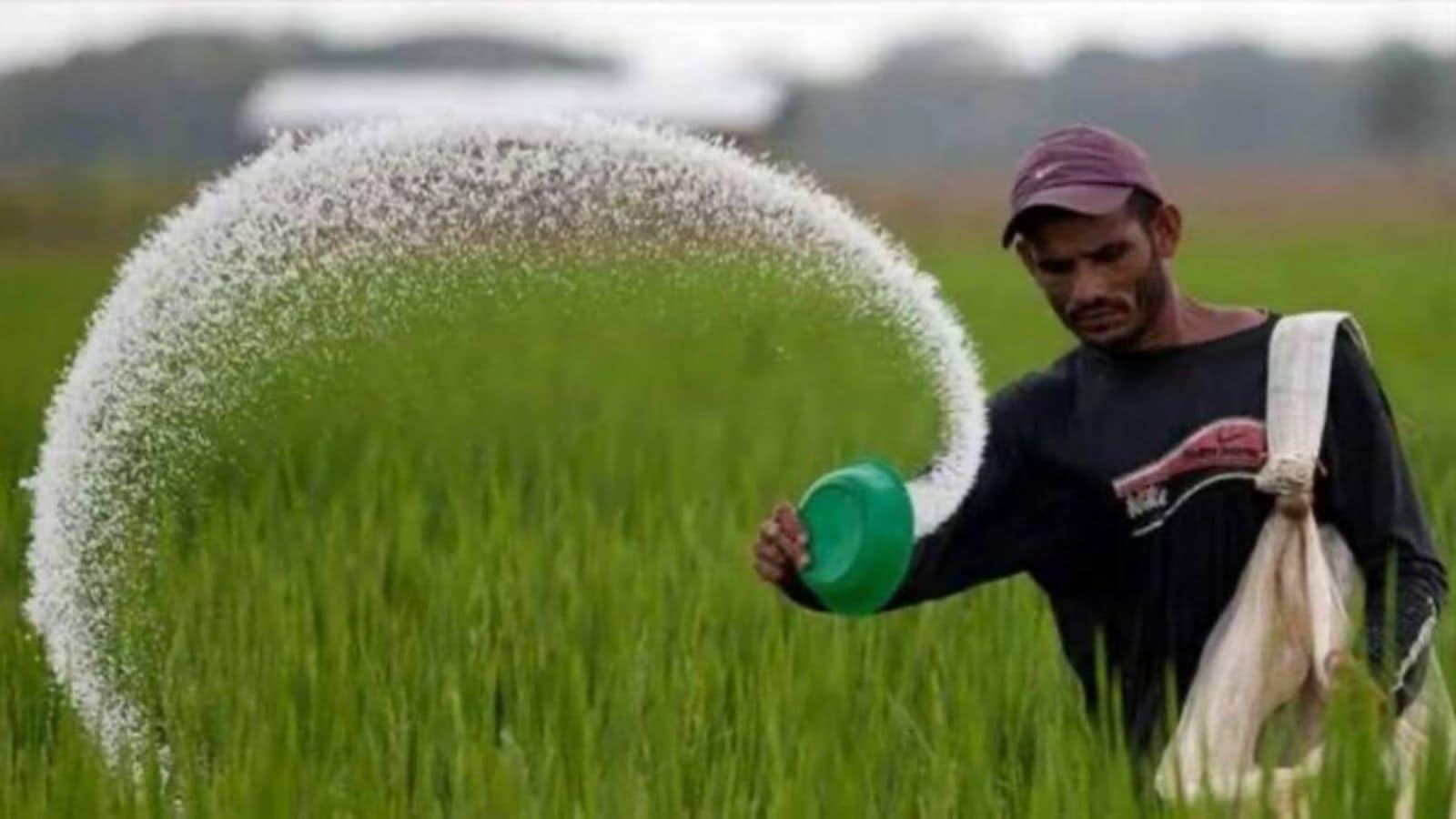
Area coverage under paddy was 8.6 per cent less than last year. (File photo).
With more than half of the country’s 741 districts experiencing a rainfall deficit in the current monsoon season amid a looming El Niño threat, kharif sowing has taken a hit. The acreage under rice, pulses, millets, and oilseeds as of July 10 remained significantly lower than the corresponding period last year.
According to the Ministry of Agriculture and Farmers’ Welfare, area coverage under paddy, the biggest crop, was reported at 114.69 lakh hectares, which is 8.6 per cent less than 125.53 lakh hectares last year.
The progress in sowing was even slower for pulses, millets, and oilseeds. An area of 56.63 lakh hectares was reported under pulses. It was 23 per cent higher at 73.85 lakh hectares last year. Among pulses, lower area coverage has been reported for arhar, urad, and moong dals.
Among millet crops, the area coverage under bajra was down by 26 per cent to 33.76 lakh hectares from 33.76 lakh hectares last year. Bajra is mainly grown in rainfed areas.
The area coverage under oilseeds was down by 21 per cent to 117.83 lakh hectares, compared to 149.18 lakh hectares last year. Cotton sowing was also down by 15 per cent to 79.54 lakh hectares as compared to 93.95 lakh hectares.
42% of districts record normal or excess rain
According to the India Meteorological Department (IMD), 54 per cent of the country’s 741 districts recorded deficit to large deficit rainfall from June 1 to July 13. Only 46 per cent of districts received normal, excess, and large excess rainfall during the period.
In view of the El Niño threat, a series of review meetings have been held at various levels—from the Prime Minister’s Office to agriculture ministry—in recent days. There was a delay of about 10 days before the monsoon onset in Gujarat, Madhya Pradesh, Chhattisgarh, and Maharashtra. A “weak to moderate” El Niño is expected in July and August.
View original source — Indian Express ↗
Related stories

The Punch
WorldJul 14, 2026 · 1 min
Police probe Bayelsa tricycle rider’s death as FRSC denies involvement
The Punch
The Punch
WorldJul 14, 2026 · 1 min
Rivers Assembly summons firm over host community’s petition
The Punch
The Punch
WorldJul 14, 2026 · 1 min
NDDC digitises contract letters to curb fraud, EFCC trouble for directors
The Punch
The Punch
WorldJul 14, 2026 · 1 min
FULL LIST: Top 10 US companies sponsoring work visas for Nigerians, how to apply
The Punch