
Indian Express
Is FIFA favouring Argentina? A look at 4 of the controversies
Are Argentina being favoured by FIFA? A string of high-profile decisions over the past month has convinced sections of supporters and pundits that they are. Here is a closer look at the biggest officiating controversies involving Argentina.
Argentina’s title defence has been shrouded in controversy from the first match itself. Lionel Messi caught Algeria captain Aissa Mandi with a late challenge, his studs making contact with Mandi’s trailing leg. Algeria felt it was worthy of a red card, but not only did Messi avoid a booking, he also went on to score a hat-trick. Algeria later lodged an official complaint over the standard of refereeing.
Conclusion: This was a controversial decision, for replays made it obvious that Messi had caught Mandi with his studs.
Breel Embolo’s red card (Argentina vs Switzerland)
The quarter-final tie between Argentina and Switzerland was evenly poised at 1-1, when at the 69th minute, Breel Embolo threw himself to the ground with enough conviction to convince referee João Pinheiro that he was shoved by Argentine defender Leandro Paredes. Pinheiro duly booked Paredes. VAR, led by Guillermo Pacheco Larios, recommended an on-field review.
The replays showed no contact between Embolo and Paredes, insinuating the Swiss striker had simulated the dive to get his opponent booked. Pinheiro then rescinded Paredes’ yellow card and brandished one at Embolo instead. Having already been cautioned earlier in the match, the Swiss striker was sent off for a second bookable offence.
What does the rule say?
On this occasion, the International Football Association Board’s (IFAB) ‘mistaken identity’ rule was applied. According to the law — the scope of which was extended just before the World Cup — a VAR team can review instances where a referee has penalised the wrong player for the offence in question.
After review, the referee is provisioned to rescind the wrongful yellow, and penalise the actual perpetrator instead. The precedent had already been established earlier in the tournament, when Tim Ream’s yellow card against Paraguay was overturned and Miguel Almirón was instead cautioned for simulation.
Story continues below this ad
Conclusion: There is room for debate about the necessity of the rule, but none whatsoever regarding its application. Referee Pinheiro had only followed the rulebook.
Mostafa Zico’s cancelled goal (Argentina vs Egypt)
Having taken the lead in the first half in the Round of 16 match against Argentina, Egypt scored a second in the 58th minute through Mostafa Zico. Or, so they thought. After review, French referee Francois Letexier chalked the goal off for a foul, which happened at the other end of the pitch. Marwan Attia stepped on the foot of Lisandro Martinez, which led to the Egypt counter-attack, and eventually, the goal.
What does the rule say?
According to IFAB’s goal review protocol, a VAR team is provisioned to review the phase of play that resulted in the goal, and vet for any fouls, handballs, offsides or other infringements which might have been overlooked. Because Attia’s foul was the point of origin of the Egyptian attack, the foul was looked at.
Conclusion: This remains the tournament’s most debatable decision. Not because Attia’s foul was particularly contentious, but because it occurred roughly 85 metres from goal and around 13 seconds before Zico scored.
Mohamed Salah’s penalty appeal (Argentina vs Egypt)
Story continues below this ad
Egypt felt aggrieved once again in stoppage time. Mohamed Salah went down inside the penalty area after a challenge from Julián Álvarez, but Letexier immediately waved away the appeals. VAR conducted a routine check and upheld the on-field decision.
Conclusion: Replays revealed that the contact was minimal, and not worthy of a penalty. The referees cannot be faulted for this decision.
View original source — Indian Express ↗
Related stories

Nepali Telecom
TechnologyJul 14, 2026 · 1 min
Govt. launches Nepal Weather Official app with Alert system
Nepali Telecom

Dawn
TechnologyJul 14, 2026 · 1 min
New York becomes first US state to impose data centre moratorium
Dawn
TechRadar
TechnologyJul 14, 2026 · 1 min
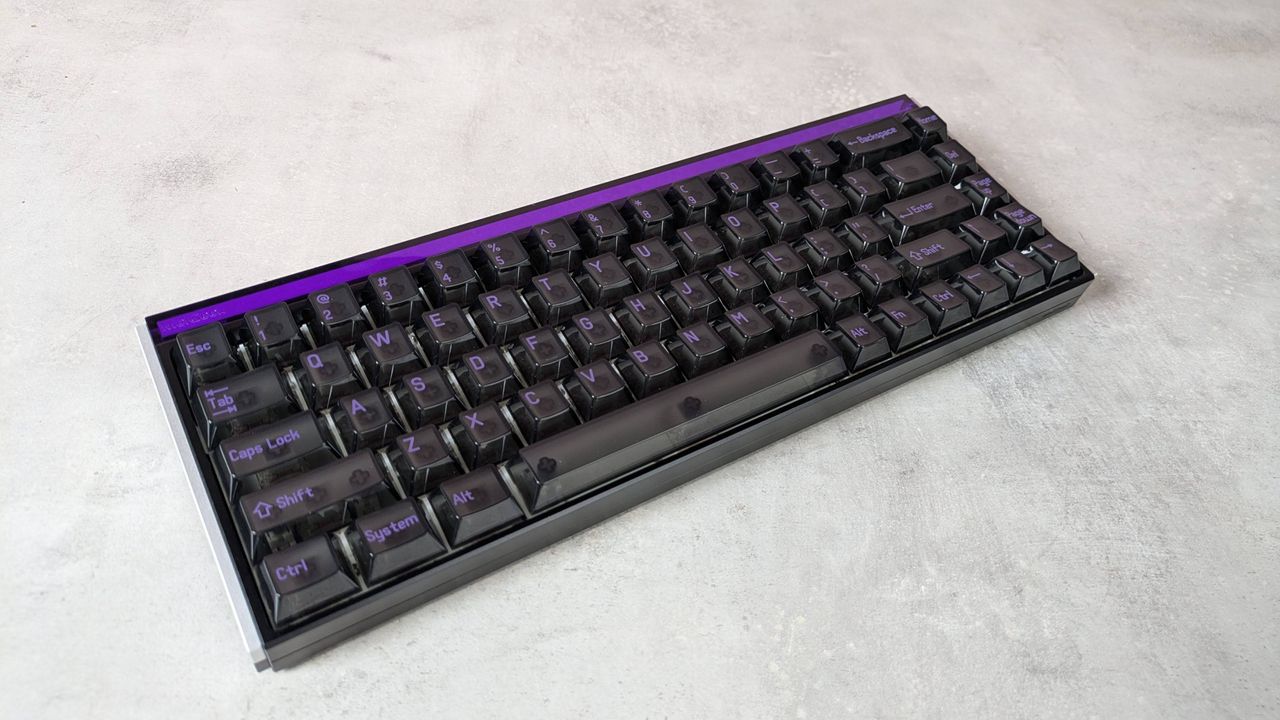
‘All the analog features you could wish for’: this is one of the most adjustable analog keyboards I’ve come across
TechRadar

TASS
TechnologyJul 14, 2026 · 1 min
Trump says Strait of Hormuz open to all ships except Iran’s
TASS