The Guardian
Caribbean calls for return of British Virgin Islands – and for King Charles to back decolonisation
The main reparations committee for Caribbean nations has called on the UK to return the British Virgin Islands and for King Charles to commit to decolonising Britain’s remaining overseas territories, warning of a “resurgence of colonisation” around the world.
In a visit to the UK this week, the Caricom Reparations Commission – the body seeking reparative justice for enslavement, colonialism and their legacies on behalf of the alliance of Caribbean states – decried the fact that the Caribbean remained “the most colonised part of the world”.
It recently launched a new manifesto outlining the “moral, ethical and legal case for reparations”, and at a briefing on Tuesday in London, David Comissiong, Barbados’ ambassador to Caricom, said “decolonisation has been inserted into this new manifesto … as a key demand”.
The British overseas territories of Anguilla, Bermuda, the British Virgin Islands, the Cayman Islands, Montserrat and the Turks and Caicos have internal self-governance but remain under the control of UK-appointed governors with authority over defence, international affairs and some security and legal matters.
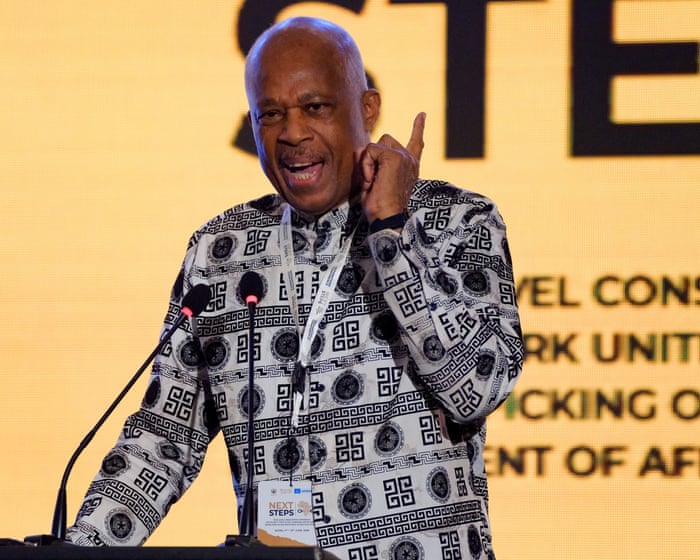
Sir Hilary Beckles, chair of the commission, said on Tuesday that the Caribbean was the most colonised part of the world, something that had to stop.
He said: “We are saying to the world and to the United Nations is bring an end to colonisation, because if we do not bring it into the framework of reparatory justice, we might see a resurgence of colonisation elsewhere.
“And we’re beginning to see signs of that. People sending their armies and so on into other people’s territories and taking control. We begin to see how power can lead to a resurgence of colonisation.”
Beckles added: “We object to the fact that when we leave our independent islands and we arrive in Martinique, there’s a sign at the airport that says, ‘Welcome to France’.
“We object to the fact that in the Virgin Islands, our people cannot make fundamental decisions because they have to consult with the British governor and consult with Downing Street to make decisions … and we want to have it uprooted as part of the enlightenment that we’re calling for – democracy, freedom, sovereignty for everyone.”
Comissiong said it was “inconceivable” that having transcended the oppression of slavery and being “sucked dry” by colonialism that Black people should still find themselves “bereft of self-determination.”
He added that there were “no less than 20 colonies – British, French, Dutch, and American colonies – in the Caribbean” and added that “reparations and decolonisation go hand in hand.”
Charles will be the keynote speaker at this year’s Commonwealth heads of government meeting, to be held in November in Antigua and Barbuda.
Comissiong said that while he recognised that the king was a constitutional monarch who had “constraints”, the people of the Caribbean would be looking to see if their king was going to advance the conversation about “sovereignty, decolonisation and reparatory justice for these crimes that have been committed”.
He added: “I would not dare to advise the king how he should address his subjects, (but) the time has come to let the people go, to begin the decolonisation process … to break the chains of imperial governance. And to say, to those subjects: ‘We accept responsibility for 300 years of wealth extraction, human degradation, and future moral order.’”
At the briefing there was a wider discussion about the status of the global reparations movement, which delegates said had been galvanised by Caribbean and African cooperation, and new plans to partner more closely with African Americans. Beckles said the movement was entering the “stage of negotiations” after “an avalanche of apologies” from various institutions and the UN’s vote in March to recognise slavery as the gravest crime against humanity.
As well as speaking to UK parliamentarians this week, the Caribbean delegation has met with senior clerics of the Church of England, urging it to press ahead with its reparations programme, Project Spire, despite what he described as the headwind of “reactionary theology” that clerics faced from critics. He added that he hoped the church would be “critical allies in this struggle for humanity’s future”.
View original source — The Guardian ↗
Related stories

The Punch
WorldJul 14, 2026 · 1 min
Adeleke’s visa ban demand for APC leaders a joke — Oyebamiji
The Punch

Philippine Daily Inquirer
WorldJul 14, 2026 · 1 min
Zamboanga Sibugay also reels from Inday, ‘habagat’ floods
Philippine Daily Inquirer
The Punch
WorldJul 14, 2026 · 1 min
VIDEO: Rescued Oyo kidnap victims reunite with families
The Punch
Times of Israel
WorldJul 14, 2026 · 1 min
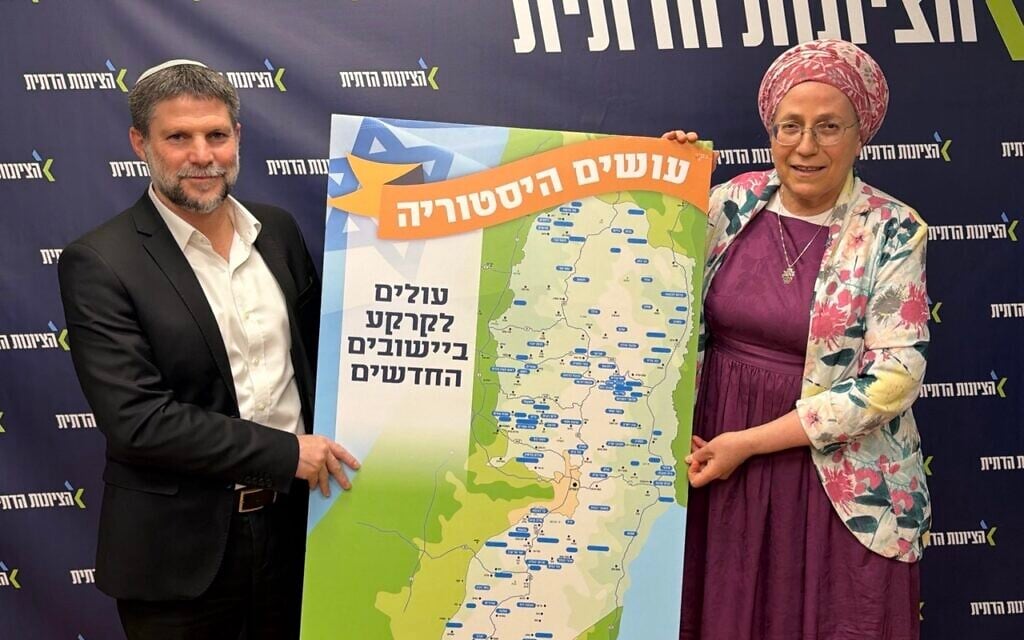
Government says $431 million allocated last month for 34 new West Bank settlements
Times of Israel