ABC News
Jewish student tells of her disgust at TikToks in Auschwitz car park
On Paris Enten's first day at Monash University, a student approached her to ask if she knew much about socialism.
The arts/law student enthusiastically told the socialist group member she was familiar with the concept because, as a Jew, she had spent time on a Kibbutz in Israel, a type of farming commune.
The student replied that his group was anti-Zionist, at which point a girl joined him and told her, "we won't stop until people like you are kicked off campus" and asked if she "liked killing Palestinians".
Ms Enten, now a legal associate for a Federal Court judge, gave evidence at the Royal Commission on Antisemitism and Social Cohesion yesterday, detailing the incident that left her "quite upset and devastated".
Despite being screamed at, she said, she persevered with the interaction in an attempt to convince the students she was "pro-Israeli and pro-Palestinian" and they probably had plenty in common.
Within the next few days, Ms Enten made a complaint of what she considered was an antisemitic incident to Monash University and initially felt very supported.
But was later told, on the balance of probabilities, the university did not have enough evidence to substantiate her version of events.
"They emailed me to tell me that nothing would happen," Ms Enten said.
By 2024, her experiences of antisemitism had escalated to the extent her mental health was deteriorating, the commission heard.
Pro-Palestinian encampments sprang up in the first half of that year and ran for weeks, as on many Australian university campuses, in response to Israeli military violence against the Palestinian people in Gaza in the wake of the October 7, 2023 terror attacks by Hamas against Israel.
Ms Enten lived in an apartment block close to the encampments where she could hear the chants that multiple Jewish Australians have told the royal commission were traumatising.
"That was the start of the end for me in terms of my faith in the secular institution that was Monash," she told the commission.
"No amount of being a proud Jewish Zionist could do anything to help anyone".
She was further distressed in June of that year when she took a 10-day study tour with the university to Poland, Germany and the Czech Republic, which involved visits to Holocaust-era concentration camps.
"People were filming TikToks in the car parks of Auschwitz and concentration camps," she told the commission.
Outside the hearings, Ms Enten said the tour guides on that trip had to tell the students, "Hey, we're at Auschwitz, calm down".
"They needed to be told repeatedly at most of the places that we went to. It was disgusting," she told reporters.
"I don't know if that makes them antisemitic but, in my book, if you're going to be giggling in the Auschwitz car park, you're not a friend to Jews."
The commission also heard about a subject she took called "Modern Middle East" where a student asserted that "Holocaust survivors were inherently genocidal".
She challenged the comment but felt let down that no one backed her up.
Ms Enten said she had started her time at Monash University "incredibly naive" and "happy-go-lucky".
"By the time I ended, I was jaded and traumatised and untrusting and very, very deeply angry and scared, and just a very different person," she said.
In a statement, Monash University said the experiences of Paris Enten were reported by the Australasian Union of Jewish Students (AUJS).
A spokesperson said the university contacted Ms Enten and conducted a thorough investigation but, due to conflicting accounts from the individuals involved and a lack of corroborating evidence, a formal determination of misconduct could not be reached.
"Monash acknowledges the deeply traumatic, distressing and unacceptable acts of antisemitism our Jewish students and staff have experienced," the spokesperson said.
"In addressing these experiences, the University is actively working to foster a campus culture of brave conversations in classrooms and on campus, where difficult topics can be discussed openly, safely and with mutual respect.
"We acknowledge our responsibility to address antisemitism and all forms of discrimination to create safe and respectful communities and build cohesion."
The spokesperson said the university had deep empathy for Ms Enten, and had since increased campus monitoring, security protocols and had regular high-level meetings with Jewish students.
"Monash provides distinct, trauma-informed avenues for disclosures and complaints of concerning, threatening and inappropriate behaviour via the Safer Community Unit; and has a comprehensive range of security measures to ensure the safety and wellbeing of students, staff and the wider community on our campuses."
This week’s commission hearings have focused on the lived experience of staff and students at the most prestigious universities in Melbourne, Sydney, Canberra and Brisbane.
From today, the commission's scope turns to the institutions' responses to these experiences, with the vice-chancellors of the University of Melbourne, University of Sydney and University of NSW scheduled to give evidence.
View original source — ABC News ↗
Related stories
Engadget
TechnologyJul 14, 2026 · 1 min
Three publishers challenge Google over AI copyright infringement
Engadget

CBC
TechnologyJul 14, 2026 · 1 min
Late-night TV hosts skewer Mitch McConnell's proof-of-life photo
CBC

ZDNet
TechnologyJul 14, 2026 · 1 min
I've used the iOS 27 beta for a month: 7 ways the new Siri is dramatically better
ZDNet
Engadget
TechnologyJul 14, 2026 · 1 min
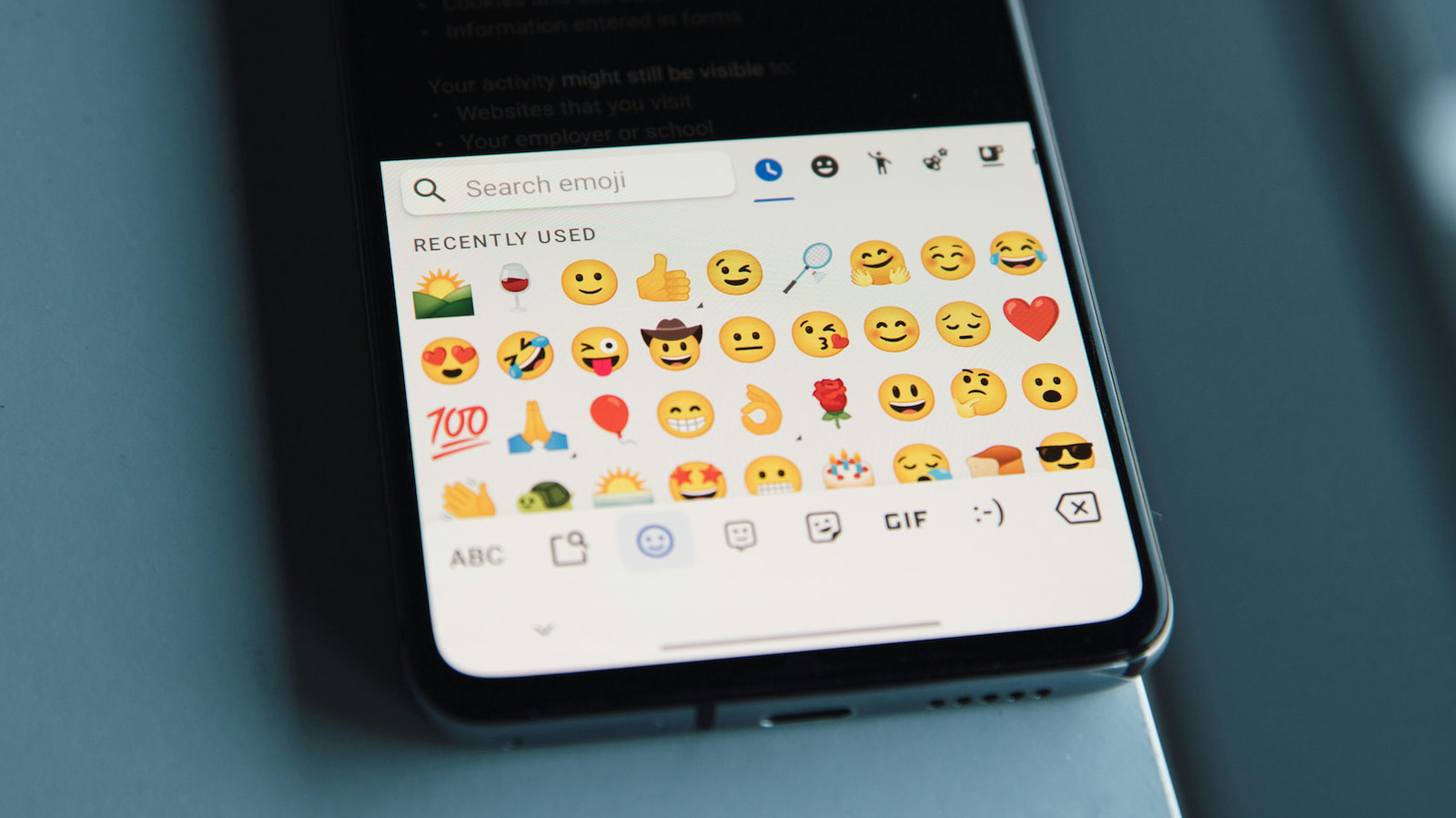
The next wave of emoji could help you evoke beauty and existential dread
Engadget