Indian Express
FCNR(B) scheme: Inflows cool after netting $10 billion
3 min readMumbaiJul 15, 2026 01:20 AM IST
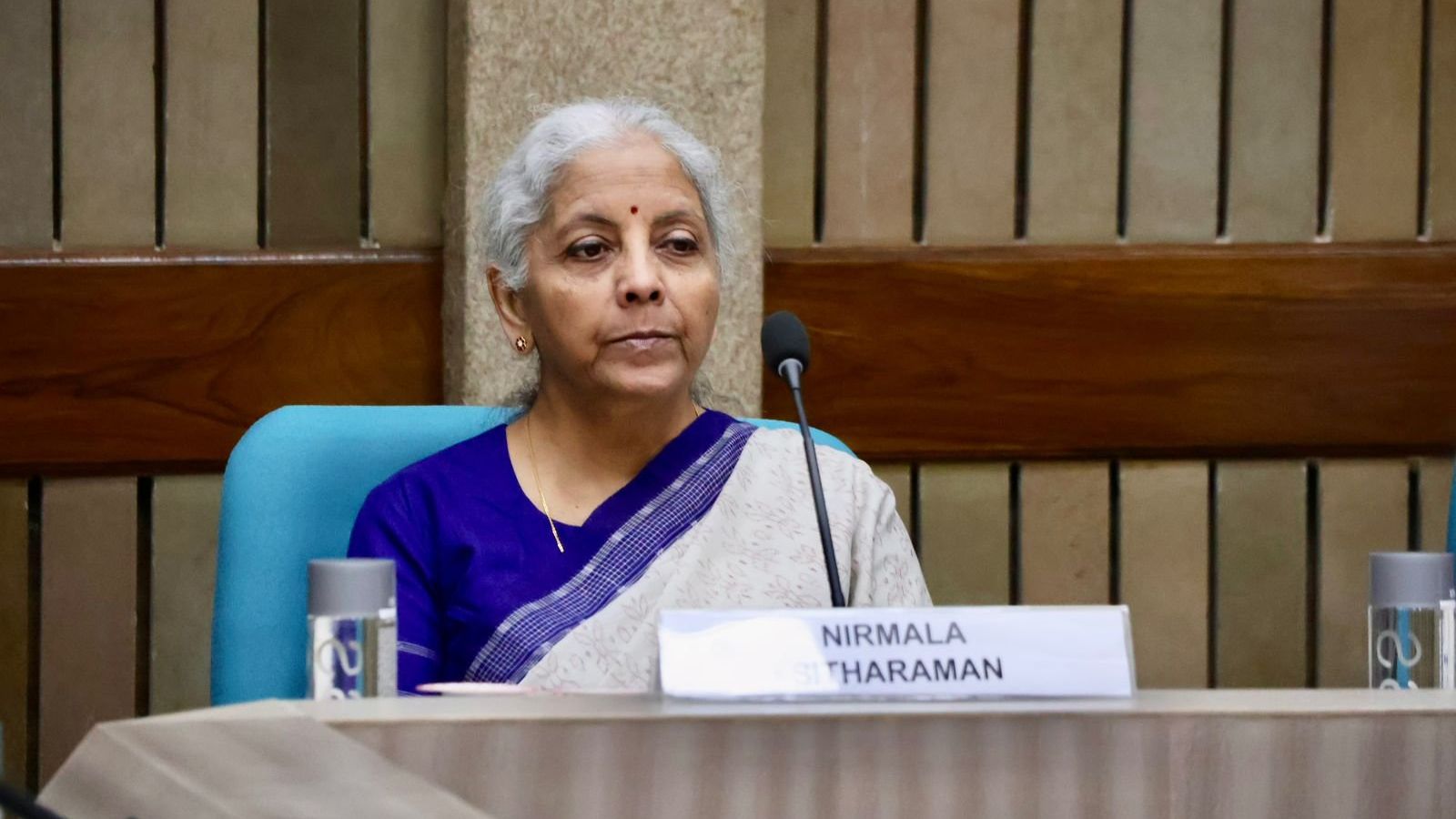
On Monday, Finance Minister Nirmala Sitharaman interacted with MDs and CEOs of banks and asked them for enhanced NRI outreach to sustain the mobilisation momentum. (Image: @nsitharamanoffc/X)
The Reserve Bank of India’s (RBI) special FCNR(B) deposit mobilisation scheme has helped banks garner close to $10 billion so far, but the pace of inflows has somewhat moderated after an initial surge. While collections had accelerated after the RBI clarified that banks could extend loans against FCNR(B) deposits, the momentum, which has since eased as rising funding costs have made further mobilisation less attractive, is expected to pick up in the coming months, banking officials said.
Several obstacles have come up even as banks tried to increase deposits from overseas Indians. The most significant challenge is the 25–40 basis point increase in the cost of raising dollar funds and rise in bond yields in the US and Europe amid the continuing West Asia conflict following the RBI’s June 23 clarification, which enabled leveraged deposit formats. “There’s doubt whether the estimated $ 50-70 billion flow will materialise in the wake of tight conditions but flows will pick up when funding cost and bond yields come down,” said a banking source.
On Tuesday, the rupee, which had recovered to the 94 level against the dollar after the RBI introduced the new FCNR scheme, fell by 58 paise to 96.20. Dilip Parmar, Senior Research Analyst, HDFC Securities, said the Indian rupee underperformed against its Asian peers, tumbling to its weakest level in a month on Tuesday. Surging crude oil prices—driven by escalating geopolitical tensions—heavily weighed on the local currency. “Additionally, rising global bond yields may dampen expected inflows into the FCNR(B) scheme, piling further pressure on the rupee,” he said.
On Monday, Finance Minister Nirmala Sitharaman interacted with MDs and CEOs of banks and asked them for enhanced NRI outreach to sustain the mobilisation momentum.
Banks are facing external funding pressures, including high bond yields and interest rates abroad, that are increasing the cost and complexity of raising foreign currency resources, they said.
On June 5, the RBI announced the special dispensation that allows banks to mobilise fresh three- to five-year FCNR(B) deposits until September 2026. It also permitted them to swap these deposits with the RBI at a concessional rate, effectively covering the entire hedging cost.
By absorbing the hedging burden, the RBI has made FCNR(B) deposits a more attractive source of overseas funding for lenders. Experts then said the steps announced may attract an additional $50 billion to $70 billion in foreign capital into Indian markets, provided the banks offer the right interest rates after considering the hedging sops.
George Mathew is an Associate Editor with The Indian Express, based in Mumbai. A veteran of financial journalism with nearly three decades of experience, he is one of the country’s most authoritative voices on banking, regulation, and the corporate sector.
Expertise & Focus Areas Mathew’s reporting covers the nerve center of India’s economy. His specialized beats include:
The Reserve Bank of India (RBI): He has tracked the central bank's policy evolution through the tenures of multiple Governors, offering deep insights into monetary policy, repo rates, and banking regulation.
Banking & Insurance: Extensive coverage of public and private sector banks, non-performing assets (NPAs), and key legislative reforms like the Insurance Amendment Bills.
Corporate Affairs: Mathew frequently breaks major stories related to India's largest conglomerates, with a specific focus on the Tata Group, documenting boardroom shifts and strategic decisions.
Financial Markets: Reporting on the complexities of Foreign Portfolio Investors (FPIs), IPOs, and currency fluctuations.
Authoritativeness & Insight With a career dating back to the late 1990s, Mathew possesses a rare institutional memory of India’s financial liberalization and market crises. His work is not limited to daily news; he frequently contributes to the "Explained" section, where he decodes complex financial legislations and market trends for a broader audience. His rigorous reporting has also been featured in scholarly platforms like the Economic and Political Weekly (EPW).
Find all stories by George Mathew here ... Read More
Tags:
Nirmala Sitharaman
Reserve Bank of India
View original source — Indian Express ↗
Related stories

CNA
BusinessJul 14, 2026 · 1 min
US to launch AI and cybersecurity coordination group, White House says
CNA

Buenos Aires Times
BusinessJul 14, 2026 · 1 min
Argentina inflation slows to lowest level since last August
Buenos Aires Times

Times of India
BusinessJul 14, 2026 · 1 min
US eases Russia sanctions bill, cuts tariff threat on India and China from 500% to 100%
Times of India

MarketWatch
BusinessJul 14, 2026 · 1 min
Skip the lettuce, cook your other greens and more advice on avoiding cyclosporiasis
MarketWatch