South China Morning Post
How Beijing’s islands of control are reshaping the South China Sea
A decade after Beijing rejected the ruling by The Hague’s Permanent Court of Arbitration on its South China Sea claims, rival nations continue to manoeuvre for control. In the third of our series on the anniversary, Laura Zhou looks at why the gap between international law and geopolitical reality on the water has never been wider.
On a scorching morning this summer, more than a hundred Chinese tourists stepped ashore on Tree Island in the hotly contested Paracels.
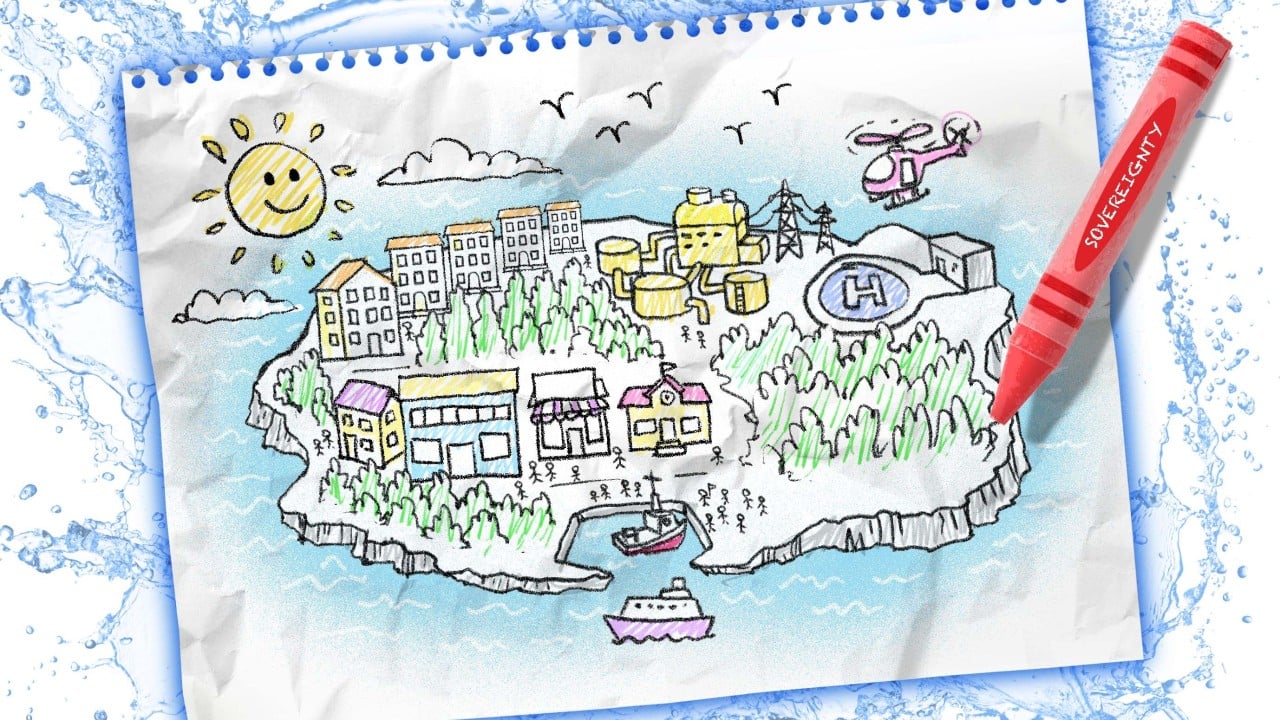
They were greeted not only by blue skies and turquoise waters, but also a sprawling array of modern infrastructure: gardens, two-storey houses and air-conditioned government offices to handle the administration of the island and some of those nearby.
On the clean, well-paved roads, electric sightseeing buggies carried visitors on tours that last only a few minutes.
There were also supermarkets, a helicopter pad, a waste-water plant, power stations and even a prison on the island, which is also known as Zhaoshu in China and Dao Cay in Vietnam.
“The island is 90 per cent covered in vegetation,” an island-based guide told the visitors.
Among them were schoolchildren who had just started their summer holidays and a retired teacher travelling alone.
View original source — South China Morning Post ↗
Related stories

The Punch
WorldJul 15, 2026 · 1 min
Bauchi CP orders probe into alleged police killing of 20-year-old
The Punch
The Punch
WorldJul 15, 2026 · 1 min
Reps probe CBN, NNPC over unpaid govt revenues
The Punch
The Punch
WorldJul 15, 2026 · 1 min
W’Bank, Visa boost women entrepreneurs with digital finance
The Punch
The Punch
WorldJul 15, 2026 · 1 min
Nexus between political finance and corruption in governance
The Punch