
The Hindu
West Asia War LIVE: Bahrain, Kuwait come under attack as Iran retaliates over U.S. strikes and reimposed blockade
Home
News
World
Bahrain sounded its missile alert siren, while Kuwait’s military said its air defences were firing to shoot down incoming missiles and drones
Updated - July 15, 2026 06:49 am IST
A still image from handout video released July 14, 2026 said to show a drone being launched by Iran from an unknown location to attack U.S. positions at Azraq base in Jordan. Photo: IRIB/Handout via Reuters
Both Bahrain and Kuwait came under attack early on Wednesday (July 15, 2026) as Iran retaliated over U.S. strikes targeting it and the reimposed blockade.
Bahrain sounded its missile alert siren, while Kuwait’s military said its air defences were firing to shoot down incoming missiles and drones.
Also read | Incentives, warnings and assurances: how an Indian sailor transited Hormuz
Both countries host U. .military forces and have been repeatedly targeted by Iran as tensions have mounted over the Strait of Hormuz.
While U.S. President Donald Trump backtracked on his threat to heavily tax ships passing through the Strait of Hormuz, he warned he would expand U.S. strikes on Iran next week to target power plants and bridges if Tehran does not agree to a deal.
(With inputs from Agencies)
Read live updates here:
July 15, 2026 06:49
Incentives, warnings and assurances: how an Indian sailor transited Hormuz
Chaos, uncertainty, numbness, and conflicting orders marked the ordeal of an Indian seafarer aboard a tanker that transited the Strait of Hormuz on Monday (July 13, 2026).
Speaking to The Hindu, the seafarer, who requested anonymity, explained how the fully-loaded Very Large Crude Carrier (VLCC), carrying more than two million barrels of crude oil, and its crew were caught between the threats from the Iranian Navy and encouragement to move forward from the U.S. while transiting the strait through the southern route close to the Oman coast.
Click below to read more:
Incentives, warnings and assurances: how an Indian sailor transited Hormuz
An Indian sailor recounts his perilous journey through the Strait of Hormuz, balancing employer incentives and military threats.
July 15, 2026 06:49
Oil rises after U.S.-Iran hostilities flare again with strikes on energy targets
Oil rose on Wednesday (July 15, 2026) as President Donald Trump reimposed a naval blockade on all Iranian ports and Iran launched retaliatory strikes on U.S. infrastructure in the region. For the second straight session, Brent closed at its highest since June 12 and West Texas Intermediate at its highest since June 15 and rose further on early Wednesday (July 15, 2026) trade.
Brent rose $1.46, or 1.72%, to $86.19 a barrel by 0029 GMT while WTI was up $1.11, or 1.4%, to $80.40 a barrel.
- Reuters
July 15, 2026 06:47
U.S. launches new Iran strikes, reimposes naval blockade
U.S. forces carried out strikes against Iran for a fourth day in a row and reimposed a naval blockade to prevent ships from sailing to or from the country’s ports.
While U.S. President Donald Trump backtracked on his threat to heavily tax ships passing through the Strait of Hormuz, he warned he would expand U.S. strikes on Iran next week to target power plants and bridges if Tehran does not agree to a deal.
“Next week it gets really bad for them because next week comes the power plants. Next week comes the bridges,” Trump said in an interview on Fox News. “We’re going to knock out all their power plants. We’re going to knock out all their bridges unless they get to the table and negotiate.”
US Central Command (CENTCOM) said the latest strikes were aimed at “degrading Iranian capabilities used to attack commercial shipping” in the strait, the key shipping channel for Gulf oil and gas where Tehran has repeatedly carried out attacks on civilian vessels.
- AFP
Published - July 15, 2026 06:46 am IST
View original source — The Hindu ↗
Related stories
TechRadar
TechnologyJul 15, 2026 · 1 min
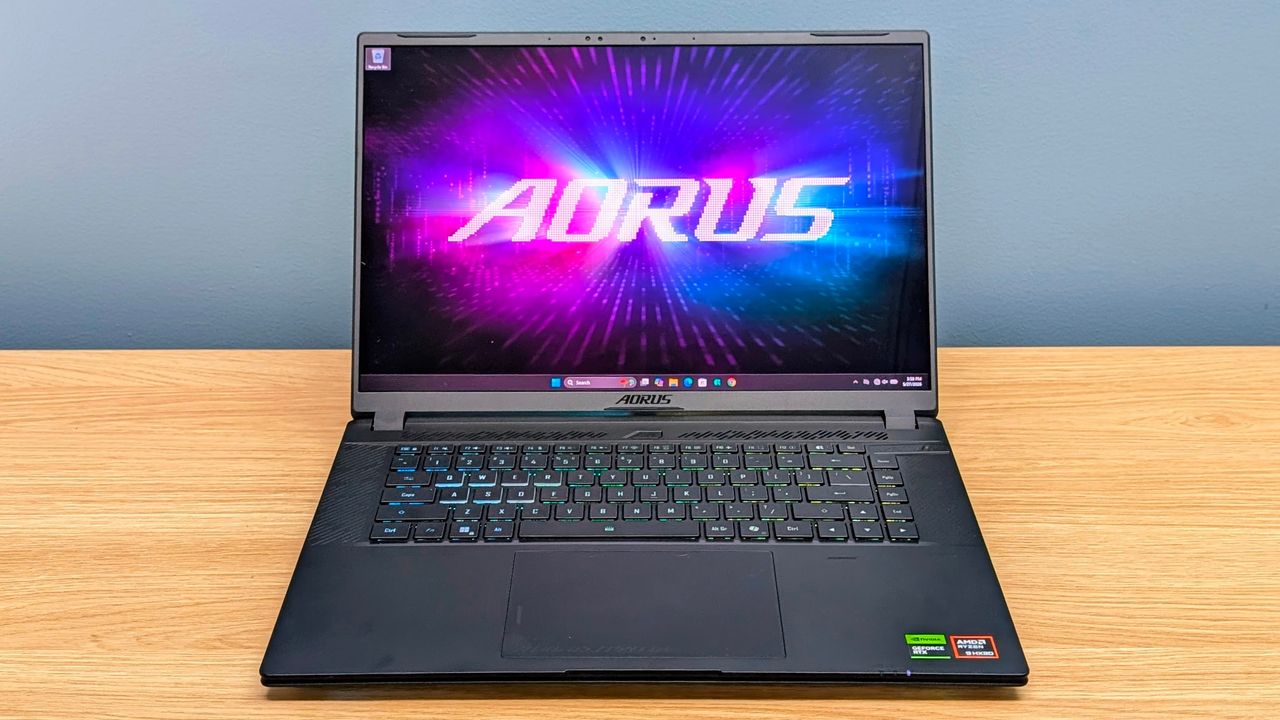
Gigabyte Aorus Master 16 Gen 2 review: full-power RTX 5090 performance in a slim 16-inch chassis
TechRadar

CNA
TechnologyJul 15, 2026 · 1 min
TV host Lee Teng opens up about wife's miscarriage during pandemic: ‘I never got the chance to hold or touch him'
CNA

Philippine Daily Inquirer
TechnologyJul 15, 2026 · 1 min
IBM shares plunge 25% as AI spending boom disrupts business
Philippine Daily Inquirer
ABC News
TechnologyJul 15, 2026 · 1 min
Comm Games 'might look a little different' for swim star after broken back
ABC News