Indian Express
Who are the Ravidassias and why do they want a separate religion category in Census?
3 min readJalandharJul 15, 2026 07:07 AM IST
It reopens a debate that has existed since 2010, when members of the community declared themselves as practising a separate faith. The demand also holds political significance, with Punjab set to go to the polls next year.
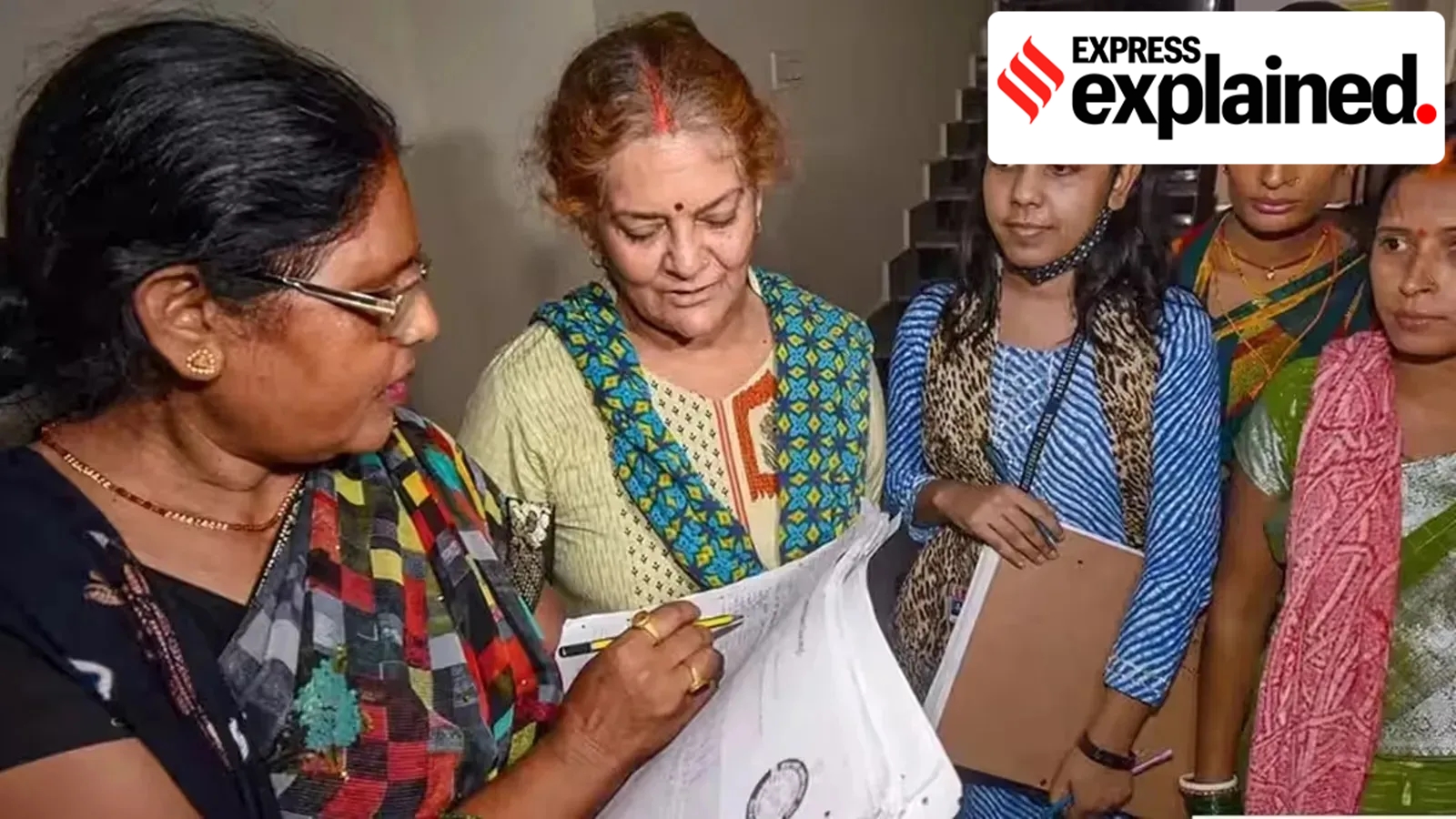
Thousands of members of the Ravidassia community gathered in Punjab’s Phagwara on Sunday for a religious programme and to renew calls for a longstanding demand: the creation of a separate “Ravidassia religion” category in the Census.
The Akhil Bharatiya Ravidassia Dharam Sangathan organised the programme that was attended by Sant Niranjan Das, who heads the Dera Sachkhand Ballan — the largest religious institution of the Ravidassia community.
The gathering resulted in a letter addressed to the President, the Prime Minister and the Union Home Minister. It reopens a debate that has existed since 2010, when members of the community declared themselves as practising a separate faith. The demand also holds political significance, with Punjab set to go to the polls next year.
Who are the Ravidassias?
Guru Ravidas, a mystic poet-saint of the Bhakti Movement from the 15th and 16th centuries, created the concept of Begampura — an egalitarian society and a spiritual vision of a city without sorrow, fear or discrimination.
His followers, the Ravidassias, are a Dalit community of whom the bulk — nearly 12 lakh — live in the Doaba region of Punjab, which includes districts such as Kapurthala, Hoshiarpur, Nawanshar and Jalandhar.
Perhaps the most influential organisation within the community, the Dera Sachkhand Ballan was founded in the early 20th century by Baba Sant Pipal Das. Once closely connected with Sikhism, the dera severed these decades-old ties in 2010 and formally declared a Ravidassia religion.
An incident in May 2009 was one of the triggers behind this assertion. Attackers stormed a Ravidassia congregation in Vienna, Austria, leading to the killing of Sant Ramanand, a senior spiritual leader of Dera Sachkhand Ballan. Several devotees were injured. The incident triggered protests across Punjab and became a watershed moment for the community to rally around a shared identity. Beginning 2010, the dera started replacing the Guru Granth Sahib with its own Granth, Amritbani, carrying 200 hymns of Guru Ravidas, in Ravidassia temples and gurdwaras.
Story continues below this ad
What is the demand and its place in Punjab politics?
The community argues that while Ravidassia has evolved into a distinct religious identity with its own places of worship, scripture, symbols and religious practices, there is no dedicated option for followers to record this identity during the Census. The demand letter cited fundamental rights guaranteeing freedom of religion to support their arguments.
Community leaders say an official Census category would also provide an accurate picture of the size and geographical spread of the faith. Punjab has India’s largest concentration of Ravidassias in India and around 32% of the state’s population comprises Dalits. Dr Kamal Sampla, Akhil Bharatiya Ravidassia Dharam Sangathan, said: “According to the 2011 Census, the combined Ravidassia and Ad Dharmi (another Dalit-led movement seeking separate recognition) in Punjab stood at around 30.95 lakh, accounting for over 11% of the state’s population then.”
The community’s numerical and political strength has even influenced election scheduling. The Election Commission postponed the 2022 Punjab polls after several parties pointed out that lakhs of devotees travel to Varanasi for an annual dera-organised pilgrimage during the period mentioned in the original schedule.
Earlier this year, Prime Minister Narendra Modi visited a dera in Punjab on the birth anniversary of Guru Ravidas and renamed the airport in Adampur after him.
View original source — Indian Express ↗
Related stories

Philippine Daily Inquirer
TechnologyJul 15, 2026 · 1 min
The Teeth announces reunion tour; Cebu stop on Sept 26
Philippine Daily Inquirer
TechRadar
TechnologyJul 15, 2026 · 1 min
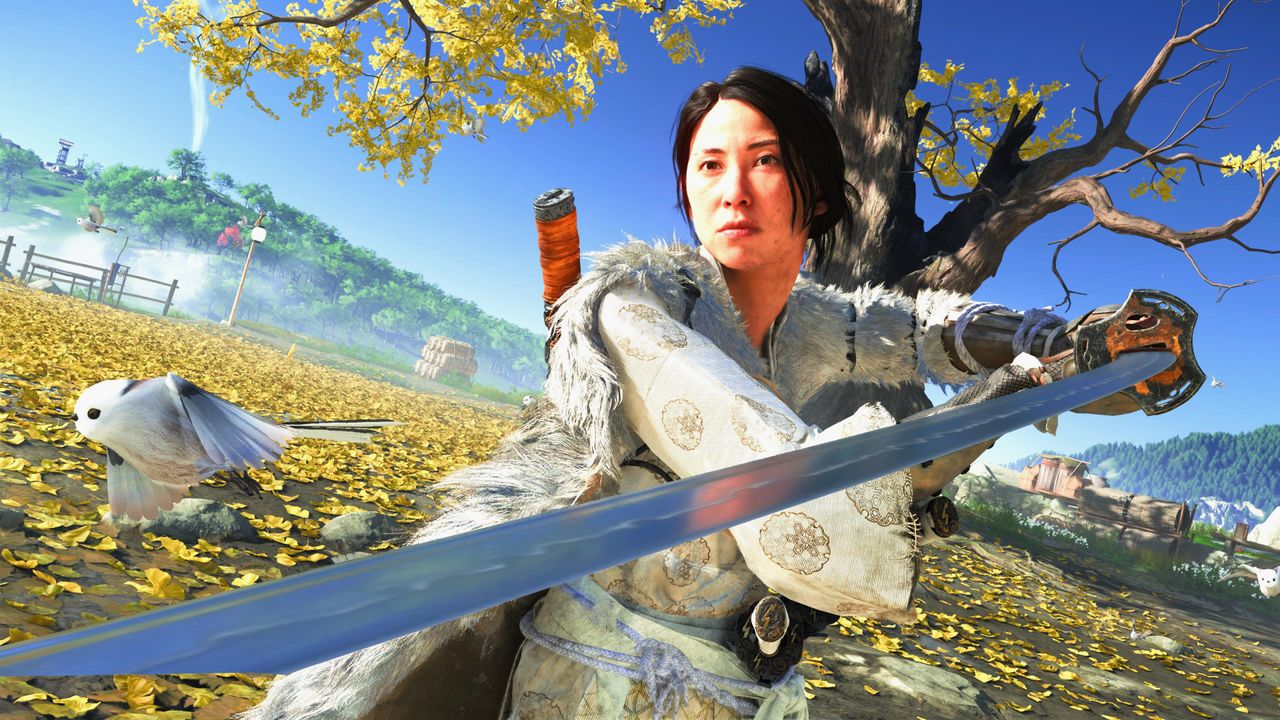
'The future is now' — PS5 user locked out of Ghost of Yotei due to license verification, and this is why Sony's…
TechRadar
Dawn
TechnologyJul 15, 2026 · 1 min
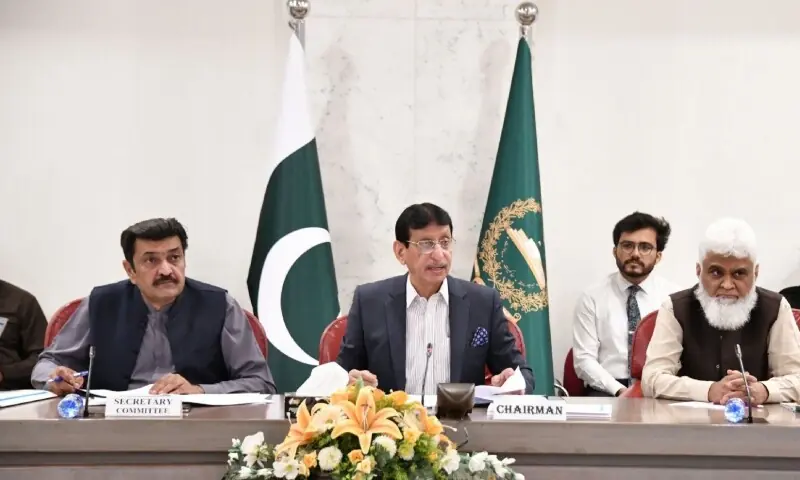
Internet quality poor even in major cities, NA panel told
Dawn
TechRadar
TechnologyJul 15, 2026 · 1 min
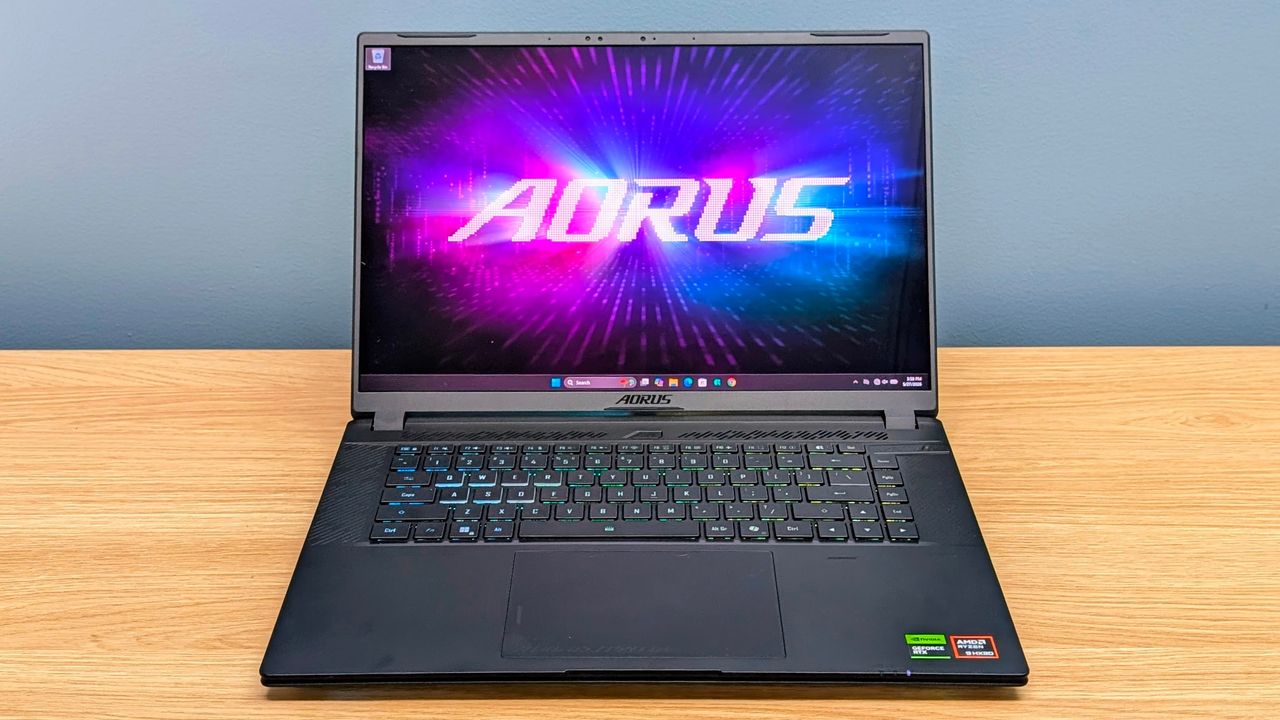
Gigabyte Aorus Master 16 Gen 2 review: full-power RTX 5090 performance in a slim 16-inch chassis
TechRadar