Indian Express
Air India crash: Pilot-blame narrative affecting witnesses, Supreme Court told
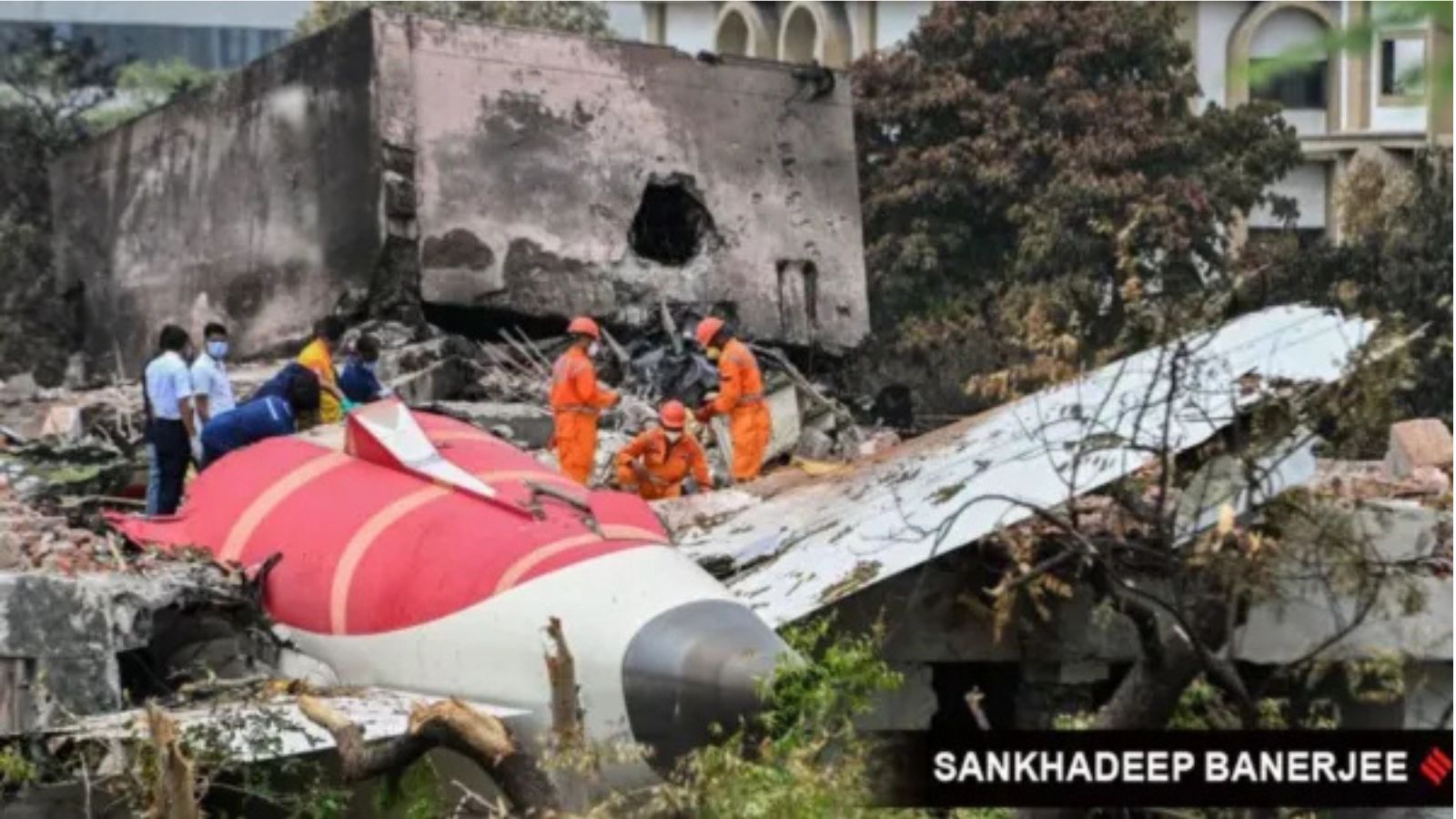
The Aircraft Accident Investigation Bureau (AAIB), which is investigating the Air India Dreamliner crash in Ahmedabad last year that killed 260 people, has told the Supreme Court that the “media speculation and narrative attributing blameworthiness to the pilots” for the June 12 incident have made some witnesses “restrictive and non‑responsive”.
In an affidavit filed on July 11, the AAIB director general said that investigators are currently at the stage of “evidence collection, technical examination and forensic examination which is the core fact-finding stage” and that the probe “in all probability” is “anticipated to be completed within approximately six weeks”. The draft final report is expected to be ready approximately in October 2026, it added.
The affidavit was filed in response to a plea by Pushkar Raj Sabharwal, the father of one of the pilots who was flying the aircraft and lost his life in the tragedy.
The Bureau said that as part of the probe, the investigators can access and examine any aircraft and its components involved in the accident. “This stage ordinarily includes recovery and decoding of the recorders; collection of radar and ATC communications data; meteorological data; maintenance and operational records; crew training records; engine and structural component teardown; avionics and software forensic analysis; and consultation with technical experts and manufacturers, all under the authority and supervision of the IIC (Investigator-in-Charge). This process is ongoing and has not yet reached its conclusion,” it added.
Pilots, crew members interviewed
The affidavit pointed out that Rule 11(1) of the Aircraft (Investigation of Accidents and Incidents) Rules, 2025, empowers the director general to appoint an IIC and one or more investigators to investigate an aircraft accident or serious incident.
In the present case, the affidavit said, the director general has appointed Sanjay Kumar Singh as investigator-in-charge, Jasbir Singh Larhga as chief investigator, Vipin Venu Varakoth as investigator, Veeraragavan K as investigator, and Vaishnav Vijayakumar as investigator.
“In addition, experienced pilots, engineers, aviation medicine specialists, aviation psychologists and flight recorder specialists have been engaged as subject matter experts to assist the investigation team in their respective domains,” the affidavit added.
Story continues below this ad
It said that as part of the evidence collection, “the investigation team has, consistent with this methodology and as part of the ongoing investigation, conducted interviews with various categories of witnesses including pilots of Air India in the Boeing 787 fleet, crew who have flown with the pilots of the accident aircraft, technical personnel involved in preparation of the aircraft, ATC personnel, meteorological personnel, human factors and CRM [crew resource management] specialists, and has also approached the families of the flight crew at their residences in the early stages of the investigation…”.
The AAIB emphasised that it is only the “final report, and not the preliminary report, that will establish what happened, how it happened, and why it happened”.
Cockpit voice recordings can’t be disclosed
The Bureau added that “media speculation and narrative attributing blameworthiness to the pilots have, regrettably, caused some witnesses to become restrictive and non-responsive, which is precisely the kind of prejudice to the investigation that the confidentiality protections under Rule 17 of the Rules, 2025 are designed to prevent.”
The affidavit also said that except if the central government otherwise decides, Rule 17(1) bars the disclosure of “(a) all statements taken from persons by the investigation authorities in the course of their investigation; (b) all communications between persons having been involved in the operation of the aircraft; (c) medical or private information regarding persons involved in the accident or incident; (d) cockpit voice recordings and transcripts from such recordings; (e) recordings and transcriptions from air traffic control units; (f) cockpit airborne image recordings and any part or transcripts from such recordings; and (g) opinions expressed in the analysis of information, including flight recorder information”.
Story continues below this ad
Opposing the prayer for direction to furnish cockpit voice recordings, the Bureau said, “Rule 17(5) specifically and separately provides that the audio content of cockpit voice recordings as well as image and audio content of airborne image recordings shall not be disclosed to the public. This is an absolute statutory prohibition.”
The AAIB added that such protections serve a critical purpose. “…they preserve the candour of witnesses, the independence of investigators, the integrity of the no-blame investigation process, and India’s international obligations” under the Chicago Convention on International Civil Aviation.
The affidavit said that if witnesses and persons involved in aircraft operation know that their statements may be disclosed in litigation or public proceedings, they will become guarded or unwilling to cooperate, thereby defeating the very purpose of the safety investigation.
“Furthermore, Rule 17(3) provides that the final report shall not disclose the names of the persons involved in the accident or incident, reflecting the legislature’s considered intent that the investigation process is not used for purposes of attribution or blame,” the affidavit noted.
View original source — Indian Express ↗
Related stories

The Punch
WorldJul 15, 2026 · 1 min
We’ll report ‘fake’ DG’s arrest to Trump gov’t – Atiku-linked US firm
The Punch
The Punch
WorldJul 15, 2026 · 1 min
Nigerian priest in US dies by suicide after order to return home
The Punch
The Punch
WorldJul 15, 2026 · 1 min
NAF names successful candidates for 2025 recruitment, training begins July 19
The Punch
CNA
WorldJul 15, 2026 · 1 min
People with disabilities, caregivers call for better healthcare and job support as task force weighs recommendations
CNA