Indian Express
Can museums, movies and concerts help you age more slowly? Study links cultural activities to a younger body
5 min readJul 15, 2026 02:08 PM IST
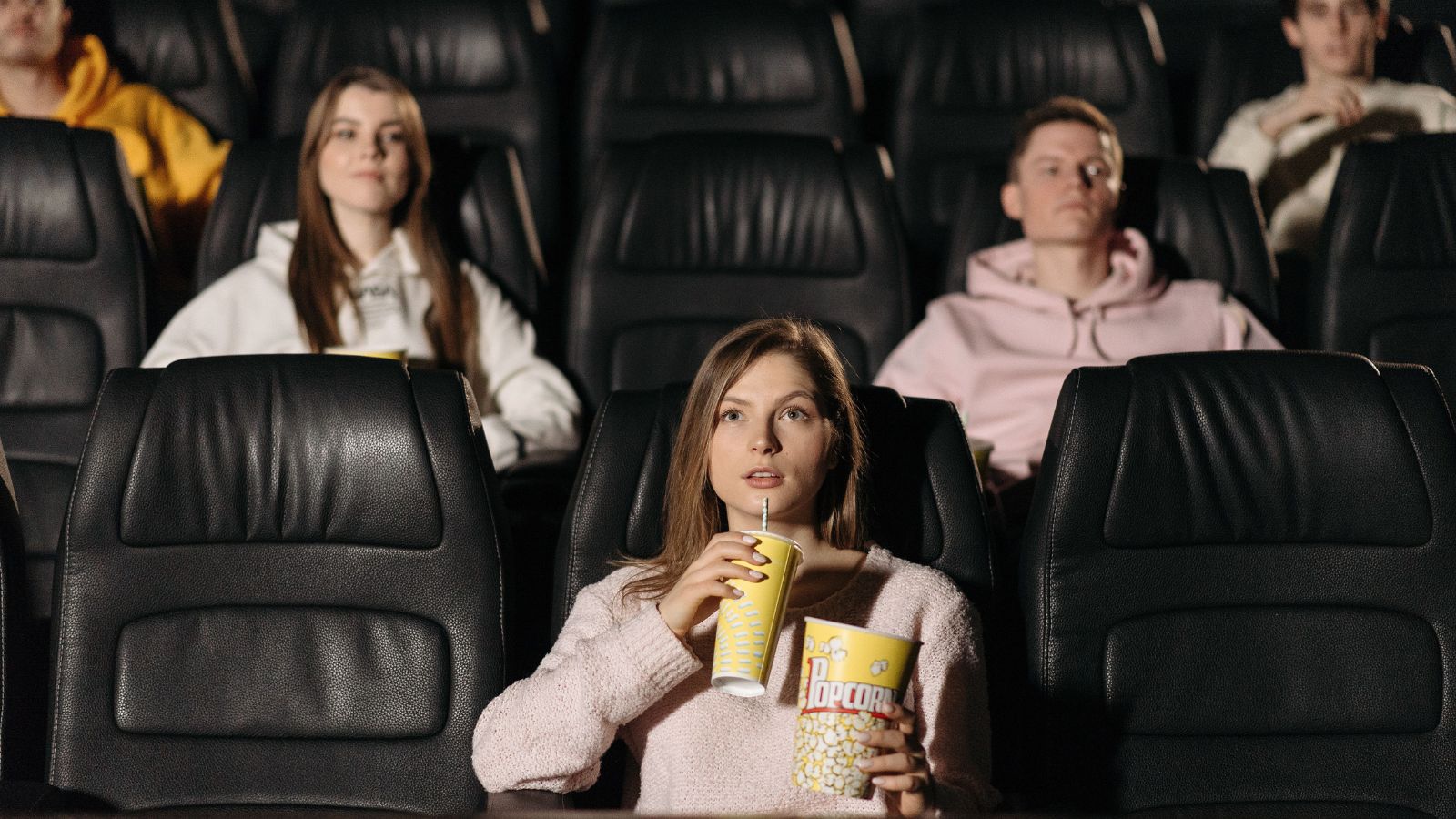
The findings, published in the Journal of Epidemiology and Community Health, add to growing evidence that staying socially and culturally active could play an important role in healthy aging. (Credit: pexels)
People visiting museums, theatres, watching films and enjoying concerts may be doing their health a good turn. A new study suggests these cultural activities are associated with a younger physiological age, meaning the body may function more like that of a younger person.
The findings, published in the Journal of Epidemiology and Community Health, add to growing evidence that staying socially and culturally active could play an important role in healthy aging.
Everyone gets older, but not everyone ages at the same pace. While chronological age simply reflects the number of years a person has lived, physiological age measures how well the body is actually functioning—and it can be younger or older than someone’s calendar age. “Healthy aging is influenced not only by physical health but also by mental, social, and emotional well-being. Activities such as visiting museums, watching plays, attending concerts, or even going to the cinema encourage people to stay socially connected, mentally engaged and physically active, all of which are important for maintaining overall health as we age. While this study shows an association rather than a direct cause-and-effect relationship, it highlights the value of staying engaged with life,” says Dr Prasun Chatterjee, senior consultant, Geriatric Medicine, Indraprastha Apollo Hospitals, Delhi.
What new research shows
Previous research has shown that taking part in cultural activities, such as visiting museums, watching movies, or attending concerts and theatre performances, is associated with better health and well-being in older adults. However, few studies have examined whether these activities are linked to the body’s biological aging process. Now, researchers from the Institute of Science Tokyo in Japan report what they describe as the first longitudinal study to investigate this relationship while accounting for stable, unmeasured factors that could influence the results over time.
The study analysed data from 1,899 participants in the English Longitudinal Study of Ageing, an ongoing, nationally representative study of adults aged 50 and older living in England. Participants provided information during at least two survey waves conducted between 2004 and 2009.
To estimate physiological age, trained nurses assessed 10 health-related measures, including pulse pressure, diastolic blood pressure, lung function, haemoglobin levels, fibrinogen, glycated haemoglobin (HbA1c), low-density lipoprotein (LDL) cholesterol, body mass index (BMI), grip strength, and walking speed. These measures were combined to generate an overall physiological age score.
Participants also reported how often they engaged in three types of cultural activities: visiting the cinema, going to museums or art galleries, and attending theatre performances, concerts, or the opera. Each activity was scored from 0 (never) to 5 (twice a month or more), resulting in a total cultural engagement score ranging from 0 to 15.
Story continues below this ad
More cultural engagement, younger physiological age
Adults who participated in cultural activities at least every few months had an average physiological age of 66.9 years. By comparison, those who took part less frequently had an average physiological age of 69.9 years — roughly three years older.
People with higher levels of cultural engagement were also more likely to be women, have a higher socio-economic status, be employed, and report better overall health. Even after accounting for factors such as household income, employment status, and chronic medical conditions, the association remained. Each one-point increase in the cultural engagement score was linked to a 0.085-year (about 31-day) decrease in physiological age.
Why might cultural activities make a difference?
The researchers suggest several possible reasons for the association. Participating in cultural activities may strengthen social relationships, encourage healthier lifestyle habits, and improve mental well-being—all of which have been linked to healthier aging. However, because the study was observational, it cannot prove that cultural activities directly slow the ageing process. The researchers also acknowledge the possibility of reverse causation, meaning that people in better health may simply be more able to attend cultural events.
“Indeed, cultural involvement and meaningful engagement impact grip strength, gait speed and heart rate. For older adults, cultural activities can provide cognitive stimulation, reduce feelings of loneliness, improve mood and encourage regular movement outside the home. These help preserve independence and quality of life. They should be seen as part of a balanced lifestyle that also includes regular exercise, a nutritious diet, adequate sleep, and management of chronic health conditions,” says Dr Chatterjee.
Story continues below this ad
It is important to remember that healthy aging does not depend on any single activity. “People should choose hobbies and social engagements they genuinely enjoy, whether that involves cultural events, community groups, reading, music, or volunteering. Creating more accessible and affordable opportunities for older adults to participate in such activities could have meaningful benefits for their overall well-being,” he adds.
© The Indian Express Pvt Ltd
View original source — Indian Express ↗
Related stories

Philippine Daily Inquirer
HealthJul 15, 2026 · 1 min
Fishers, residents seek DENR probe into Batangas cement factory
Philippine Daily Inquirer
Times of India
HealthJul 15, 2026 · 1 min
Delhi HC seeks govt's response on plea seeking medical intervention for Sonam Wangchuk
Times of India
Indian Express
HealthJul 15, 2026 · 1 min
Nafisa Ali Sodhi on taking ‘bone immunity injections’ after chemotherapy; experts explain role
Indian Express
Times of Israel
HealthJul 15, 2026 · 1 min
Letters written by Auschwitz doctor offer rare look at wartime family ties
Times of Israel