Indian Express
The bittersweet realities of the India-UK FTA
The India-UK FTA was able to protect the baseline trade volume, but it might not be enough to cushion the blow when the world's largest consumer blocs simultaneously turn inward to insulate their domestic industrial bases
6 min readJul 15, 2026 03:56 PM IST
First published on: Jul 15, 2026 at 02:36 PM IST
Written by Anisree Suresh
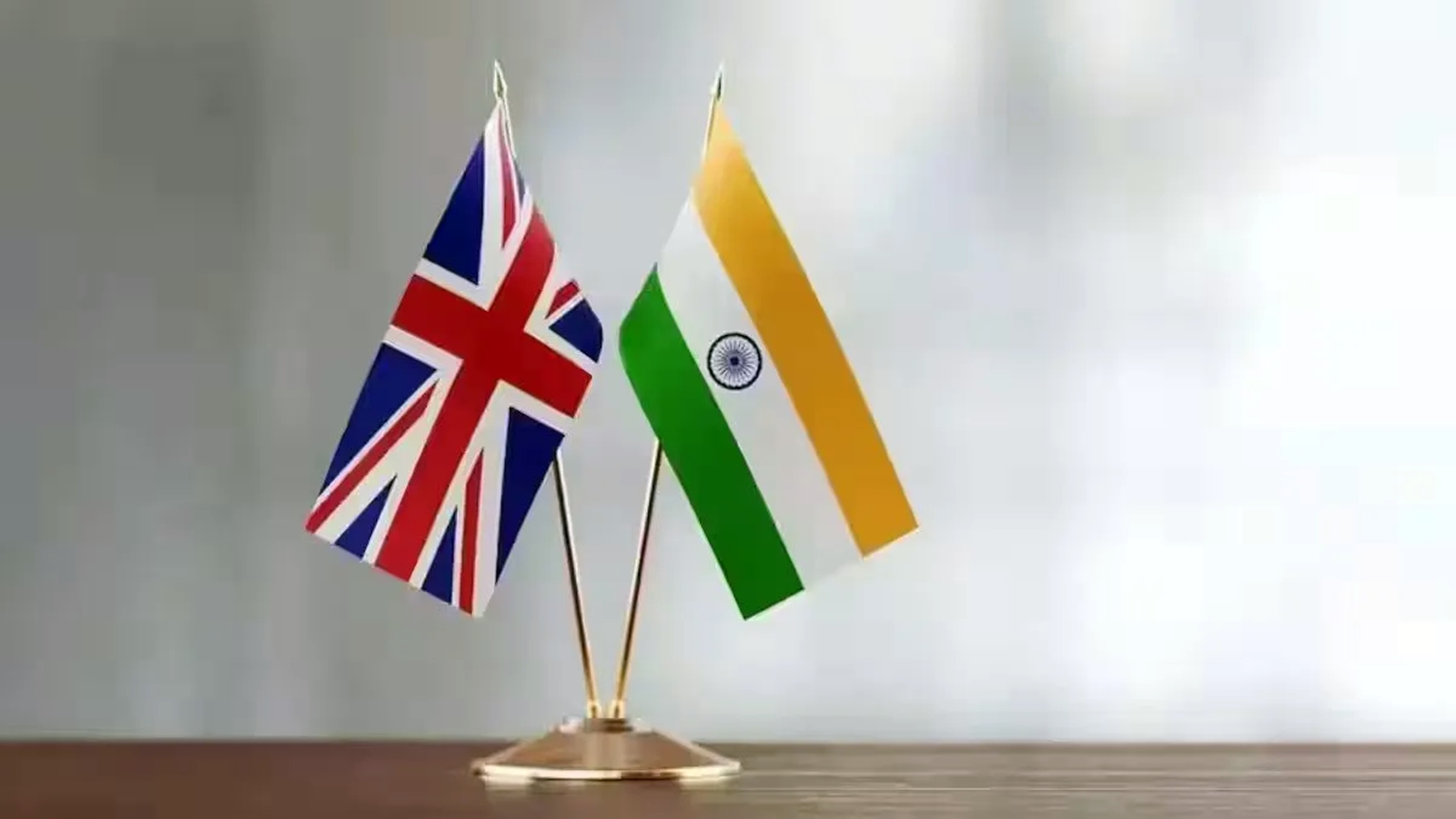
Despite the turbulence of recent leadership transitions under Prime Minister Keir Starmer in London and last-minute friction over steel protectionism, India and the UK are finally putting their historic Free Trade Agreement (FTA) into motion from July 15. India was able to carve out an 85 per cent exemption for India’s baseline exports at the eleventh hour, just days ahead of the UK’s new steel trade measures hitting on July 1. Two bittersweet realities reveal the structural limits of this FTA corridor.
First, while the 85 per cent volume exemption for India’s existing steel trade with the UK applies, the simultaneous rollout of the EU’s compressed steel import limits from July 1 undermines the UK’s potential to serve as a tariff-free safe haven for Indian steel exports squeezed out of Europe.
Second, the upcoming UK Carbon Border Adjustment Mechanism (CBAM) is entirely omitted from the core treaty protections, and New Delhi’s only defensive recourse is the right to impose counter-tariffs. While the market access and export opportunities of modern FTAs remain massive, the new geoeconomic reality of trade deals has become hyper-transactional, defensive, and limited.
The sweet part of the deal is that India secured immediate zero-duty market access across 99 per cent of its tariff lines, slashing duties of up to 12 per cent on textiles and apparel, with 87 per cent of India’s pharma exports gaining immediate duty-free access, and 21.5 per cent tariff cuts on marine exports. Along with that, the agreement on Social Security Contributions (Double Contribution Convention) offers immediate financial relief by exempting temporary Indian IT and engineering assignees from paying dual social security contributions for up to five years.
In return, India will liberalise 90 per cent of its tariff lines, with high-end British cars tariffs cut from 110 per cent to 30 per cent in year one under a quota of 10,000 units and by year five, tariffs for these cars will fall to a flat 10 per cent with a quota of 37,000 annually. Under the initial agreement, concluded in 2025, the steel sector was positioned to benefit from customs duties ranging between 10 and 18 per cent, and was slated to move towards zero-duty access to India’s US$893 million steel trade.
However, the recent pivot in the UK’s steel trade measures rewrites the rules for market access. By cutting global tariff-free import caps by 51 per cent and doubling the over-quota penalty to a 50 per cent tariff, the UK effectively built a tariff wall around its borders on steel. While the EU maintained the largest share of the UK’s steel imports, India consistently held a small but steady market share of 6 per cent. Under this new steel framework, as long as India’s shipments remain within India’s domestic allotment, they clear customs at zero per cent duty.
Given that roughly US$484 million of India’s steel exports consist of semi-finished slabs, raw inputs, and speciality alloy wires that British steelworks lack the capacity to manufacture, the UK removed 11 specific commodity codes (like stainless steel bars and wire rod) from the safeguard scope, allowing such exports from India without any restrictions.
However, the remaining 15 per cent across 188 tariff lines, such as standard Category 1 hot-rolled sheets, are now locked behind a rigid country-specific quota (CSQ) of just 33,456 tonnes per year. If Indian exporters exhaust their dedicated CSQ for the quarter, they will have to compete in a shared global reserve pool against other nations to secure additional shipments at zero duty before the 50 per cent penalty tariff triggers.
While it’s good news that 85 per cent of India’s baseline trade is unaffected under this framework, it becomes a challenge when read alongside the EU’s simultaneous cap from July 1, which limits total global imports to 18.3 million tonnes. Under the new EU regulation, the out-of-quota customs duty, which currently stands at 25 per cent, has been increased to 50 per cent. Under the recent EU country-specific quota announcement, there is a 33 per cent reduction in quota for India’s Hot Rolled Coil (Category 1) steel exports from India’s 3.2 million tonnes of steel exports to Europe, which might be forced to seek alternative destinations.
The India-UK FTA is also now unable to provide a safe haven for the additional steel that might be forced to reroute from Europe. Indian steel exporters have already been facing a global export squeeze, with an 18 per cent tariff on specialised downstream engineering components, and raw commodity steel remains locked behind an unyielding 25 per cent Section 232 tariff wall in the US. Taken together, the India-UK FTA was able to protect the baseline trade volume, but it might not be enough to cushion the blow when the world’s largest consumer blocs simultaneously turn inward to insulate their domestic industrial bases.
Compounding this, the UK’s CBAM is set to take effect on January 1, 2027. India gets some breathing space to strategise its policies towards the UK’s CBAM, as the FTA provides a legal guarantee that India can reciprocate tariffs if the UK introduces carbon tariffs, which could affect India. However, the reality of the new geoeconomic world is that the era of comprehensive and idealistic FTAs is effectively dead.
Borrowing heavily from the US rulebook of tariffs and trade measures, the new world order is shaped by the proliferation of non-tariff barriers and protectionism. This means the modern FTAs no longer guarantee unfettered, comprehensive market access; instead, they are highly transactional and limited in scope. For India, which needs to continue expanding its exports to sustain economic growth, it must aggressively recalibrate its geopolitical and economic leverage to secure exemptions and reliable market access to thrive in the new world order.
The writer is a geoeconomics research analyst at Takshashila Institution. Views are personal
View original source — Indian Express ↗
Related stories

The Punch
WorldJul 15, 2026 · 1 min
Why Oyo kidnap rescue tactics can’t always work in North — Ex-DSS ADG
The Punch

CNA
WorldJul 15, 2026 · 1 min
GovTech cuts 93 jobs in ‘first phase’ of transition to new operating model
CNA
Indian Express
WorldJul 15, 2026 · 1 min
After performance review: Madhya Pradesh minister loses portfolio, CM takes over
Indian Express
The Punch
WorldJul 15, 2026 · 1 min
Police recover illegal gun, ammunition from A’Ibom residence
The Punch