
Portugal Resident
Iranian ambassador to Portugal says Europe’s military build-up ‘fuels war’
Iran’s ambassador to Portugal has defended the new Supreme Leader’s continued absence from public view while launching a broad attack on Western military policy, arguing that Europe’s growing defence spending and network of military bases are driving conflict rather than preventing it.
In an interview with Lusa today, Ambassador Majid Tafreshi said Ayatollah Mojtaba Khamenei remains out of sight since succeeding his father, Ali Khamenei, because of security concerns following the US and Israeli strikes that killed his father, and other family members, in February.
“This is a security issue (…) Our enemies are trying to target innocent people. How can our new leader, who is in a very secure situation, go out? What matters is that he is carrying out his duties.”
The envoy dismissed suggestions that Mojtaba Khamenei’s silence signalled any leadership vacuum, saying the Supreme Leader continues to govern through written messages and official appointments.
“He has already appeared. The international community and the Iranian people are receiving his messages. These are not messages from ChatGPT. He is writing them himself.”
Tafreshi also defended the new leader’s recent pledge to avenge his father’s death, saying it should be viewed in the context of the funeral ceremonies, rather than as a breach of the ceasefire agreed on June 17.
“Iran is abiding by what it signed,” he insisted (in spite of continuing attacks, by both sides). “Once something is signed, it must be honoured. The United States has often ignored and undermined what it has agreed to.”
The ambassador repeatedly accused Washington of violating the ceasefire, alleging that US forces have attacked around 100 Iranian civilian vessels and expanded the conflict into the Strait of Hormuz.
“You should be asking about those who are violating peace and security,” he said. “The United States is the main cause of this violation.”
But it was Tafreshi’s criticism of Europe’s rearmament that was among the interview’s strongest remarks.
“The implication of military bases and a high defence budget in Europe is war,” he said. “One cannot talk about a defence budget without acknowledging that it fuels war.”
He argued that foreign military bases have no place in the Middle East, insisting Iran wants international engagement through trade and investment rather than military deployments.
“If foreigners come, they are very welcome, but for investment, to encourage peace, and not to set up military bases.”
Tafreshi portrayed Iran as a country seeking stability rather than confrontation, claiming it had not initiated attacks against Arab states for two centuries and that recent military action has been directed solely against US bases in the region.
Looking ahead, the ambassador called for renewed diplomacy and a Middle East free of nuclear, chemical and biological weapons, while avoiding direct reference to Iran’s own nuclear programme.
“Iran needs tourists, not terrorists; it needs investment, not attacks and violations,” he said. “What we need is peace and security.”
The interview came amid continuing tensions between Tehran and Washington following the conflict earlier this year, although it was not immediately clear whether the interview had been requested by the Iranian embassy or by Lusa.
Source: LUSA
View original source — Portugal Resident ↗
Related stories

The Punch
PoliticsJul 15, 2026 · 1 min
Ex-Gombe SDP gov candidate defects to PDP, backs Pantami
The Punch

Philippine Daily Inquirer
PoliticsJul 15, 2026 · 1 min
Early look at VP Duterte’s tax, bank docs will avoid trial delay – Tolosa
Philippine Daily Inquirer
BBC
PoliticsJul 15, 2026 · 1 min
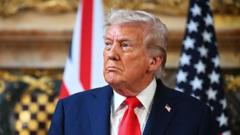
Iran threatens to block more trade routes as US launches fresh strikes
BBC
Times of India
PoliticsJul 15, 2026 · 1 min
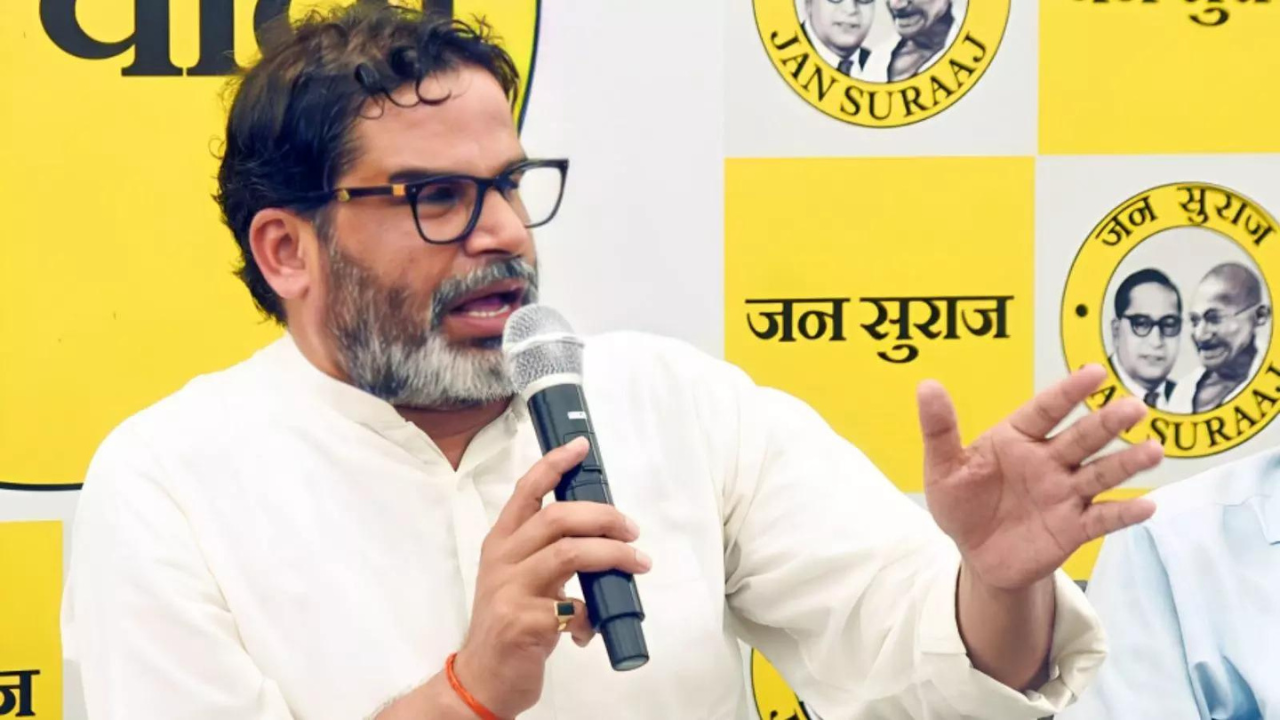
Big setback for Prashant Kishor! 4 Jan Suraaj leaders switch to BJP before Bankipur bypoll
Times of India