
Philippine Daily Inquirer
Only 1 of Marcos' 8 priority bills reaches Palace for signing
MANILA, Philippines — Almost a month after President Ferdinand R. Marcos Jr. called on Congress to convene in a special session, only one of his eight priority bills has been submitted to his office for signature, according to Malacañang.
Palace press officer Claire Castro on Wednesday expressed confidence that Congress can still pass the remaining priority measures of Marcos within the year despite the ongoing impeachment trial of Vice President Sara Duterte and the upcoming budget deliberations season.
“Since these are the President’s priority bills, he is hopeful that they can be fast-tracked because these are really for the benefit of our fellow Filipinos. That is why he wants them passed as soon as possible,” Castro said.
Article continues after this advertisement
According to Castro, out of the eight measures, only the final copy of the proposed Last Mile and Geographically Isolated, Disadvantaged, and Conflict-Affected Areas Schools Act was submitted to Malacañang on June 25.
FEATURED STORIES
NEWSINFO
NEWSINFO
NEWSINFO
Meanwhile, the amendments to the Universal Access to Quality Tertiary Education Act already hurdled the bicameral conference committee deliberations with the Congress on the process of approving the enrolled bill to be submitted to Malacañang.
The bills for the proposed National Center for Geriatric Health Act; Assistance to Individuals in Crisis Situations (AICS) Act; and amendments to the Government Assistance to Students and Teachers in Private Education (Gastpe) Act are all pending bicameral conference committee deliberations.
The three remaining priority legislations were already approved by the House of Representatives, but its counterpart bills were still pending before the Senate:
Amendments to the Masustansiyang Pagkain Para sa Batang Pilipino Act — sponsored in the Senate plenary on June 17, 2026
Anti-Political Dynasty Law — pending Senate second reading period of interpellations
Presidential Merit Scholarship Program — pending with the Senate Committee on Higher Technical and Vocational Education
Marcos issued Proclamation No. 1318 directing the Congress to convene in a special session on June 17 to take up priority legislative agenda that remain pending despite having reached advanced stages of legislation.
Article continues after this advertisement
READ: Marcos calls Congress to hold special session
The special session also enabled the Commission on Appointments to act on pending appointments to key positions in the Cabinet, military, and foreign service to help ensure continuity and stability across government institutions.
Article continues after this advertisement
According to Malacañang, the administration expressed confidence that lawmakers “will set aside political distractions” and focus on passing measures that deliver timely and meaningful support to the Filipino people.
Section 15, Article VI of the 1987 Constitution gives the President authority to call Congress into special session at any time to address urgent matters requiring immediate legislative action.
The House and Senate adjourned the first regular session of the 20th Congress on June 3.
READ: Cabinet approves 2027 national expenditure program
The second regular session of the 20th Congress will convene on July 27, when President Marcos delivers his State of the Nation Address.
The executive branch, led by the Department of Budget and Management, is set to submit the 2027 National Expenditure Program (NEP) to Congress by August, starting the budget deliberations until December.
The Marcos administration is eyeing a P7.2-trillion national budget for 2027, which is equivalent to 21.7 percent of the country’s gross domestic product (GDP).
Your subscription could not be saved. Please try again.
Your subscription has been successful.
The proposed budget for 2027 is 6 percent or P407 billion more than the P6.793-trillion 2026 national budget./gsg
View original source — Philippine Daily Inquirer ↗
Related stories

Portugal Resident
PoliticsJul 15, 2026 · 1 min
Government to revive labour law reform talks before summer break
Portugal Resident
Times of India
PoliticsJul 15, 2026 · 1 min
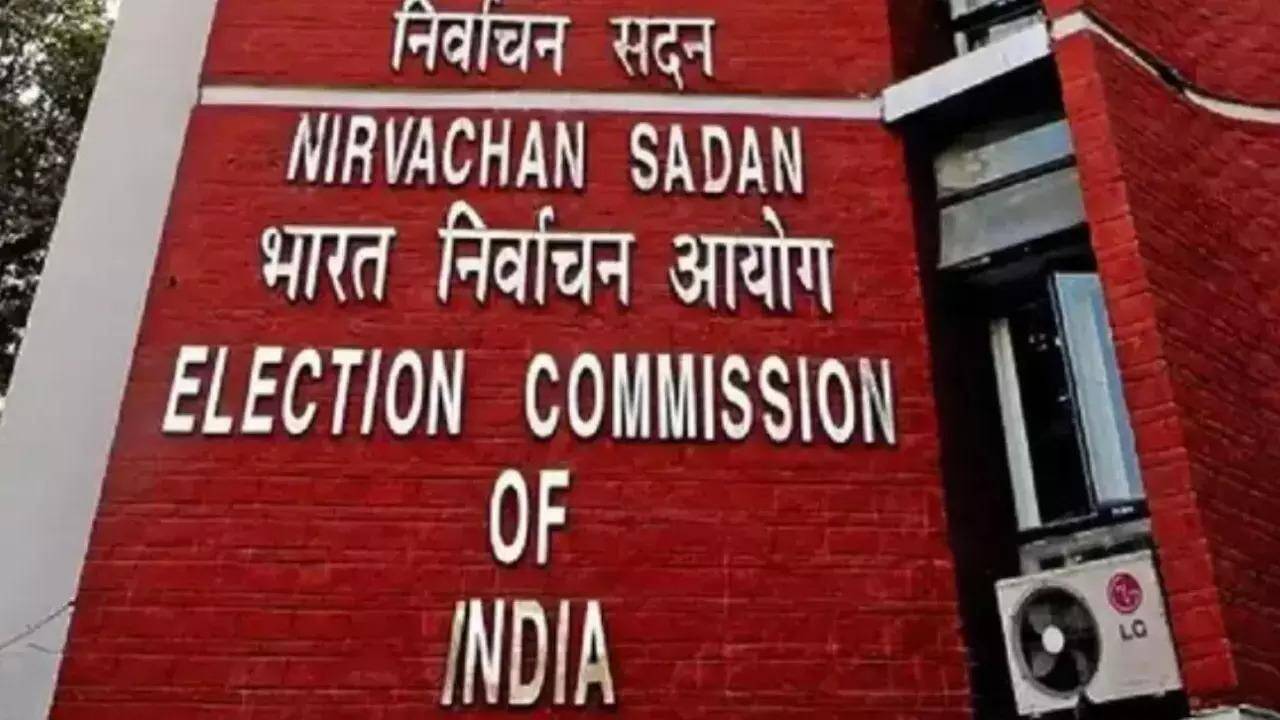
From Delhi to Karnataka: EC releases revised SIR schedule - check new dates
Times of India

The Hill
PoliticsJul 15, 2026 · 1 min
Trump says ICE can’t give up traffic stops: ‘Important and effective’
The Hill
Times of India
PoliticsJul 15, 2026 · 1 min
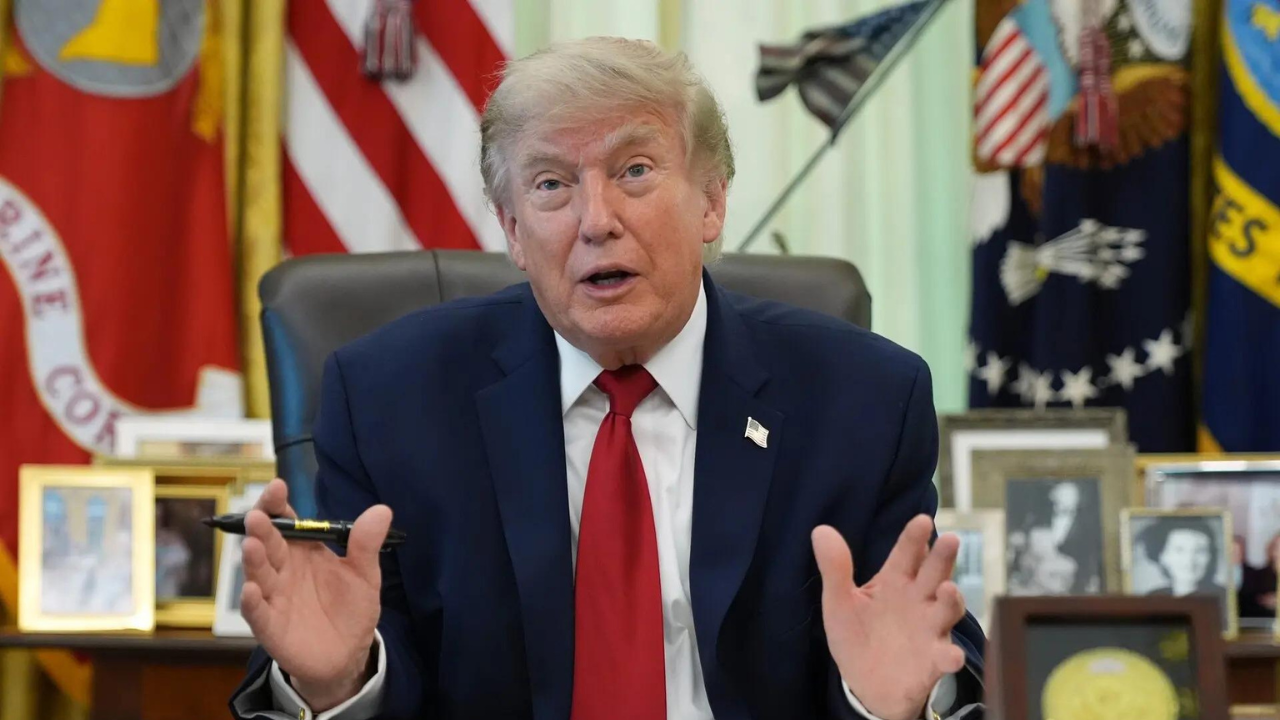
'Next comes bridges, power plants': Trump says US strikes on Iran to escalate in 3 days
Times of India