Indian Express
5 animals with the most fascinating sleep habits
3 min readNew DelhiJul 15, 2026 05:58 PM IST
Sleep is essential for nearly every living creature, but the way animals get their rest can be wildly different from that of humans. Evolution has equipped different species with remarkable adaptations that allow them to sleep while avoiding predators, survive harsh environments, or continue long migrations. From birds that nap in the sky to turtles that breathe through their rear end during hibernation, these are some of the most fascinating sleep strategies in the animal kingdom.
1. Alpine swifts: Birds that sleep while flying
During their months-long migrations between Europe and Africa, Alpine swifts can remain airborne for extended periods. Research suggests they take brief naps lasting just a few seconds while gliding at high altitudes. This allows them to conserve energy without interrupting their migration. Scientists believe these micro-sleeps are possible because the birds spend much of their time soaring rather than actively flapping, making short bursts of sleep feasible without losing control of flight.
2. Ducks: One half of the brain sleeps at a time
Many duck species have mastered unihemispheric slow-wave sleep, in which one hemisphere sleeps while the other remains awake. The open eye keeps watch for predators while the sleeping half of the brain gets the rest it needs. Ducks positioned on the outer edge of a flock remain more alert than those safely tucked into the middle, showcasing an impressive survival strategy.
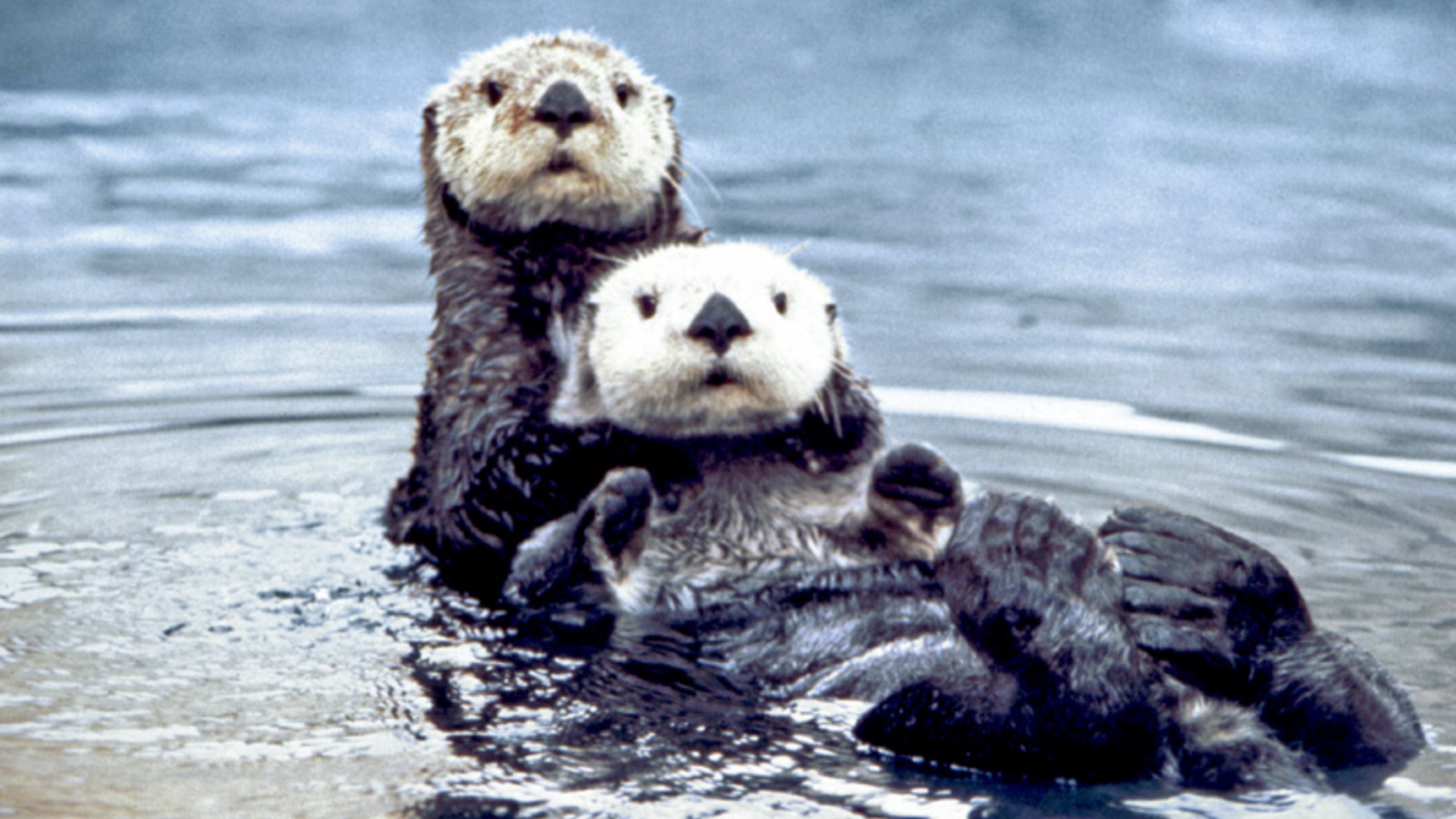
3. Sea otters: Sleeping while holding hands
Sea otters often sleep floating on their backs in coastal waters. To keep from drifting apart in strong currents, they often hold paws or wrap themselves in kelp, which acts as a natural anchor. This behaviour helps family groups stay together while they rest and prevents individuals from drifting into dangerous open waters.
4. Sperm whales: Vertical power naps
Sperm whales have one of the most unusual sleeping postures in the animal kingdom. They often sleep almost motionless in an upright, vertical position, with their heads pointing toward the surface. These naps usually last less than 20 minutes and occur close to the water’s surface.
5. Freshwater turtles: The surprising “butt breathing” sleepers
Some freshwater turtles, including Australia’s Fitzroy River turtle and Murray River turtle, spend long periods underwater during winter hibernation. While asleep, they dramatically reduce their metabolism and obtain much of the oxygen they need through cloacal respiration—absorbing oxygen-rich water through specialised sacs connected to the cloaca, an opening at the rear of the body. Although popularly described as “breathing through their bums,” the process is actually a sophisticated adaptation that enables the turtles to remain submerged for weeks or even months without regularly surfacing for air.
Explore more captivating stories about pets and animals here, and make us your daily stop for the latest from the animal kingdom.
View original source — Indian Express ↗
Related stories

The Hollywood Reporter
EntertainmentJul 15, 2026 · 1 min
UTA Promotes James Wright Co-Head of Its U.K. Music Group
The Hollywood Reporter

Rolling Stone
EntertainmentJul 15, 2026 · 1 min
Gracie Abrams Turns An Intimate Album Release Show Into a Glorious Homecoming
Rolling Stone

Variety
EntertainmentJul 15, 2026 · 1 min
‘I Play Rocky’ Trailer: Anthony Ippolito Becomes Sylvester Stallone in This Inside Look at the Making of a Movie Classic
Variety

The Hollywood Reporter
EntertainmentJul 15, 2026 · 1 min
The Great Facial Filler Backlash: “It Got Carried Too Far”
The Hollywood Reporter