
Rolling Stone
Watch Peter Cetera and All His Replacements Sing Chicago’s ’25 or 6 to 4′ Across Six Decades
Skip to main content
Through the Years
Chicago has wrapped up just about every show they’ve ever played with this 1970 classic, even as they’ve changed their lineup more often than an NBA team
July 15, 2026
Chicago is not a band with a shortage of hit songs. Their long run of chart success started with their 1969 debut single “Questions 67 and 68,” and continued all the way to 1988 when they reached the top of the Hot 100 with “Look Away.” But if you had to pick a single song that embodies the band, it would be 1970’s “25 or 6 to 4.” It’s been the grand finale of just about every concert they’ve played over the last half-century, it gives every member of the large group moments to shine, especially the horns, and the crowd would likely revolt if they went home without hearing it.
“25 or 6 to 4” has a very odd title, but it’s not a song with a lot of hidden meaning. Chicago singer-keyboardist Robert Lamm wrote it in the middle of the night, sitting cross-legged on the floor, trying to create a song. When he looked at the clock, it was 3:34 or 3:35 AM. In other words, it was 25 or 26 minutes until 4:00 AM. The song is about the process of writing the song.
Unlike “Saturday in the Park” and many other Chicago classics, Lamm didn’t sing lead on “25 or 6 to 4.” He passed it onto bassist Peter Cetera since it was a perfect fit for his tenor voice, years before he became the face of the band thanks to soft-rock staples like “If You Leave Me Now,” “Hard to Say I’m Sorry,” and “You’re the Inspiration.”
The huge success of those latter songs, and his weariness with Chicago’s brutal tour schedule, prompted Cetera to leave the band in 1985. In the years that followed, they changed their lineups more often than most NBA teams. That means quite a few people have tried their hand at singing “25 or 6 to 4.” Here’s a look at all of them, with quite a few bonus videos of other renditions of the song by Chicago and Chicago alumni, together and apart.
Peter Cetera (1967 – 1985)
Everyone who’s ever sang “25 or 6 to 4” is trying to match Peter Cetera’s renditions from the early days of Chicago. This is even true for Cetera himself much later in life, when his voice simply wasn’t the same as it was in his youth. The vast majority of Chicago’s early gigs are lost to time or available only on shoddy bootlegs, but a professional camera crew was rolling when they played the Tanglewood Music Center in Lenox, Massachusetts, on July 21, 1970. Cetera is obviously very impressive here, but pay attention to guitarist Terry Kath as well. There’s a reason why even Jimi Hendrix was in awe of this guy. And as hard as it was for the other singers to follow Cetera, the guitarists that followed Kath had a task just as challenging.
Jason Scheff (1985 – 2016)
Despite Cetera’s prominence in Chicago’s MTV-era videos and the hits they cut with producer David Foster, this was a band built as a genuine collective without a leader or even a frontman. And so when Cetera bolted in 1985, there wasn’t a thought of dissolving. They just did what they did after Terry Kath’s tragic death in 1977 and brought in someone new. They initially considered Starship’s Mickey Thomas, but wound up going with 23-year-old Jason Scheff because of his youthful enthusiasm, soaring voice, and skills as a bassist. It worked out pretty well since he sang lead on their 1986 hit “Will You Still Love Me?” By the time the band was inducted into the Rock and Roll Hall of Fame in 2016, with Scheff out front singing “25 or 6 to 4,” it truly seemed like he was a Chicago lifer. He’d been in the group for 31 years at that point, practically twice as long as Cetera lasted, and he’d even participated in the interviews for their career-spanning documentary, Now More Than Ever: The History of Chicago. But the band announced he was leaving later in 2016 to deal with family issues. “One day he asked our manager if he could have some time off, and he asked him how much,” Chicago trumpet player Lee Loughnane told Rolling Stone earlier this year. “And he said three or four months. Three or four months? We got gigs booked. We can’t do that. So we looked for somebody else, and Jason went his way and we went ours.”
Jeff Coffey (2016 – 2018)
Just weeks after Chicago were inducted into the Rock and Roll Hall of Fame, they played their first gig with new vocalist Jeff Coffey. “My whole take on the gig was to take Peter’s bass and vocal inflections and approach,” he told Something Else in 2018. “I didn’t realize how good a bass player he was until I started digging into the songs. That man was a wicked player. I took his approach on bass playing and his inflections, the way he would sing songs, because I heard comments that the vocals had taken a different approach phrase wise — so I wanted to get them back to the way they sound on record.” He left the group in January 2018, two days after drummer Tris Imboden parted ways with the group as well. “I left for various reasons,” Coffey told writer Gary Games. “The schedule is very demanding. Those guys tour a lot. It is in many ways very difficult to do anything else. That had something to do with it, but there are other reasons as well. Very good reasons. Some reasons better left un-said.”
Neil Donell (2018 – 2026)
Right after Coffey left Chicago for “reasons better left un-said,” they signed up Canada-based singer Neil Donell. He was 62 at the time, but still had a truly remarkable voice. “Neil’s been with us for eight or nine years now,” Loughnane told Rolling Stone in April. “He’s got a great voice. Everybody in the band is world-class.” The following month, Donell left the band. “I tendered my resignation from the band Chicago on Saturday,” he wrote on Facebook. “It was just time to leave that very unhealthy environment.” The words “very unhealthy environment” led to much speculation in the Chicago fan community, and he eventually posted a follow-up. “I was absolutely not terminated,” he wrote. “I was the one who pulled the plug. But now, as the dust settles, it’s very important to me that people are made aware that there is absolutely no animosity on my part, none whatsoever.” Later still, when asked for elaboration by fans on Facebook, he wrote, “certain behaviors I witnessed and experienced behind the scenes made the decision rather easy actually. There is a culture that exists behind the curtains so-to-speak that possess a number of attributes consistent with ‘arrested development,’ that I never share nor embrace on any level…troubling value systems inconsistent with my own.”
Rudy Cardenas (2026 – Present)
Chicago always has a very busy touring schedule, and it didn’t take them long to bring Rudy Cardenas into the “very unhealthy environment” that Donell left with “absolutely no animosity.” He’s been there for the last couple of months, and he sings the shit out of “25 or 6 to 4” every single night. At this point, however, the only remaining OG member of Chicago is Loughnane. One could argue that former Chicago drummer Danny Seraphine’s group California Transit Authority is just as legit since they also have just one founding member. If you wanna see them play “25 or 6 to 4,” head here. That’s Travis Davis on lead vocals. If Cardenas ever leaves Chicago, maybe they should give him a call.
Bonus Video 1: The 1986 Remix
Shortly after Jason Scheff joined the band for 1986’s Chicago 18, the group made the somewhat baffling decision to record a new version of “25 or 6 to 4” with producer David Foster. Scheff does his best Cetera impression, but nobody in 1986 was dreaming of a slick, slow “25 or 6 to 4.” It peaked at No. 48 on the Hot 100, and was quickly forgotten.
Bonus Video 2: Lee DeWyze on ‘American Idol’
Remember Lee DeWyze? He won the ninth season of American Idol. That was the weird, one-off season in 2010 where Ellen DeGeneres was a judge. During the finale, DeWyze played “Does Anybody Really Know What Time It Is?,” “If You Leave Me Now,” and, of course, “25 or 6 to 4” with Chicago. A year earlier, Adam Lambert secured a very long and lucrative gig with Queen after playing with them on Idol. DeWyze has yet to join Chicago, but who knows what the future holds?
Bonus Video 3: Earth, Wind & Fire’s Philip Bailey
As we explained last month, the parallels between Chicago and Earth, Wind, & Fire are pretty eerie. They’ve also toured together many times over the past two decades since there’s so much audience overlap, and they have trouble filling large amphitheaters on their own. The shows often end with a giant mashup of the two groups, and songs from both catalogs. As always, they wrap up the night with “25 or 6 to 4.” EWF lead singer Philip Bailey has duetted with several Chicago singers on it, and it’s always fantastic.
Bonus Video 4: Jason Scheff & Jeff Coffey Unite
Jason Scheff left Chicago 10 years ago, but that doesn’t mean he stopped playing the songs. He was part of a crazy tour in 2019 where he joined forces with Todd Rundgren, Micky Dolenz, Christopher Cross, and Badfinger’s Joey Molland that was centered around songs from the Beatles’ White Album and their own careers — including “25 or 6 to 4.” And in 2020, he teamed up with Jeff Coffey to play the song on the 70s Rock and Romance Cruise. This was a very rare union of two Chicago singers on the same stage, and thankfully it was captured on video.
Bonus Video 5: Peter Cetera Solo
Peter Cetera hasn’t played with Chicago a single time since they split in 1985. The closest they came was 2016 when they were inducted into the Rock and Roll Hall of Fame together. But Cetera wanted them to lower “25 or 6 to 4” into a different key to accommodate his decreased vocal range. “He wanted to drop it down from A to E,” Robert Lamm told Rolling Stone. “So it’s a big jump. And normally, if it’s just a four-piece band you can do it, but with horns, you got to transfer those… It’s not something that we wanted to do for a one-off.” In the end, Cetera didn’t even attend the ceremony, let alone play with the band. And two years later, he retired from the road as a solo performer. He’s been largely AWOL ever since. But if you want an idea of what “25 or 6 to 4” sounds like dropped down several keys, check out this video from one of his solo gigs in 2017. It’s great seeing Cetera tackle one of his signature tunes, but without horns and in that lower key, it…doesn’t quite work. Let’s just leave it there.
Music
Music Lists
More News
Go to PMC.com
View original source — Rolling Stone ↗
Related stories
Indian Express
EntertainmentJul 15, 2026 · 1 min
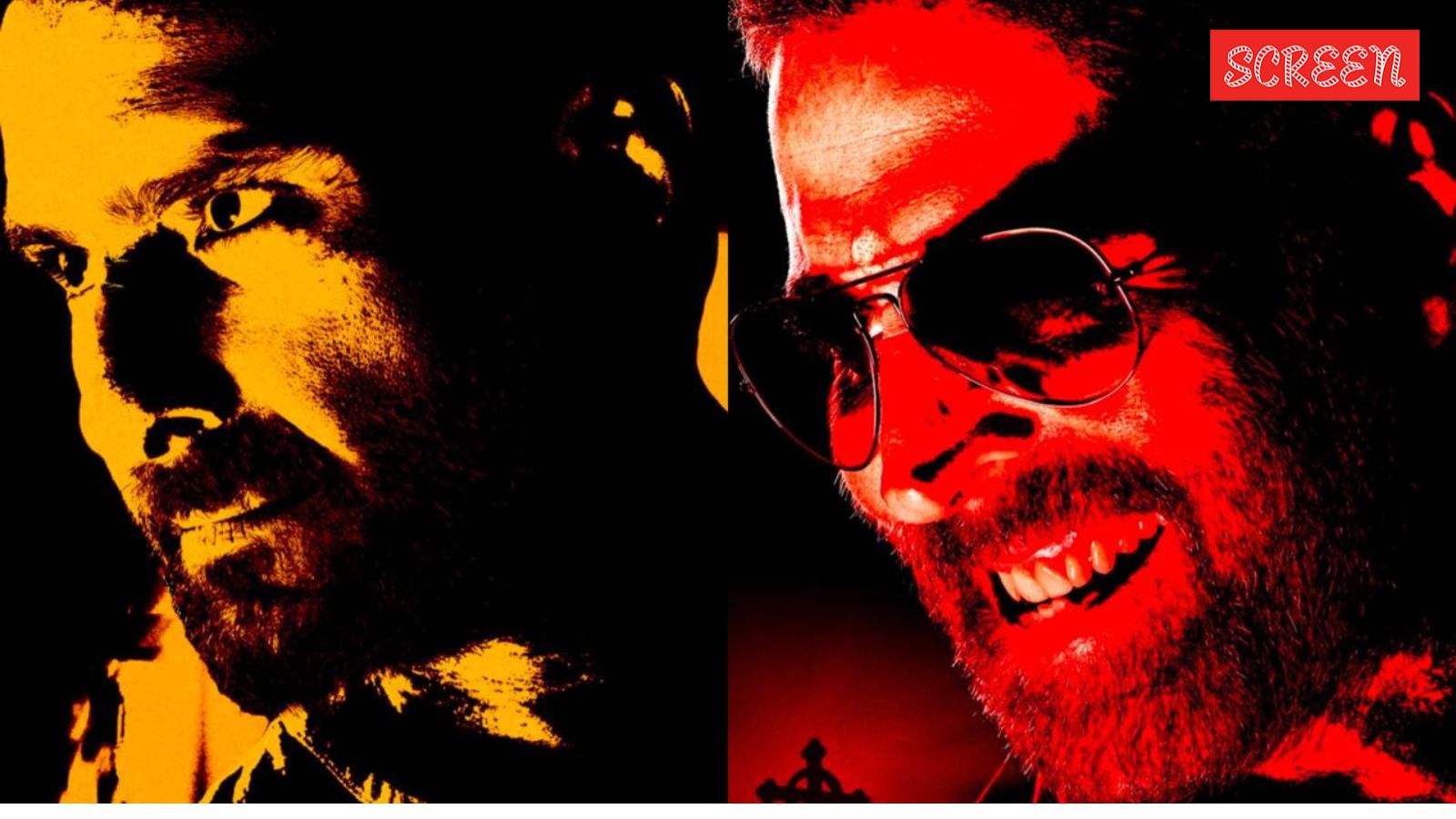
Haiwaan first look: Akshay Kumar smiles with menace, Saif Ali Khan’s eyes do the talking
Indian Express

The Hollywood Reporter
EntertainmentJul 15, 2026 · 1 min
FCC to Vote on Ending Broadcast Station Ownership Cap
The Hollywood Reporter

Variety
EntertainmentJul 15, 2026 · 1 min
Daniel Radcliffe, Young Mazino and Peter Dinklage Join Netflix’s Animated Film ‘Steps’
Variety
Indian Express
EntertainmentJul 15, 2026 · 1 min
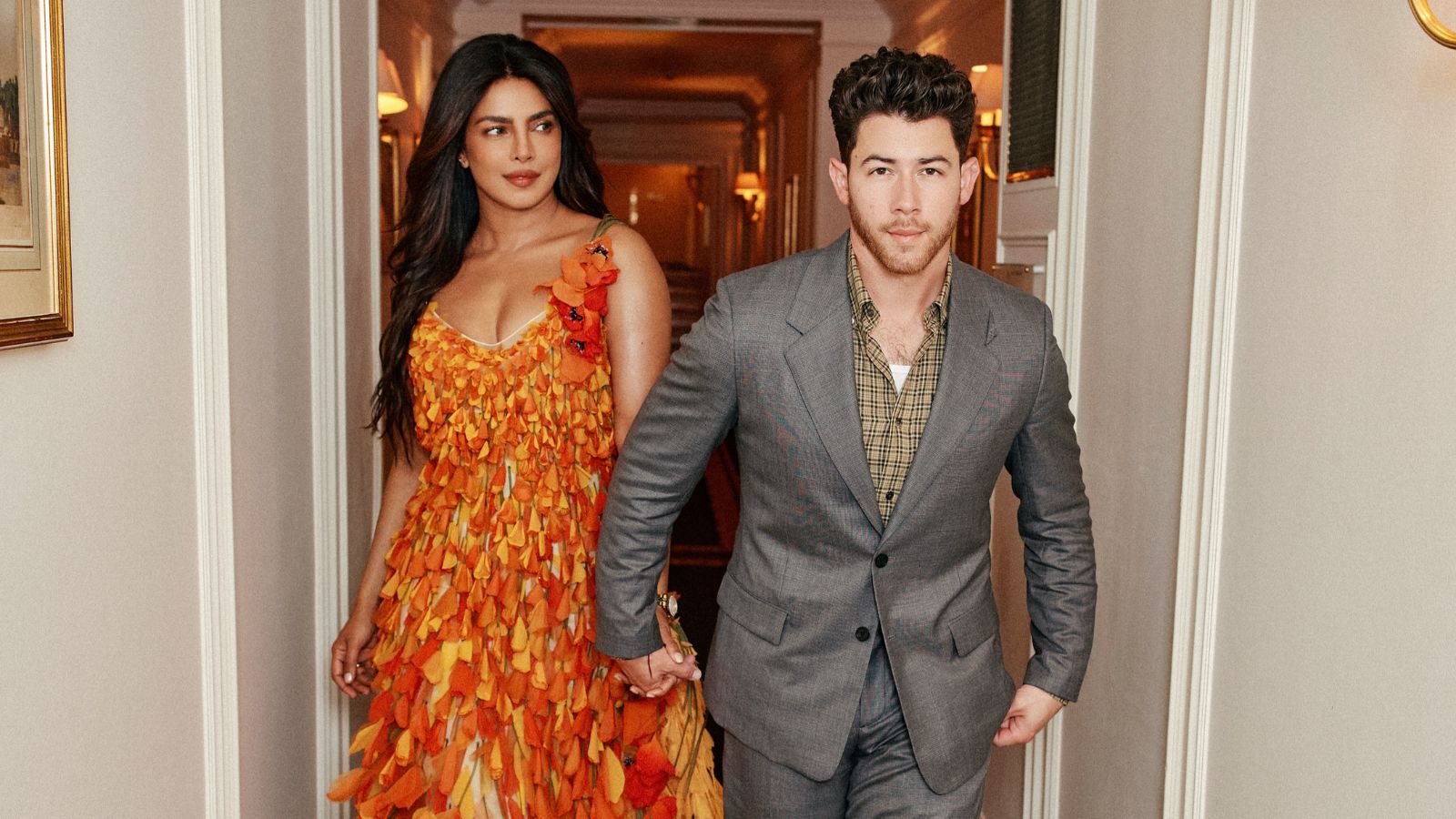
What Nick Jonas and Priyanka Chopra’s Bollywood gossip jokes reveal about their relationship
Indian Express