BBC
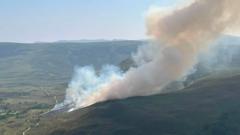
Wildfire breaks out in Highlands as people urged to 'close windows and doors'
The capercaillie is a native species that became extinct in Britain in the mid-18th Century but were reintroduced in Perthshire in 1837.
Earlier this year the Scottish government announced an emergency plan to boost numbers in the Cairngorms.
Breeding male capercaillies have increased by by 50% since 2020, but numbers had declined as a result of habitat loss, eggs being eaten and the birds flying into deer fences.
Ospreys are migratory birds and some fly more than 3,000 miles (4,828km) from west Africa to breed in Scotland.
In 1954, Loch Garten had the first confirmed pair of breeding ospreys since the species went extinct in the UK in 1916 due to habitat loss and persecution.
Ross Ewing, from Scottish Land and Estates, said the incident was "clearly serious and fast-moving" and urged members of the public to keep routes clear for emergency vehicles.
He also encouraged landowners and land managers to take precautionary measures including the readying of specialist fire equipment.
Staff at Glenmore Outdoor Centre, which is near the blaze, asked people not to travel to the area.
They said: "Follow official advice from Scottish Fire and Rescue Service, and be patient with staff while the ongoing situation is managed appropriately."
A spokesperson for the Cairngorms National Park Authority said the fire was "deeply concerning".
They added: "This incident – alongside wildfires we are seeing across the UK this week – serves as a stark reminder of the risks that periods of drier, hotter weather can pose."
It comes as the Scottish Fire and Rescue Service and the Scottish Wildlife Forum have issued a wildfire warning for central Highlands, southern and eastern Scotland from Wednesday, lasting until next Monday.
Temperatures are expected to reach 28C on Wednesday around Fort William, with very dry weather forecast for the rest of the week especially in central and western areas.
The fire service's wildfire tactical adviser, Kevin Dingwall, said that many people will be outdoors enjoying the weather this week and urged them to take "simple steps" to prevent fires from starting.
He said: "Hot, dry conditions increase the risk of wildfire across Scotland. Even if a warning is not in place where you live, we ask everyone to stay vigilant.
"Wildfires can destroy property, landscapes and wildlife. That's why it's so important that everyone takes extra care during these conditions.
"Avoid lighting outdoor fires or barbecues in affected areas, and remember that a single spark can cause significant damage. There is no such thing as a harmless fire.
"You can help by sharing wildfire warnings with your family, friends, and any visitors."
If you see a large outdoor fire, call 999 immediately. Give the location and any other relevant information so fire crews can respond quickly.
Related stories

France 24
ScienceJul 15, 2026 · 1 min
Following years of wildfires, Europe must 'diversify landscapes, develop land management strategies'
France 24

Euronews
ScienceJul 15, 2026 · 1 min
Greenland research centre halts new collaborations with US to protect its scientists
Euronews

RNZ
ScienceJul 15, 2026 · 1 min
Climate response bill unlikely to pass before election, minister says
RNZ

Times of India
ScienceJul 15, 2026 · 1 min
SpaceX shares fall below IPO price for first time, wiping out post-listing gains
Times of India