
The Hill
Trump restarts ‘vicious cycle’ on Iran
Close
The latest in politics and policy.
Direct to your inbox.
Sign up for the Energy and Environment newsletter
Energy & Environment
Your feedback matters to us.
The Big Story
Experts say latest attacks may not get better result
President Trump is returning to war in an attempt to break Iran’s grip over the Strait of Hormuz, though the previous round of conflict didn’t get major concessions from Tehran.
Amirhosein Khorgooi/ISNA via AP
Experts told The Hill there’s little reason to expect a different outcome as the “vicious cycle” begins again, leaving Trump with limited options as he faces growing concerns over depleted oil reserves and weapons stockpiles.
Trump is looking to turn up the pressure against Tehran, with the U.S. military launching four rounds of strikes inside Iran last week, hitting more than 300 targets in retaliation for Iran’s targeting of commercial vessels trying to transit the strait.
He announced Monday the naval blockade on Iran is back in place, along with a 20 percent toll on all cargo passing through the waterway to reimburse the U.S. for security — a proposal he walked back Tuesday, saying the leaders of other countries lobbied against it.
Brett Erickson, a geopolitics expert and managing principal of Obsidian Risk Advisors, was skeptical the blockade would force the type of concessions Trump is seeking from Iran.
“Since the first blockade failed to achieve America’s key strategic objectives, the burden is on Washington to explain why the second will,” Erickson told The Hill. “Based on the current balance of leverage, there is little evidence to suggest this campaign will end any differently.”
Read more here, from The Hill’s Filip Timotija and Mallory Wilson
Welcome to The Hill’s Energy & Environment newsletter, I’m Rachel Frazin — keeping you up to speed on the policies impacting everything from oil and gas to new supply chains.
Essential Reads
How policy will affect the energy and environment sectors now and in the future:
Thousands of visitors were told to evacuate a remote Minnesota wilderness area accessible only by boat as wildfires send dangerously heavy smoke over the U.S. Midwest and Northeast this week.
(NEXSTAR) – Wildfires burning in Canada and Minnesota sent smoke blowing over a huge swath of the U.S. on Wednesday, giving the sky an apocalyptic haze. The smoky skies are likely to linger – and even worsen – in the next couple days before there’s a chance of improving.
President Trump bashed New York Governor Kathy Hochul (D) over the state’s first-ever statewide freeze on new “hyperscale data centers,” calling it a “terrible decision.”
What We’re Reading
News we’ve flagged from other outlets touching on energy issues, the environment and other topics:
Air quality worsens in Upstate NY as wildfire smoke pours in from Canada, Minnesota (Syracuse.com)
What Others are Reading
Two key stories on The Hill right now:
Defense Secretary Pete Hegseth on Wednesday announced a new effort to annually screen service members’ testosterone levels and offer testosterone replacement therapy (TRT), framing it as a way to keep troops on the “leading edge of lethality.” Read more
The U.S. is one step closer to observing daylight saving time year-round after the House passed the Sunshine Protection Act on Tuesday. The bill passed on a 308-117 vote, sending the legislation to the Senate. Read more
You’re all caught up. See you tomorrow!
Tags
Copyright 2026 Nexstar Media Inc. All rights reserved. This material may not be published, broadcast, rewritten, or redistributed.
View original source — The Hill ↗
Related stories

The Punch
PoliticsJul 16, 2026 · 1 min
‘CBN may hike rates as election spending pressures rise’
The Punch
The Punch
PoliticsJul 15, 2026 · 1 min
How we’ll stop governors from hijacking state police — Senate leader
The Punch
The Guardian
PoliticsJul 15, 2026 · 1 min
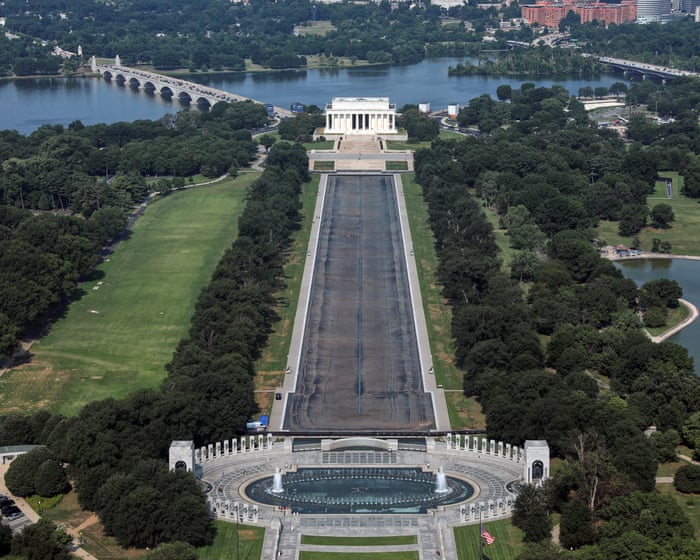
Drained reflecting pool reveals Trump’s ‘American flag blue’ liner is now closer to gray
The Guardian

The New York Times
PoliticsJul 15, 2026 · 1 min
FBI Evidence Team Visits Lincoln Memorial Reflecting Pool
The New York Times