Indian Express
‘Water sacred for Hindu, Muslim, Christian’: Court stops Andhra village pond excavation
Underlining the shared reverence for water in Hinduism, Christianity and Islam, the Andhra Pradesh High Court has quashed official orders permitting excavation from village ponds for a National Highway project, stating that water bodies are “critical public assets”.
Justice Maheswara Rao Kuncheam was on July 15 hearing a writ petition by four farmers from Kothapalem village in Vizianagaram district challenging the district collector’s 2022 orders allowing concessionaires engaged in the NH-130CD project to excavate sand from ponds and other water bodies.
“Water…has always been regarded as a sacred and life-sustaining resource across the world’s major religions, reflecting the essence of the Doctrine of Public Trust… The water bodies of Andhra Pradesh comprising tanks, ponds, reservoirs, lakes, rivers, streams, foreshore areas, irrigation channels, canals and drains including reservoir bunds, tank bunds, canal/channel banks are critical public assets. They sustain agriculture, ground water recharge, fisheries, biodiversity, and the drinking water security of millions,” the high court said, holding that the collector’s orders were arbitrary, illegal and contrary to mining laws.
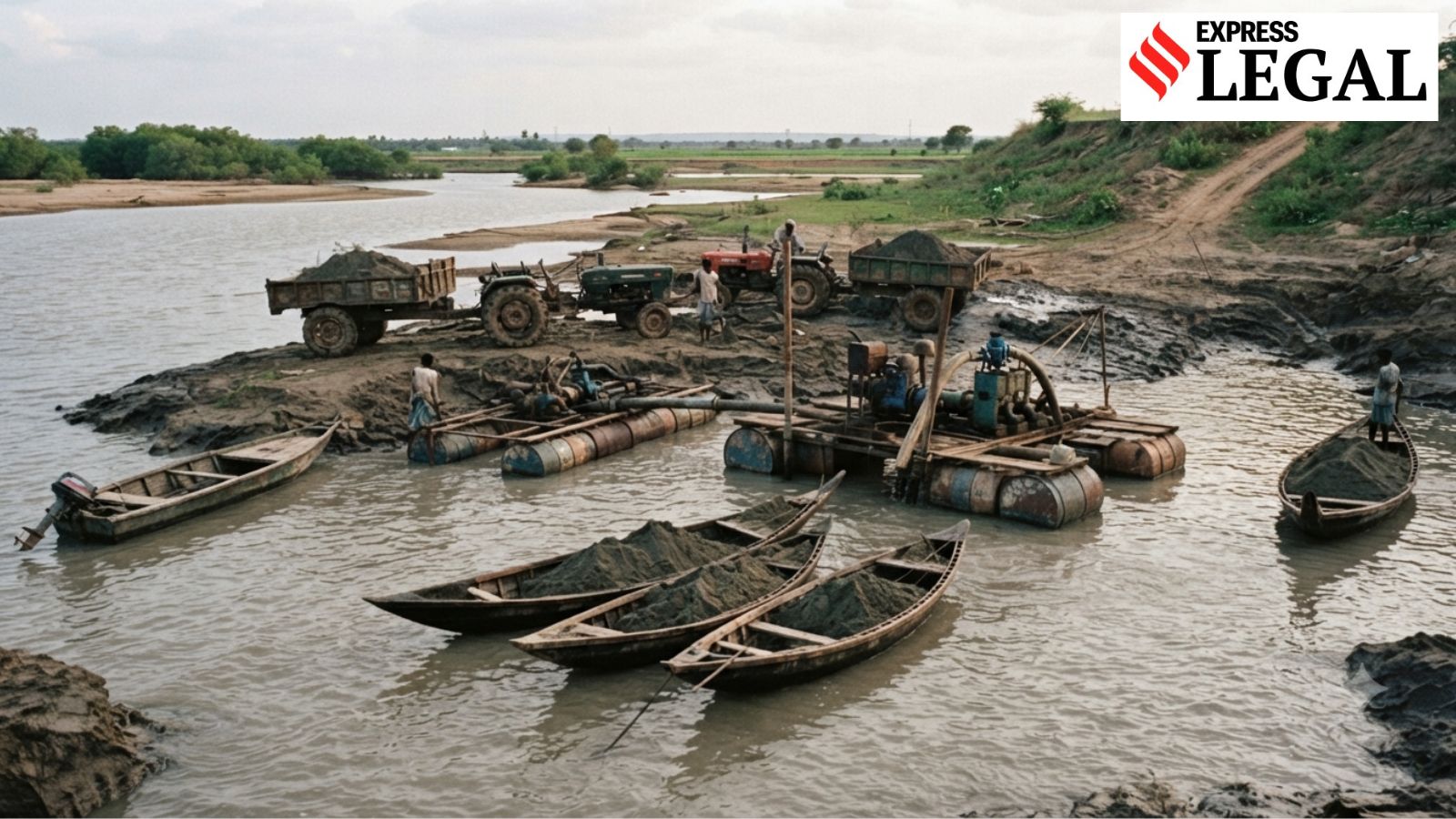
The dispute centres on the Kannamnaidu pond which local farmers say irrigates nearly 2,000 acres and is the only dependable source of water for surrounding villages. They alleged that administrative directions issued in April 2022 enabled contractors working on the highway project to excavate sand and gravel from the pond without obtaining required approvals under mining laws.
Excavation challenged
According to the petition, the Centre acquired land in Vizianagaram to develop an economic corridor under NH-130CD. Contractors executing the project sought permission to source sand, gravel and earth from nearby ponds for construction work.
Justice Maheswara Rao Kuncheam said water is seen as a common heritage entrusted to humankind for preservation and equitable use from generation to generation.
Instead of directing them to obtain approvals under the Mines and Minerals (Development and Regulation) Act or MDMR Act, 1957, and the Andhra Pradesh Minor Mineral Concession Rules, 1966, the collector issued proceedings dated April 8 and April 15, 2022, asking the Mines and Geology Department and the Irrigation Department to facilitate excavation from ponds identified by the Revenue Divisional Officer.
The petitioners argued that the collector had bypassed legal procedures and endangered a water body that supports local agriculture, groundwater recharge and biodiversity. They contended that no authority could permit excavation from such a vital resource without following legal procedures.
Story continues below this ad
Hinduism, Islam, Christianity
Justice Kuncheam traced the idea of environmental conservation through religion before examining constitutional principles. In Hinduism, rivers such as the Ganga, Yamuna and Godavari are revered as divine mothers, and water is considered a purifier of the body, mind and soul, he said. Hindu scriptures emphasize that natural resources are gifts of nature meant for the welfare of all living beings and should not be polluted or monopolised.
Similarly, in Islam, water is regarded as a divine gift and a source of life. Islamic teachings prohibit wastage and contamination of water and recognise that all people have an equal right to access this essential resource, the court pointed out.
In Christianity, water symbolises life, purification and renewal, as seen in the sacrament of baptism and numerous Biblical references describing water as God’s blessing for all humanity, the judge stated. The Bible teaches that the Earth and its resources belong to God and human beings are merely stewards entrusted with their protection and responsible use.
Water is seen not as private property but as a common heritage entrusted to humankind for preservation and equitable use from generation to generation. These religious principles closely align with the Doctrine of Public Trust, the judge added.
Story continues below this ad
Doctrine of Public Trust
Explaining the principle, the high court relied on landmark Supreme Court judgments, including M C Mehta vs Kamal Nath, to hold that the state is merely a trustee of natural resources such as rivers, lakes, forests, minerals and air. The doctrine requires governments to protect these resources for present and future generations instead of allowing their illegal exploitation.
Justice Kuncheam observed that environmental protection forms part of the right to life under Article 21 of the Constitution and must be read together with Articles 48A and 51A(g), which cast a constitutional duty on the state and citizens to protect forests, rivers, lakes and wildlife.
The court said, “The State is the trustee of all natural resources which are by nature meant for public use and enjoyment. Public at large is the beneficiary of the sea-shore, running waters, airs, forests and ecologically fragile lands. The State as a trustee is under a legal duty to protect the natural resources.”
Historic water bodies
The court recalled that ancient Indian dynasties, including the Mauryas, Guptas, Cholas and the Vijayanagara Empire, treated conservation of natural resources as an essential responsibility of governance. Those principles, it observed, continue to find recognition in constitutional law through the Doctrine of Public Trust.
Story continues below this ad
Justice Kuncheam referred to Cumbum Cheruvu, developed during the reign of Sri Krishnadevaraya, which is one of India’s largest man-made irrigation tanks that continues to serve people centuries after it was built. The judgment also referred to Anantharaja Sagar (Porumamilla Cheruvu) and Bukkarayasamudhram Cheruvu, observing that these reservoirs continue to sustain communities, especially in drought-prone Rayalaseema.
“If our predecessors had failed to preserve these water bodies and instead exploited them for immediate gains, the present generation would have lost invaluable environmental assets,” the court observed, stressing that the same responsibility now rests with the present generation.
‘NH construction can’t override mining laws’
Rejecting the state’s stand, the high court held that public infrastructure projects cannot become a reason to bypass statutory safeguards. The court noted that sand and gravel are “minor minerals” governed by the MMDR Act and the Andhra Pradesh Minor Mineral Concession Rules.
It found that the concessionaires had flouted the legal process even as contractors executing commercial NH projects must obtain construction material through lawful means rather than administrative shortcuts. Holding that legal procedures can’t be compromised for convenience, the court quashed the collector’s proceedings as arbitrary, illegal and contrary to the Doctrine of Public Trust and the Acts of 1966 and 1957.
Story continues below this ad
Statewide directions
The litigation eventually expanded beyond one village pond. During hearings earlier this year, the high court noted that cases involving illegal excavation of ponds, lakes, tanks and riverbeds were repeatedly reaching the court. It directed the chief secretary on April 1 to frame a comprehensive standard operating procedure (SOP) for protecting water bodies across Andhra Pradesh.
The SOP, issued on May 8 provides for drone and satellite monitoring, periodic inspections, CCTV surveillance, complaint redressal mechanisms, coordinated action against illegal sand mining and annual reviews by the chief secretary.
“The environment and natural resources are national assets and must be held for the benefit of both present and future generations,” the court said, directing the state government to strictly implement the SOP.
View original source — Indian Express ↗
Related stories

The Punch
WorldJul 16, 2026 · 1 min
Kano, Jigawa Customs generated N63.07bn in six months -Controller
The Punch
The Punch
WorldJul 16, 2026 · 1 min
Kano Hisbah bans mobile movie download business
The Punch

Antara News
WorldJul 16, 2026 · 1 min
RI explores the establishment of Palestinian Museum at TMII Jakarta
Antara News
South China Morning Post
WorldJul 16, 2026 · 1 min
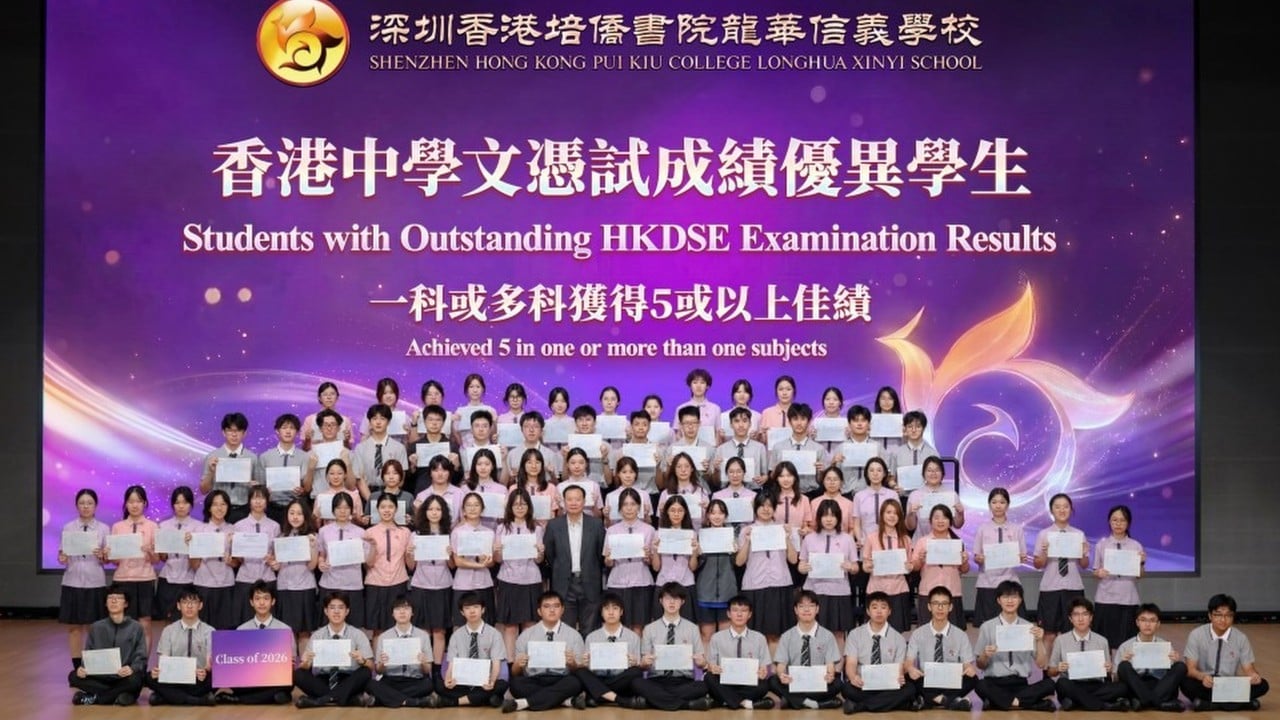
Mainland schools for Hong Kong pupils beat city average in university entrance exams
South China Morning Post