Indian Express
Supreme Court flags Class 9 stress, backs third language from Class 6
4 min readNew DelhiUpdated: Jul 16, 2026 03:07 PM IST
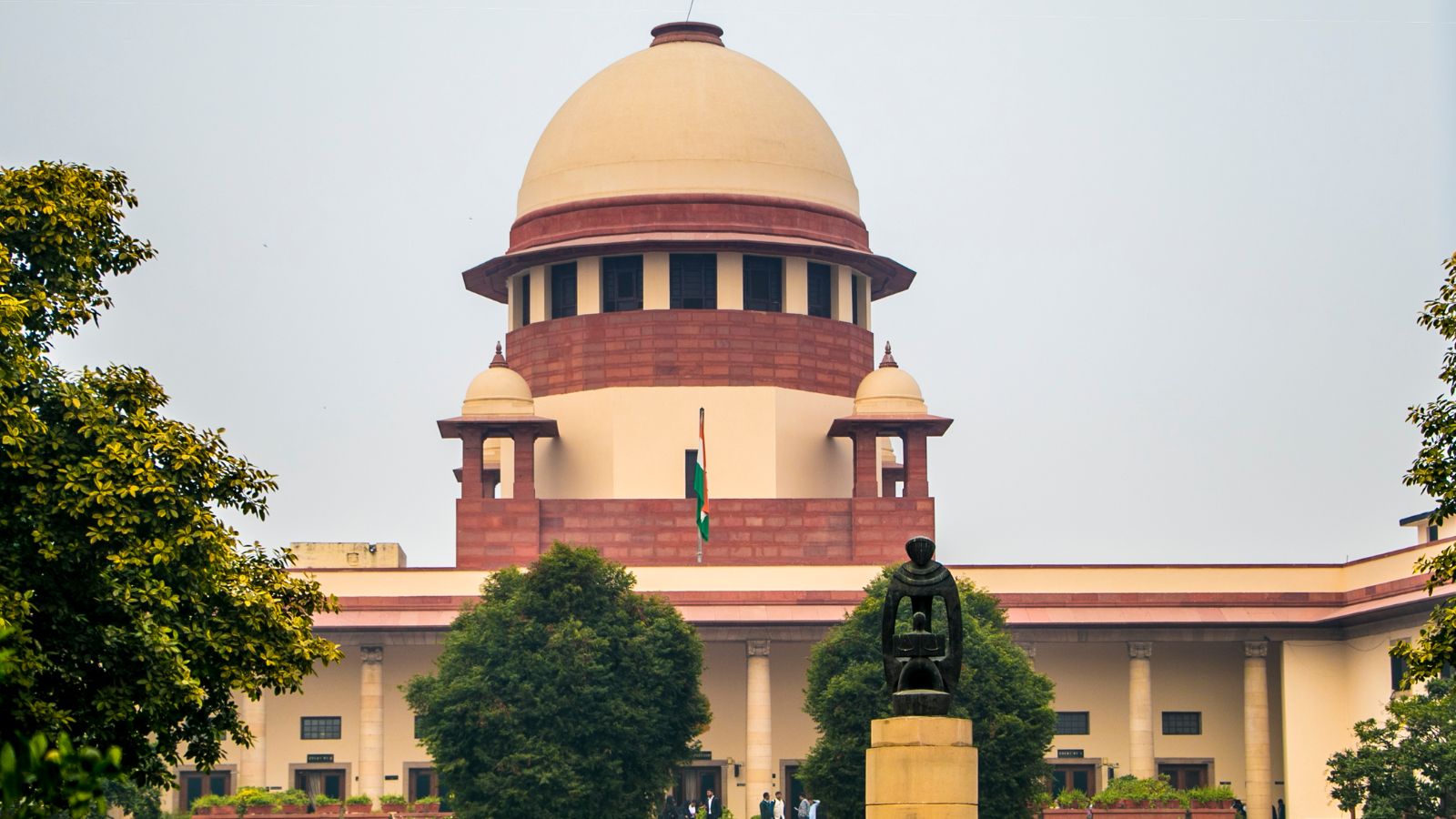
The Supreme Court said the third language should begin in Class 6, not Class 9. (Representative image)
The Supreme Court said on Friday that the third language should begin in Class 6, not Class 9, observing that introducing a new language a year before board examinations is stressful for students who have to take them a year later.
While presiding over a two-judge bench, Justice B V Nagarathna made the remarks while hearing an appeal by the Tamil Nadu Government challenging a Madras High Court direction to facilitate the establishment of Jawahar Navodaya Vidyalayas (JNVs) in the state.
The bench, also comprising Justice R Mahadevan, counselled the state not to oppose every central scheme merely because they come from the Centre.
“You may have your education system, but don’t prevent the Central government schools. Don’t have this attitude that ‘it is the Union government, so why should we accept it?’” Justice Nagarathna said.
The CBSE’s three-language policy is currently under challenge before the Supreme Court in petitions pending with a bench presided by the Chief Justice of India.
‘It doesn’t say Hindi’
While it was not directly an issue in the matter heard Thursday, the Tamil Nadu Government counsel flagged the state’s concerns regarding the three-language policy during the hearing. This invited the comments from the bench.
Justice Nagarathna pointed out that as per the policy, “the state language has to be taught, English has to be taught and any third language. It doesn’t say Hindi.”
Story continues below this ad
The counsel appearing for the petitioner, on whose plea the Madras High Court passed its order, said the National Education Policy (NEP) bars the imposition of any language on any state. This prompted Justice Nagarthna to ask, “You don’t want Hindi, but if it’s Sanskrit, what is the issue?”
‘The earlier, the better’
When informed that the third language becomes mandatory only from Class 9, Justice Nagarathna said, “That is very bad. The ninth standard is stressful. Why do you introduce a new language in the ninth grade? You introduce it in the sixth.”
Referring to her own school days, the judge said, “In the middle school, the third language was started because that was required for SSLC. It was Kannada for those with Hindi as a second language, and vice versa. Sanskrit was also there, so you could have a third language. The earlier, the better”.
“Union of India, please don’t have a third language in the ninth standard’, she said. “CBSE, ICSE, State Board, tenth standard is a board exam. From the end of the eighth standard onwards, the pressure starts… Don’t start a new language in 9th. Start it in 6th…”
Story continues below this ad
Fixing the matter for hearing next on August 11, the court noted that the discussions between the Centre and the state on the issue are still on and that the question of hearing it on merits would arise only if they fail.
On July 14, the bench presided by the CJI declined to stay the three-language policy and assured that it would protect teachers who may have to face action for shortcomings in its implementation.
View original source — Indian Express ↗
Related stories

The Punch
WorldJul 16, 2026 · 1 min
CAC to deregister 100,000 companies over unfiled returns
The Punch
The Punch
WorldJul 16, 2026 · 1 min
Man gets seven-year jail term for advertising cannabis online
The Punch
The Punch
WorldJul 16, 2026 · 1 min
FG unveils initiative to unlock DNA research, boost healthcare
The Punch
The Punch
WorldJul 16, 2026 · 1 min
I’m not afraid to return to school, rescued Oyo pupil recounts ordeal in bandits’ captivity
The Punch