Indian Express
Why thousands of penguins stand shoulder to shoulder in Antarctica
3 min readNew DelhiJul 16, 2026 02:00 PM IST
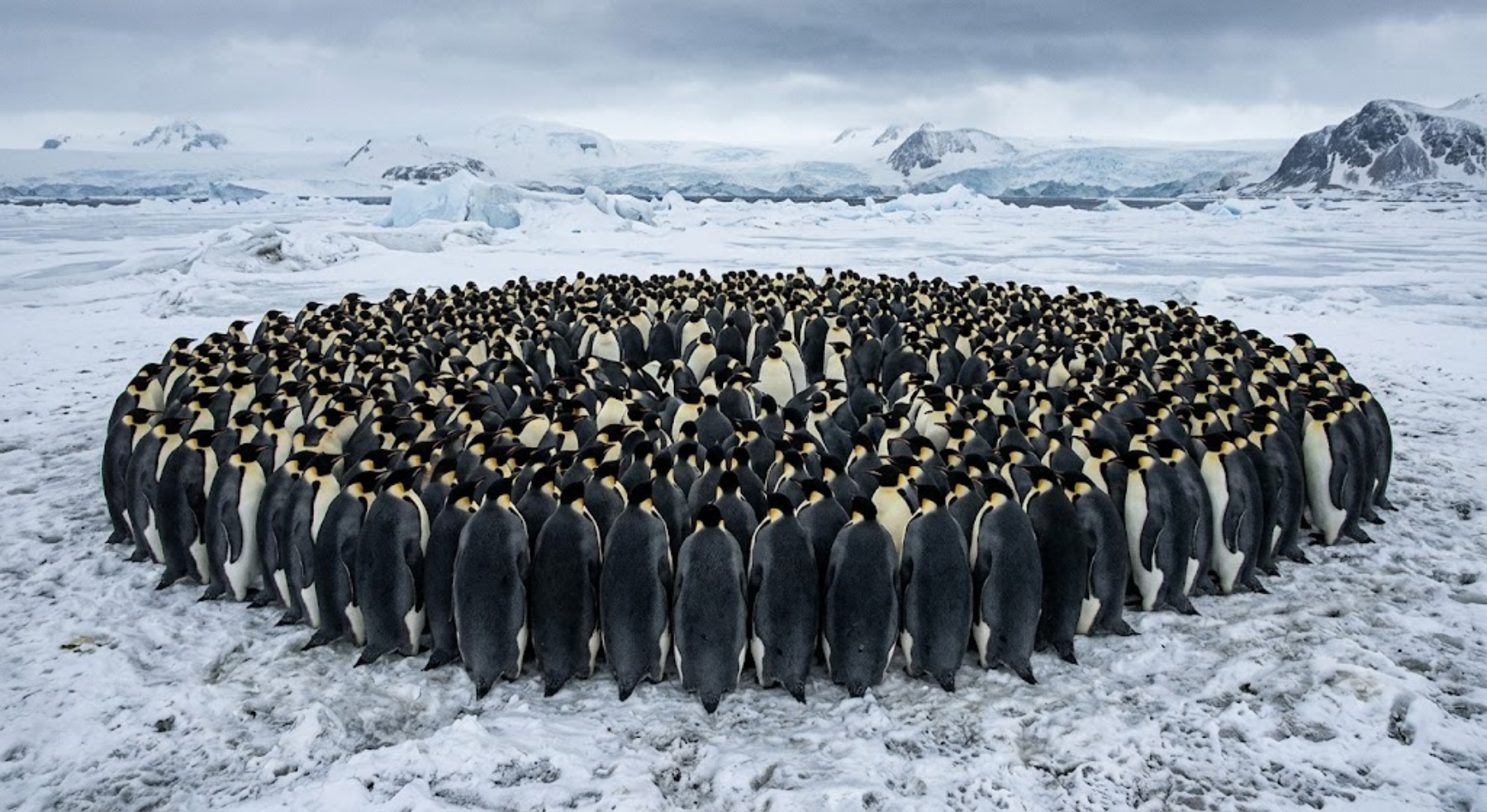
A tightly packed group of penguins standing shoulder to shoulder against the icy Antarctic winds is one of nature’s most recognisable images. While it may look like an affectionate gathering, the behaviour is actually a sophisticated survival strategy refined over thousands of years.
For species such as the emperor penguin, huddling is often the difference between life and death during the brutal Antarctic winter, where temperatures can plummet below −40°C and wind speeds regularly exceed 150 km/h.
Here’s why penguins huddle together.
1. To conserve body heat
The primary reason penguins huddle is to reduce heat loss. Each penguin acts as a living windbreak for the birds beside it. By pressing closely together, they minimise the amount of body surface exposed to freezing air and conserve precious energy.
Research has shown that temperatures inside a densely packed emperor penguin huddle can rise dramatically compared with the surrounding environment, creating a much warmer microclimate.
2. To survive extreme Antarctic weather
Emperor penguins breed during the harshest months of the Antarctic winter. Unlike many animals that avoid severe weather, they remain on sea ice to incubate eggs and raise chicks. Huddling helps them endure prolonged exposure to freezing temperatures, blizzards and icy winds while using less energy. Without this cooperative behaviour, many adults would struggle to survive the breeding season.
Why do penguins huddle (Photo: Magnific)
3. To save energy when food is scarce
During breeding, emperor penguin fathers fast for nearly two months while protecting their eggs. Since they cannot replenish their energy stores, reducing heat loss becomes critical. Huddling allows them to lower the amount of energy needed to maintain body temperature, helping them survive until females return from feeding at sea.
4. Everyone gets a turn in the warm centre
Contrary to popular belief, penguins don’t leave weaker individuals stranded on the outside. Studies have found that emperor penguin huddles are dynamic. Birds constantly shuffle positions, allowing those on the cold, windy edges to gradually move towards the warmer centre while others rotate outward. This cooperative movement ensures that the benefits of warmth are shared throughout the group.
Story continues below this ad
5. To protect eggs and chicks
Male emperor penguins balance a single egg on top of their feet, covering it with a warm abdominal skin fold called the brood pouch. Even brief exposure to freezing ice can be fatal for the developing chick. Huddling shields incubating males from wind and helps maintain the stable temperatures needed for successful development. Once chicks hatch, group behaviour continues to provide protection from the harsh environment.
Do all penguins huddle? While emperor penguins are the most famous huddlers, king penguins may also gather in groups during cold weather. However, species living in warmer regions—such as Galápagos, African, or little blue penguins—do not rely on large, tightly packed huddles because they face much milder climates.
Explore more captivating stories about pets and animals here, and make us your daily stop for the latest from the animal kingdom.
View original source — Indian Express ↗
Related stories

Variety
EntertainmentJul 16, 2026 · 1 min
Boutique Festival Agency Casa Leo PR Launched by Raindance Execs David Martínez and Jacky Orozco (EXCLUSIVE)
Variety

Indian Express
EntertainmentJul 16, 2026 · 1 min
Anushka Sharma’s rare London appearance gets fans talking, see viral video
Indian Express

The Hollywood Reporter
EntertainmentJul 16, 2026 · 1 min
Netflix’s Bela Bajaria to Receive 2026 International Emmy Founders Award
The Hollywood Reporter

Indian Express
EntertainmentJul 16, 2026 · 1 min
Sonali Bendre fasts 18–20 hours, eats 1.5 meals daily after cancer
Indian Express