Indian Express
Beard, niqab, using Arabic expressions: MP flags ‘profiling’ in Gujarat’s ‘anti-radicalisation’ SOPs
6 min readAhmedabadJul 16, 2026 06:03 PM IST
The SIB’s letter to SPs and CPs defined “Who can be called a radicalised person”, and detailed the procedures on prevention, detection, intervention, rehabilitation and monitoring of such individuals. (File photo)
Rajya Sabha MP John Brittas has asked the Gujarat Chief Minister to put on hold Standard Operating Procedures (SOPs) of “Anti-Radicalisation Cells” in the state until it is determined that they do not “permit profiling or surveillance” based on a person’s religion, attire, or language.
The MP’s letter, written to Chief Minister Bhupendra Patel on July 14, refers to a communication from the State Intelligence Bureau of the Gujarat Police to all superintendents and commissioners of police regarding the SOPs for these Anti-Radicalisation Cells (ARC).
The communication, issued on June 19, had come after the government approved 139 new posts in ARCs across districts, and operationalised them. The SIB’s letter to SPs and CPs defined “Who can be called a radicalised person”, and detailed the procedures on prevention, detection, intervention, rehabilitation and monitoring of such individuals.
According to the SOPs, a radicalised individual is “someone who uses their radical ideas to carry out anti-national activities and work against the unity and sovereignty of the country, create an environment of fear in the people, and tries to propagate these ideas”.
“Such individuals”, the SOPs said, “believe that their religion is the one true religion and aim to harm those professing other faiths. They disseminate such hardline ideas through social media, newspapers, radio, television, magazines, public gatherings and try to radicalise vulnerable people.”
Brittas wrote to the Chief Minister that while the state has a duty to prevent terrorism and violent extremism, “the contents attributed to the SOPs” were “disquieting” enough to merit his “immediate attention”.
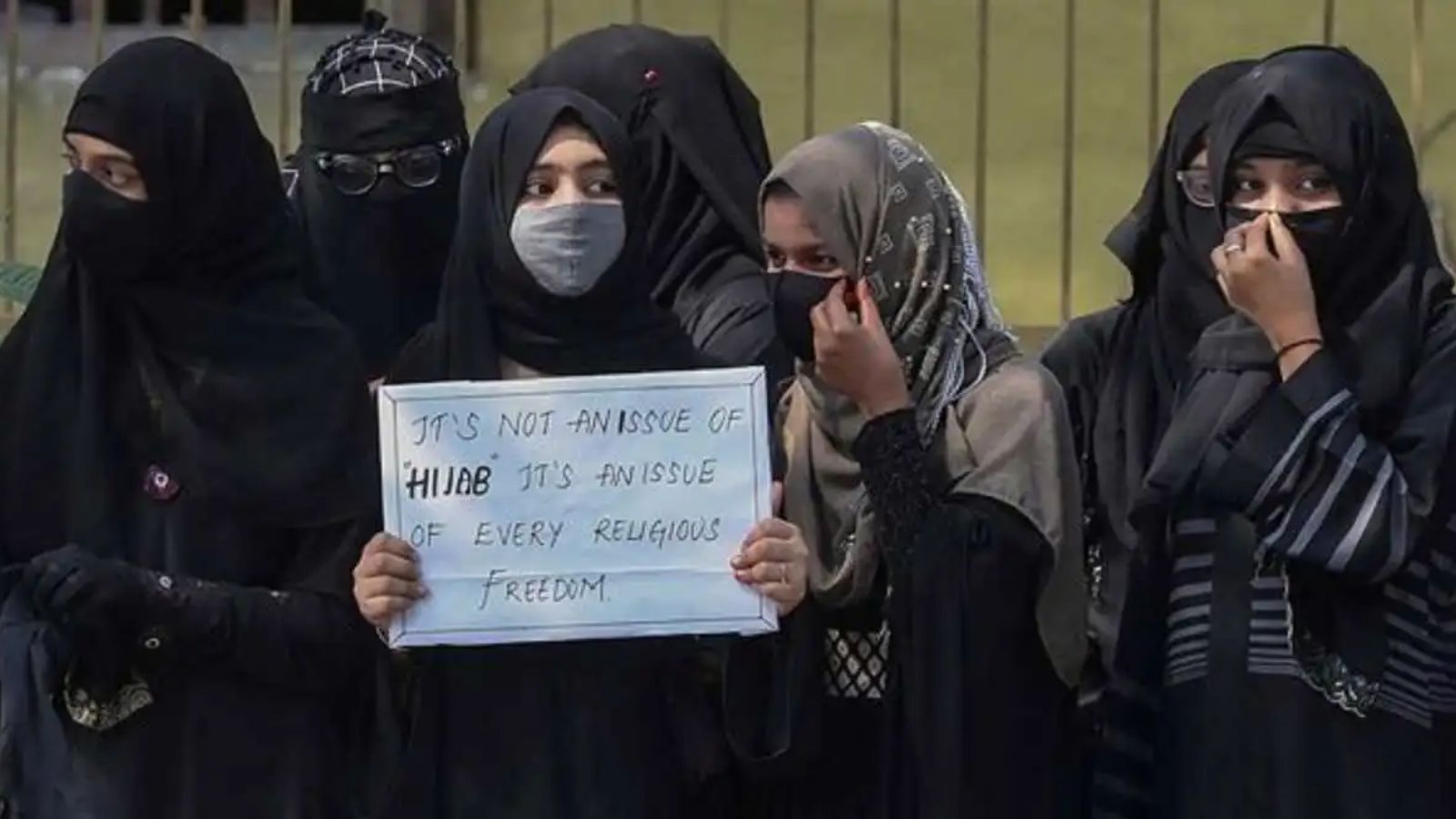
“They appear to define a radical individual in broad terms and…reportedly list behavioural indicators that include suddenly keeping a beard, wearing a niqab, using Arabic expressions in ordinary conversation, reacting strongly to incidents affecting Muslims anywhere in the world, withdrawing from education or employment for religious reasons, frequently meeting religious leaders, visiting mosques and madrasas identified as ‘sensitive’, etc.,” Brittas, who represents the CPI(M) in the Upper House, wrote.
Story continues below this ad
Such “contents of the purported SOP”, if accurate, “risk treating ordinary manifestations of religious identity and constitutionally protected conduct as grounds for police suspicion”, the MP said.
Another MP, chief of the All India Majlis-e-Ittehadul Muslimeen (AIMIM), who represents Hyderabad in Lok Sabha, too criticised the alleged broad definition of “radicalisation”.
“What is radicalisation? Those who offer namaz, visit mosques, or dress a certain way are being branded ‘radicalised’. Such stereotypical policies will not matter; isn’t destroying mosques radicalisation?” PTI, which posted a video of Owaisi’s speech on X, reported on Wednesday.
Neither Deputy Chief Minister Harsh Sanghavi nor Gujarat Police DGP G S Malik were available for a comment on the letter written by Brittas to Chief Minister Patel.
Story continues below this ad
The section on “Detection” in the SOPs, which have been accessed by The Indian Express, refers to “Actions” including the purchase of fertilisers that contain dual-use chemicals such as potassium nitrate, sulphur, and ammonia; the hoarding of LPG cylinders; frequently visiting jungle areas; contacting people in Pakistan Occupied Kashmir, the Gulf countries and Afghanistan; using encrypted apps; and withdrawing large amounts of cash.
Among “Digital” actions, the SOPs mention the use of VPN; downloading of Signal, Element, and similar encrypted messaging apps; membership of radical Telegram groups; following of accounts of the Islamic State (ISIS) and al-Qaeda, and sharing of ISIS magazines such Dabiq and Rumiyah; and dealing with cryptocurrency, especially Monero, without any known sources of income.
“Any institutional framework that creates an impression of profiling a particular community would be inconsistent with the constitutional promise of equal protection of laws,” Brittas wrote. “Effective intelligence depends on trust between citizens and law and enforcement agencies. Policies that appear to stigmatize an entire community undermine that trust, discourage cooperation with investigative agencies, and risk alienating precisely those citizens whose partnership is indispensable in combating extremism.”
The SOPs require police chiefs to identify and enlist the help of religious leaders, psychologists, social media influencers, NGOs, and religious scholars to help counter radical propaganda, and help “radicalised individuals” to return to the mainstream of society.
Story continues below this ad
Suggested interventions include the use of law to book radicalised persons who have allegedly committed a cognizable offense. In the absence of that, their identities are to be kept secret and protected.
The “Rehabilitation” section of the SOPs include community policing; hosting of games, cultural programmes, and employment fairs; and monthly lectures and seminars by influential persons from mosques and madrasas.
A senior Gujarat Police officer told The Indian Express that the intention was to proactively address tendencies towards radicalisation.
“This is not targeting a specific group, but those who are against society. Our agenda is to return them to mainstream society, and is part of proactive policing,” the officer said.
Story continues below this ad
According to the officer, the aim of the Anti-Radicalisation Cell was to go beyond criminal investigations of the kind carried out by the Anti-Terrorist Squad and other specialised agencies, and to “make sure that those in the vicinity or contact or influence, are not drawn towards extremism”.
“We need to identify these people, many of whom may be very young persons or minors. Who will bring them back to society? We engage psychologists from universities who are experts in behavioural sciences, and religious leaders to integrate them back. Misguided persons need to be given proper knowledge of religion instead of being influenced by radical groups,” the officer said.
On the specifics mentioned in Brittas’s letter, including the references to growing a beard, wearing a niqab and reacting to international incidents, the officer said: “We are checking the publicised letter and its veracity… But our work is to make sure that SPs are aware of these procedures, because many a time, families complain to police about their children getting radicalised. Local police need to be more involved in this work so that they can be involved personally with such persons.”
The officer said police in Gujarat were focused on the problems that the state was facing. “Various states have different types of problems; for example, Punjab has its issues, which vary from those in the Northeast or Kashmir, or Naxalism-affected areas. This is not about religion or caste, but about facing the issues,” the officer said.
© The Indian Express Pvt Ltd
View original source — Indian Express ↗
Related stories

The Punch
WorldJul 16, 2026 · 1 min
Police rescue middle-aged man during patrol in Anambra
The Punch
The Punch
WorldJul 16, 2026 · 1 min
BREAKING: A’Court sets aside judgment nullifying INEC guidelines
The Punch
The Punch
WorldJul 16, 2026 · 1 min
Why army’s response to Kogi school attack was delayed — Commander
The Punch
The Punch
WorldJul 16, 2026 · 1 min
Gbajabiamila sues ‘fake’ agency DG, demands N15bn over defamation
The Punch