Indian Express
PM Modi to unveil 75 redeveloped railway stations, including Baramati
2 min readPuneJul 16, 2026 10:24 PM IST
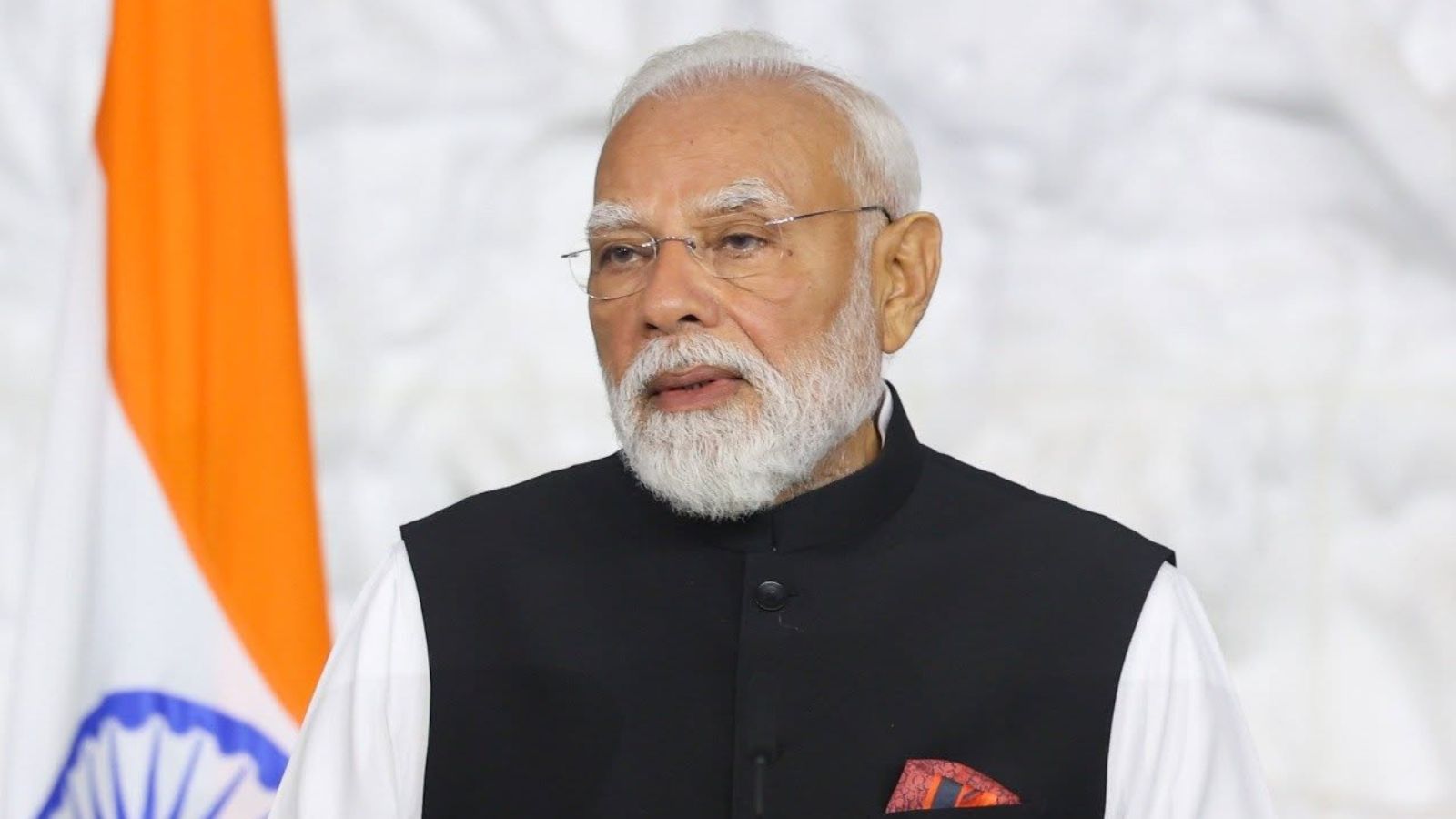
Prime Minister Narendra Modi will unveil Baramati station through video-conferencing, as part of the Centre’s Amrit Bharat Station Scheme (ABSS). (Facebook/BJP)
Baramati railway station in Pune will be among 75 stations across the country Prime Minister Narendra Modi will unveil on Friday through video-conferencing, as part of the Centre’s Amrit Bharat Station Scheme (ABSS).
The Baramati railway station, which falls under the Pune Division of Central Railway (CR), has been redeveloped at a sanctioned cost of Rs 11.40 crore. The station currently handles around 1,800 passengers and eight passenger train services daily, according to a press release issued by CR.
Officials said the redevelopment focused on improving passenger comfort, accessibility and infrastructure. The upgraded station will feature a modern building with improved architectural aesthetics, better lighting and standardised signage, upgraded waiting areas, improved sanitation facilities, barrier-free access for Divyangjan passengers, and better parking and approach roads.
Baramati is among Maharashtra’s key agricultural and industrial towns, known for its cooperative sugar industry, dairy sector, grape cultivation, food processing units, and a growing presence of medical and engineering institutions.
132 stations in Maharashtra
The Amrit Bharat Station Scheme has identified 1,337 stations across Indian Railways for redevelopment nationally, of which 132 are in Maharashtra. So far, 15 stations in the state have already been redeveloped and inaugurated.
These include Chinchpokli, Parel, Wadala Road, Matunga and Shahad under Mumbai Division; Kedgaon and Lonand under Pune Division; and Lasalgaon, Deolali, Savda, Dhule and Murtizapur under Bhusawal Division – all under CR. Three more stations, Chanda Fort, Itwari and Amgaon, fall under South East Central Railway’s Nagpur Division.
Railway officials said work on the remaining stations identified under the scheme is progressing at a fast pace, with the aim of turning them into modern, accessible and technology-enabled travel hubs without losing their regional identity.
View original source — Indian Express ↗
Related stories

The Punch
WorldJul 16, 2026 · 1 min
JUST IN: FG releases 2026 common entrance results
The Punch
The Punch
WorldJul 16, 2026 · 1 min
UNIZIK denies lecturer’s involvement in viral sex scandal video
The Punch
The Punch
WorldJul 16, 2026 · 1 min
Ex-Rivers gov Rotimi Amaechi’s mother dies at 89
The Punch

Rio Times
WorldJul 16, 2026 · 1 min
Colombian city Medellín expands arts scene with Vibra Urabá festival, new MAMM modern art museum exhibition and global…
Rio Times