Indian Express
DG Shipping advises firms to avoid deploying Indian seafarers on Strait of Hormuz
3 min readMumbaiJul 16, 2026 10:49 PM IST
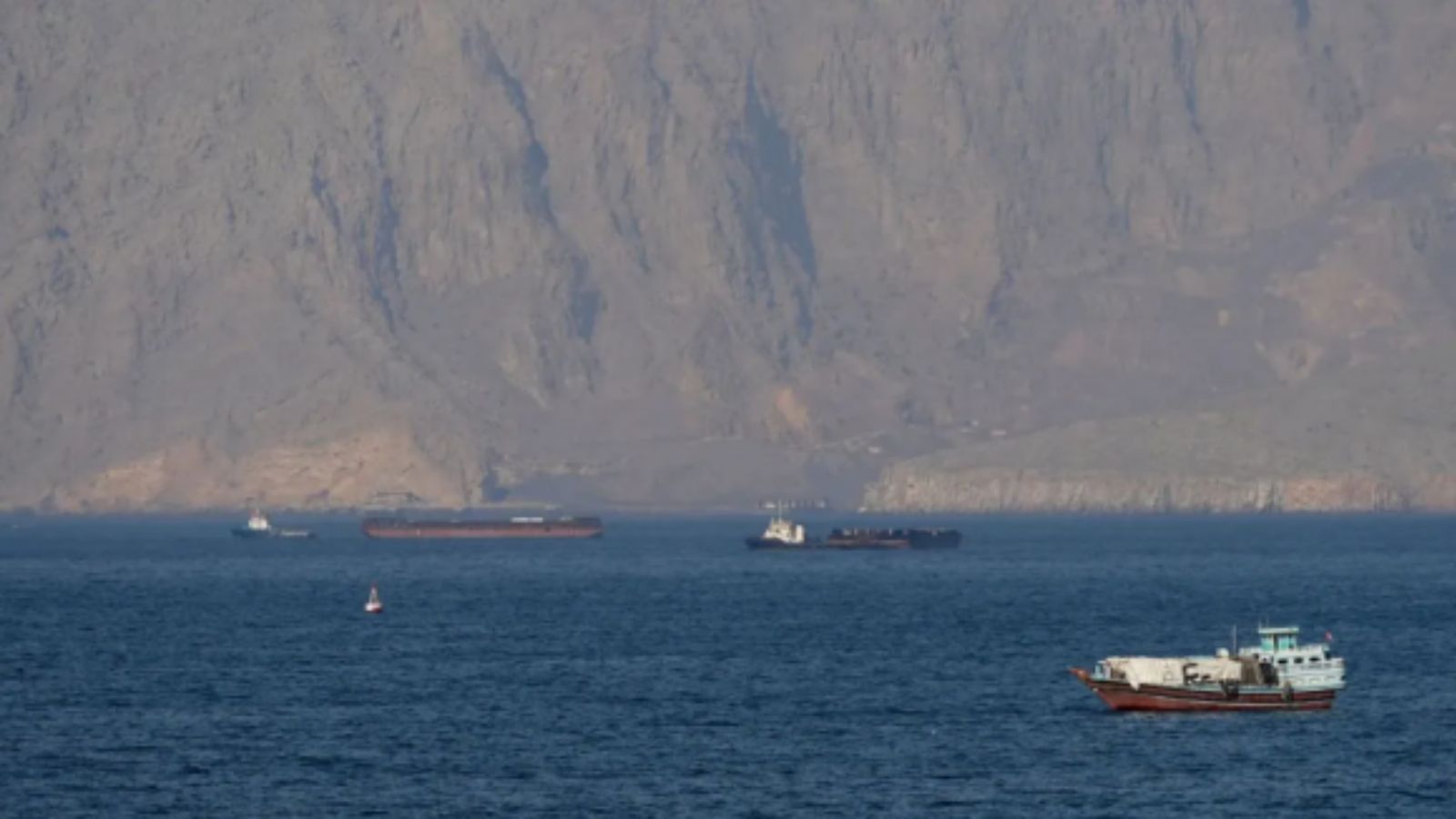
The Strait of Hormuz is one of the world’s busiest maritime chokepoints, through which nearly a fifth of global crude oil and a substantial share of liquefied natural gas exports pass. (File image)
In the wake of escalating security concerns in the Gulf region, the Directorate General of Maritime Administration (DGMA), under the Ministry of Ports, Shipping and Waterways, has directed shipowners, ship managers and recruitment agencies to avoid deploying Indian seafarers on vessels transiting the Strait of Hormuz until further orders.
The DGMA advisory, issued on July 15, comes against the backdrop of a series of attacks on merchant ships and a worsening security environment in the Persian Gulf, raising fresh concerns over the safety of thousands of Indian seafarers employed on international cargo vessels.
The circular said the safety, security and welfare of Indian seafarers, along with the protection of Indian ships, remain central to the mandate of the maritime administration. It noted that recent attacks on merchant vessels — including Mombasa B, Al Bahyah, GFS Galaxy, MT WEDYAN and AL REKAYYAT — have significantly heightened the risks faced by commercial shipping operating in the conflict-affected region.
Referring to the deteriorating situation in the Persian Gulf, the advisory said incidents resulting in casualties among Indian seafarers, coupled with continuing attacks on merchant ships during the ongoing conflict, have made it necessary to adopt enhanced precautionary measures.
Accordingly, the maritime regulator has instructed masters of vessels operating in the Persian Gulf, the Strait of Hormuz and adjoining waters to maintain heightened security vigilance. Ship operators have been asked to continuously monitor navigational warnings, security advisories and updates issued by competent authorities while implementing all applicable ship security measures in accordance with the International Ship and Port Facility Security (ISPS) Code.
Emergency communication channels, cautious approach
The Strait of Hormuz is one of the world’s busiest maritime chokepoints, through which nearly a fifth of global crude oil and a substantial share of liquefied natural gas exports pass. Any disruption in the narrow waterway has far-reaching implications for global trade, energy supplies and freight costs.
India has one of the world’s largest pools of merchant navy personnel, with hundreds of thousands of Indian seafarers serving on foreign-flagged vessels across international shipping routes. A large number of them are employed on oil tankers, LNG carriers and cargo ships operating in the Gulf region.
Story continues below this ad
The advisory also establishes emergency communication channels for seafarers and vessels operating in the area. In case of emergencies, ships have been asked to immediately contact the Maritime Maritime Domain Awareness Centre (MMDAC) of the DG Communication Centre or the Information Fusion Centre–Indian Ocean Region (IFC-IOR), which coordinates maritime security information in the region.
The latest advisory underscores the government’s growing concern over the risks posed by the conflict in the Gulf and signals a more cautious approach towards protecting Indian seafarers until the regional security situation improves. Industry participants are expected to closely monitor further directions from the maritime administration as geopolitical tensions continue to weigh on global shipping operations.
© The Indian Express Pvt Ltd
George Mathew is an Associate Editor with The Indian Express, based in Mumbai. A veteran of financial journalism with nearly three decades of experience, he is one of the country’s most authoritative voices on banking, regulation, and the corporate sector.
Expertise & Focus Areas Mathew’s reporting covers the nerve center of India’s economy. His specialized beats include:
The Reserve Bank of India (RBI): He has tracked the central bank's policy evolution through the tenures of multiple Governors, offering deep insights into monetary policy, repo rates, and banking regulation.
Banking & Insurance: Extensive coverage of public and private sector banks, non-performing assets (NPAs), and key legislative reforms like the Insurance Amendment Bills.
Corporate Affairs: Mathew frequently breaks major stories related to India's largest conglomerates, with a specific focus on the Tata Group, documenting boardroom shifts and strategic decisions.
Financial Markets: Reporting on the complexities of Foreign Portfolio Investors (FPIs), IPOs, and currency fluctuations.
Authoritativeness & Insight With a career dating back to the late 1990s, Mathew possesses a rare institutional memory of India’s financial liberalization and market crises. His work is not limited to daily news; he frequently contributes to the "Explained" section, where he decodes complex financial legislations and market trends for a broader audience. His rigorous reporting has also been featured in scholarly platforms like the Economic and Political Weekly (EPW).
Find all stories by George Mathew here ... Read More
View original source — Indian Express ↗
Related stories
BBC
BusinessJul 16, 2026 · 1 min
White House teleprompter operator accused of making $100k off Trump speech bets
BBC

TASS
BusinessJul 16, 2026 · 1 min
Russia appeals to WTO to resolve dispute over EU carbon regulations
TASS
The Guardian
BusinessJul 16, 2026 · 1 min
Vodafone settles legal claim brought by 62 former franchisees
The Guardian

Dawn
BusinessJul 16, 2026 · 1 min
Oil industry prompts government to discourage hoarding as petrol stocks decline to 14-day cover
Dawn