TechRadar
China beats Elon Musk’s Neuralink to the world’s first commercial brain-computer interface implant
There's been a notable first for brain-computer interfaces
A commercially-sold BCI has been implanted for the first time
It comes from Chinese company Neuracle Medical Technology
There's been a notable advancement in the field of brain-computer interfaces (BCI) this week: surgeons in China have successfully implanted a commercially sold BCI in the brain of a patient for the first time.
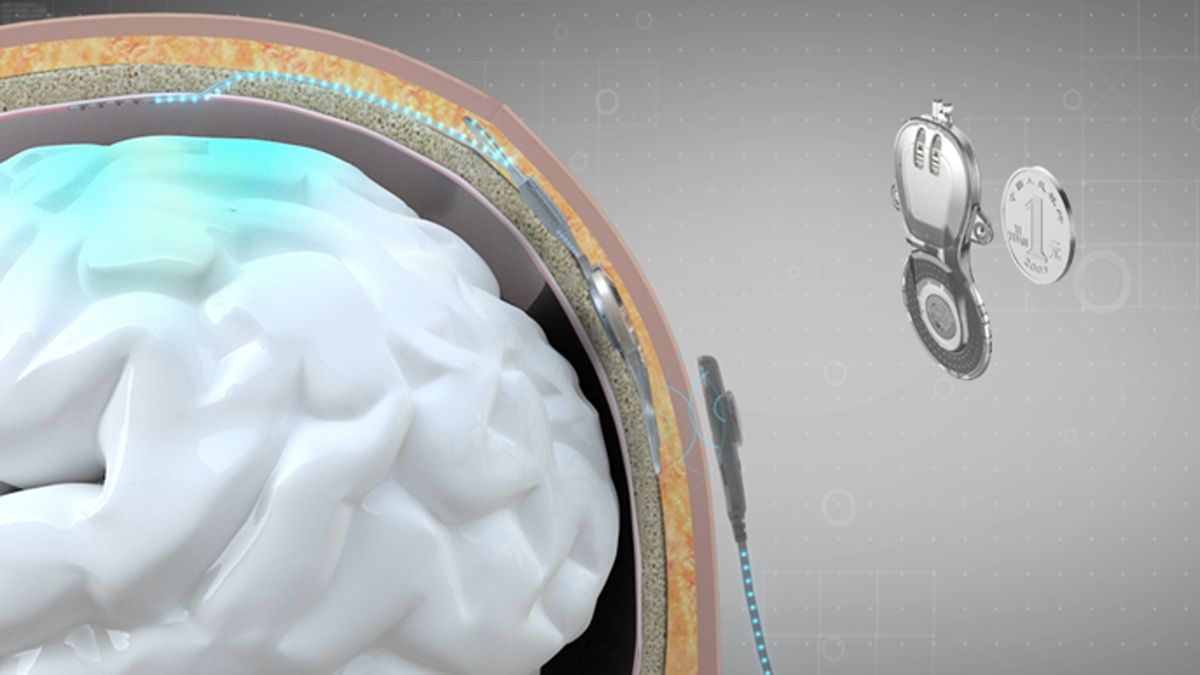
As reported by South China Morning Post, the device is called the Neural Electronic Opportunity (NEO), and is manufactured and sold by Neuracle Medical Technology. It's the size of a coin, and is fitted with eight electrodes.
While we've seen these kinds of brain implants used in controlled tests and clinical trials, this is the first time a BCI has been bought and implanted — thanks to the China National Medical Products Association approving the NEO for sale in March.
It's a field of research and innovation that the Chinese government is keen to do very well in: authorities have put together a blueprint setting out key targets in BCI tech to hit by 2027, with goals around both devices and the framework needed to support them.
Just the start
As we know from previous trials of the NEO, the device looks for neural signals from the sensory and motor control regions of the brain. These are then translated into actions that then get transmitted to a metal glove worn by the patient.
The system could also be used to control computers, phones, and other devices, as well as robotic limbs, its developers say. These devices will inevitably get smarter and smaller over time, so we can expect many more developments like this in the future.
According to reports, the individual involved was in a car crash a decade earlier, leaving them with a damaged spinal cord and impaired hand mobility. After the procedure, the patient was said to be recovering well, with normal brain signaling observed.
Sign up for breaking news, reviews, opinion, top tech deals, and more.
The obvious comparison point is Neuralink, headed up by Elon Musk. While Neuralink devices have successfully been implanted in several cases, these BCIs don't yet have regulatory approval in the US and aren't available commercially.
Follow TechRadar on Google News and add us as a preferred source to get our expert news, reviews, and opinion in your feeds.
Dave is a freelance tech journalist who has been writing about gadgets, apps and the web for more than two decades. Based out of Stockport, England, on TechRadar you'll find him covering news, features and reviews, particularly for phones, tablets and wearables. Working to ensure our breaking news coverage is the best in the business over weekends, David also has bylines at Gizmodo, T3, PopSci and a few other places besides, as well as being many years editing the likes of PC Explorer and The Hardware Handbook.
View original source — TechRadar ↗
Related stories

The Verge
TechnologyJul 16, 2026 · 1 min
Samsung’s 55-inch Frame art TV is $200 cheaper than usual
The Verge

Wired
TechnologyJul 16, 2026 · 1 min
Do Face Masks Help With Wildfire Smoke? Yes, But More Is Needed
Wired

Al Jazeera
TechnologyJul 16, 2026 · 1 min
Syria says it foiled Hezbollah weapons shipment
Al Jazeera
TechRadar
TechnologyJul 16, 2026 · 1 min
Neo robot hands breakthrough can build LEGOs, unzip jackets, and open a bag of Funyuns
TechRadar