Indian Express
Rs 100 for houses, Rs 5,000 for petrol pumps: Cash-strapped Bihar now lets panchayats collect holding tax
4 min readPatnaJul 17, 2026 05:10 AM IST
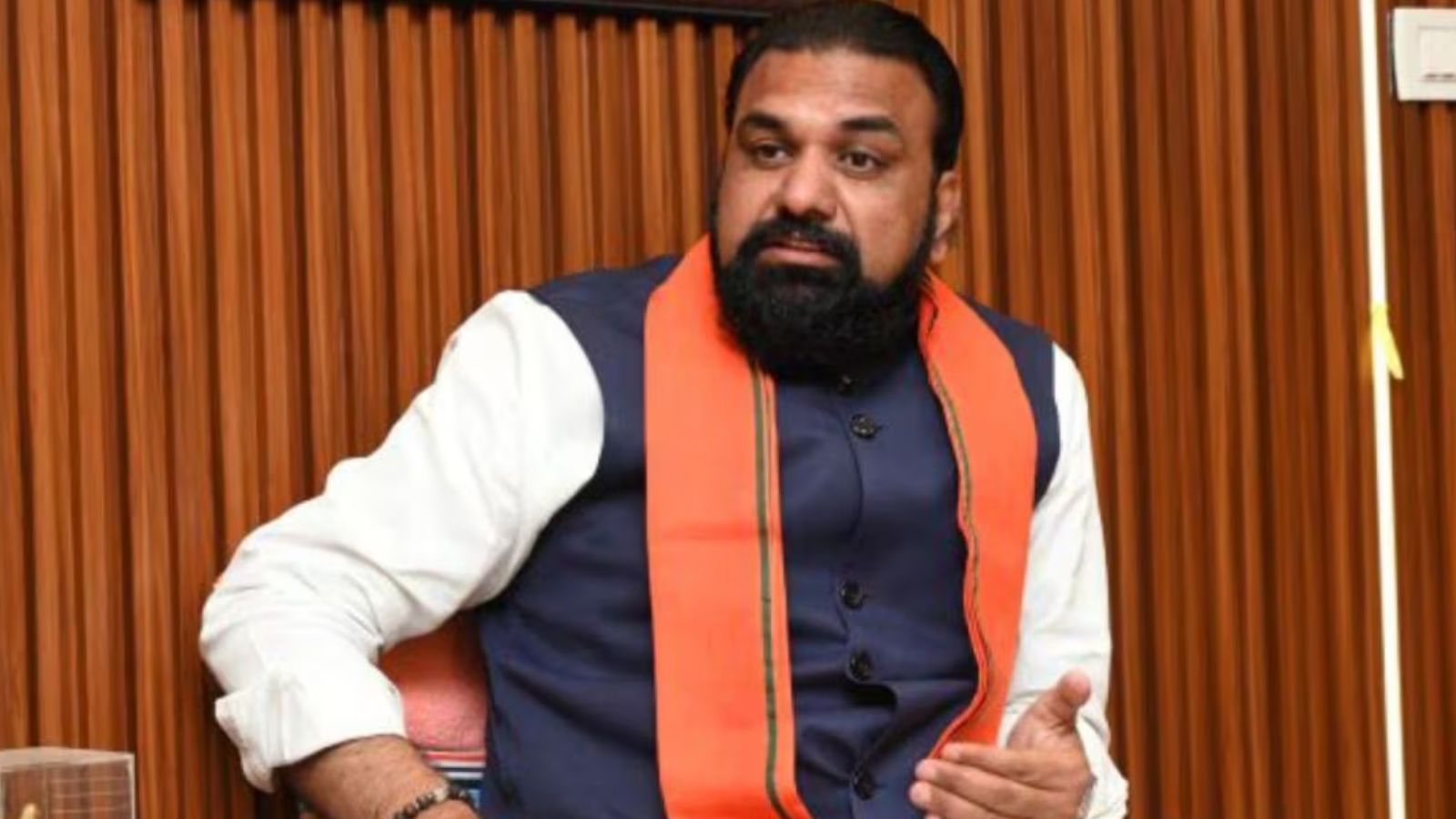
Bihar Chief Minister Samrat Choudhary (File photo).
Close on the heels of its decision to collect toll tax from commercial vehicles on state highways, cash-strapped Bihar has now decided to levy a holding tax on houses and commercial establishments in villages.
On Wednesday, the Bihar Cabinet greenlit the collection of village holding tax after the Samrat Choudhary government cleared the draft ‘Gram Panchayat Taxes, Rates, and Fees Rules, 2026’. The decision formally authorises Gram Panchayats to impose and collect holding taxes and various other fees in rural areas.
With over 45,000 revenue villages in the state, the government is targeting revenue collection of Rs 1,300 crore from rural taxes.
Currently, Bihar generates about Rs 60,000 crore in annual revenue against an annual budget of approximately Rs 3.5 lakh crore. A major component of this budget comes from central taxes — especially GST — along with other central grants. The state currently has a public debt of about Rs 4 lakh crore.
Though the Bihar Panchayat Raj Act, 2006, technically contained a provision (Section 27) allowing rural bodies to levy taxes, this is the first operational framework to implement it.
“The primary objective is to strengthen local self-governance, boost the Own Source Revenue (OSR) of rural local bodies, and significantly reduce their financial dependence on the state government,” Bihar Additional Chief Secretary (Cabinet) Arvind Kumar Choudhary told reporters.
Under the new rules, kuccha houses are exempt from the tax, semi-pucca houses will be charged Rs 50 a year, pucca houses Rs 100 a year. Houses built under the Pradhan Mantri Awas Yojana (PMAY) will enjoy a concessional rate of Rs 25 a year.
Story continues below this ad
Beyond residential properties, the rules allow panchayats to levy specific service user charges, including a cleanliness fee and water supply fee of Rs 25 each a year. Commercial and industrial entities operating within rural jurisdictions will face fixed annual operational fees.
Petrol pumps, LPG agencies, brick kilns, and cinema halls will be charged an annual fee of Rs 5,000.
Panchayats have also been empowered to levy taxes on professions, trades, advertisements, local weekly markets, billboards, hoardings, and rural cottage industries.
The rules were drafted on the back of recommendations from the Central Finance Commission and a reform push from NITI Aayog to make local bodies financially self-reliant.
Story continues below this ad
The rules state that revenue collected through these taxes will remain directly with the gram panchayats and must be utilised exclusively for local infrastructure development, such as rural roads, drainage networks, sanitation, and clean drinking water facilities.
An official from the Panchayati Raj department told The Indian Express: “The immediate trigger for formulating rural tax rules is the state government’s push to every department to find ways to boost revenue. Since rural tax was long overdue, the government cleared it”.
State secretariat sources added that the government aims to increase its annual internal revenue to Rs 1 lakh crore by 2028.
Earlier this month, the Bihar Contractors’ Welfare Association (BCWA) and Opposition parties raised concerns over the state’s financial health, citing unpaid contractor dues of Rs 50,000 and the government’s recent decision to draw from the Contingency Fund to meet welfare expenditure. The ruling NDA, however, dismissed the criticism, describing the situation as temporary.
Santosh Singh is a Senior Assistant Editor with The Indian Express since June 2008.
Expertise
He covers Bihar with main focus on politics, society and governance.
Investigative and explanatory stories are also his forte. Singh has 25 years of experience in print journalism covering Bihar, Delhi, Madhya Pradesh and Karnataka.
... Read More
Tags:
Bihar
Samrat Choudhary
View original source — Indian Express ↗
Related stories

The Punch
WorldJul 17, 2026 · 1 min
Stakeholders push reforms to sustain Nigeria’s economic gains
The Punch
The Punch
WorldJul 17, 2026 · 1 min
Lagos blames heavy rainfall for worsening road conditions
The Punch
The Punch
WorldJul 17, 2026 · 1 min
N’East stakeholders hail Tinubu over N80bn flood intervention fund
The Punch
The Punch
WorldJul 17, 2026 · 1 min
Sokoto targets 244 PHCs, launches 75 under safe delivery initiative
The Punch