South China Morning Post
Retail rift: Hong Kong shops plead for rent relief, landlords see improving market
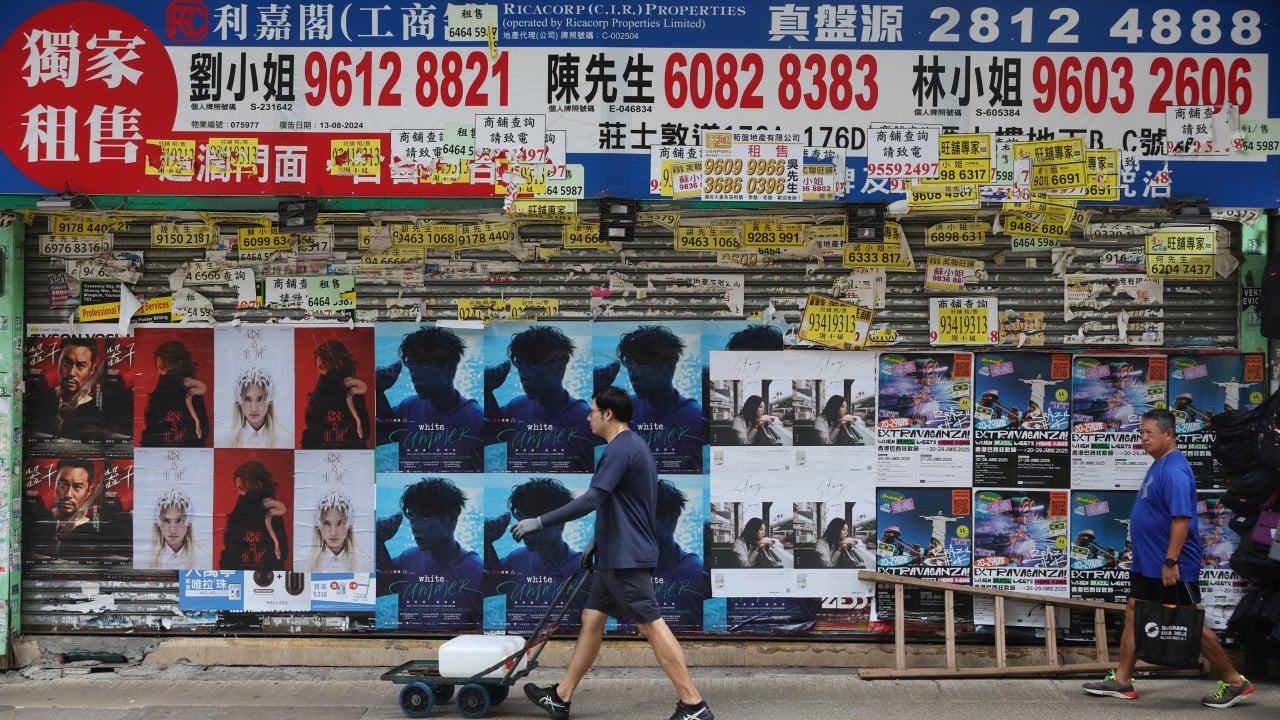
Although retail sales in Hong Kong rose more than 10 per cent year on year in the first five months of 2026, a wave of shop closures continues, leaving tenants and landlords with vastly different assessments of the retail leasing market.
Many tenants say that despite racking their brains for solutions, their businesses remain stagnant. They are losing money because of constant price cutting to attract customers, a situation they attribute to the broader economic climate. Many hope for rent reductions of 20 to 50 per cent to ease their woes.
Landlords, however, believe the market is recovering and are willing to offer only limited cuts, typically between 10 and 20 per cent. In some locations including certain shopping centres, they are even raising rents.
The operating environment was “poor”, said Michael Leung, chairman of the Association for Hong Kong Catering Services Management, who also owns several restaurants. “There are very few people on the street by 8pm, and the industry is plagued by cutthroat price wars. Over 500,000 people leave Hong Kong for the mainland during long holidays, dealing a severe blow to the catering industry.”
Total monthly expenditures for his five restaurants – including rent, air-conditioning charges, and management fees – amount to HK$1.6 million (US$204,000), accounting for 20 per cent of total expenses. He believes a 20 to 30 per cent rent reduction is necessary for survival.
Leung closed the Lucky Dragon Palace Restaurant – known as a “TV Stars’ canteen” – in October, ending its 45-year history.
Edward Chan, founder of Hong Kong-based appliance maker German Pool, said that online sales have dealt a severe blow to bricks-and-mortar stores. He attempted to negotiate rent reductions but had not yet reached any agreements, he added.
View original source — South China Morning Post ↗
Related stories

The Punch
WorldJul 17, 2026 · 1 min
Stakeholders push reforms to sustain Nigeria’s economic gains
The Punch
The Punch
WorldJul 17, 2026 · 1 min
Lagos blames heavy rainfall for worsening road conditions
The Punch

South China Morning Post
WorldJul 17, 2026 · 1 min
Hong Kong won’t see a bright future by constantly looking to its past
South China Morning Post
The Punch
WorldJul 17, 2026 · 1 min
N’East stakeholders hail Tinubu over N80bn flood intervention fund
The Punch