Indian Express
Rohtak cardiologist dies of sudden cardiac arrest at 45
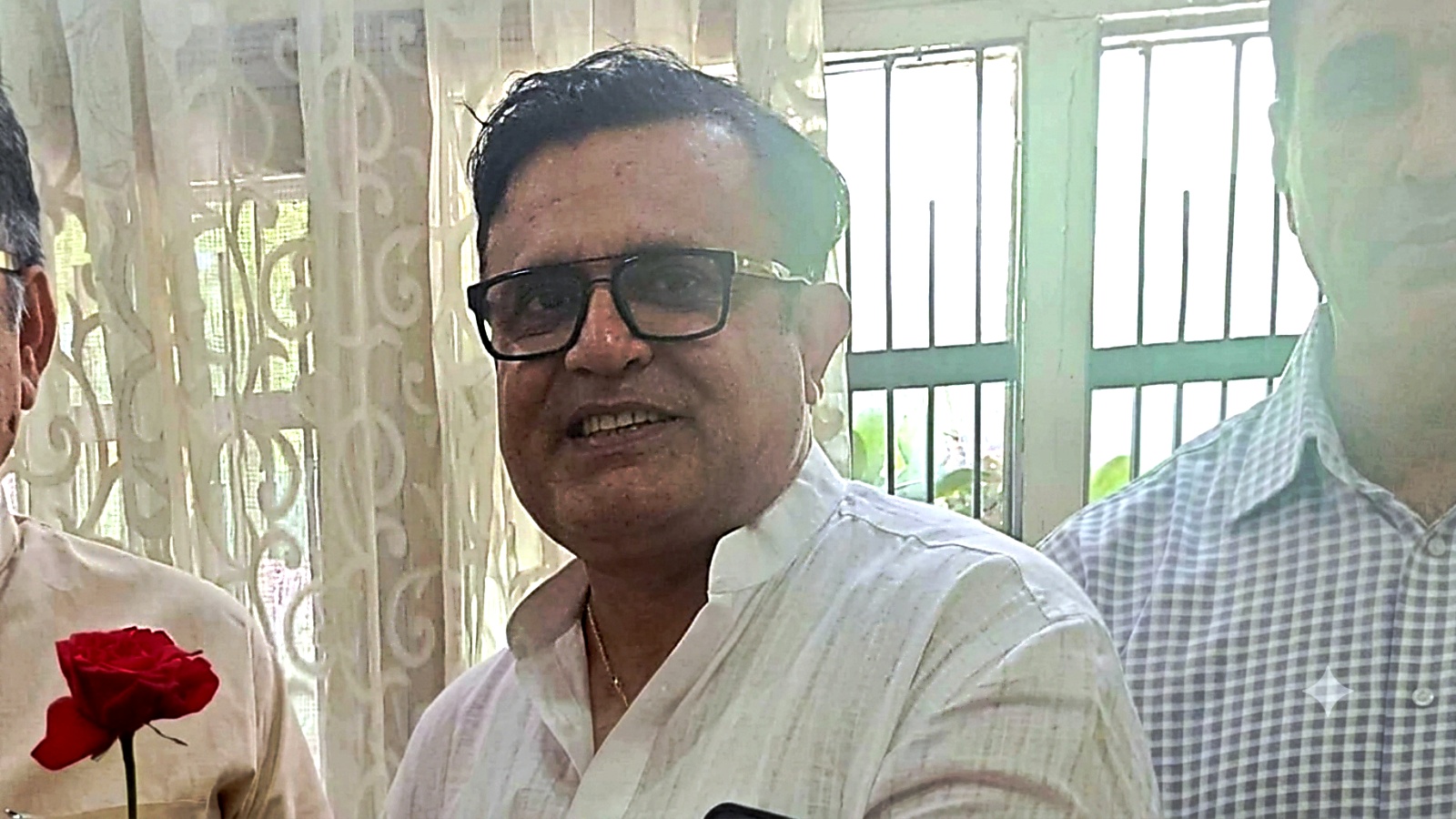
Dr Aditya Batra, 45, who served as director of Holy Heart Hospital, was a well-known interventional cardiologist from Rohtak. (Source: FB)
The death of 45-year-old Dr Aditya Batra, a prominent interventional cardiologist from Rohtak and director of Holy Heart Hospital, after reportedly suffering a cardiac arrest (sudden stoppage of the heart’s electrical rhythms) at his home, has once again spotlighted sudden cardiac deaths among the young.
According to reports, he had performed two surgeries during the day before returning home. Later that night, he felt some pain in his chest and immediately ran to the bathroom, where he fainted. He was rushed to the hospital, where efforts were made to save his life by giving CPR for three hours, but he could not be revived. This raises an uncomfortable question: why are the very people trained to recognise heart disease so vulnerable to it themselves?
“The answer,” says Dr Ranjan Shetty, lead cardiologist and medical director, Sparsh Hospital, Bengaluru, “lies not in a single trigger but in the cumulative burden of chronic stress, sleep deprivation, burnout and delayed self-care that has become almost endemic in the medical profession.”
A profession that normalises stress
Doctors routinely work 24- to 36-hour shifts, make life-and-death decisions under constant pressure, skip meals, lose sleep and often neglect their own health checks. According to Dr Shetty, “the combination of long duty hours, irregular eating habits, chronic sleep deprivation and burnout creates a sustained inflammatory state in the body. Over time, this damages blood vessels, accelerates cholesterol plaque formation and raises the risk of coronary artery disease. Stress hormones such as adrenaline and cortisol also keep blood pressure elevated and increase the workload on the heart. Over time, this can raise blood pressure, increase inflammation, damage the inner lining of blood vessels and accelerate the build-up of plaque in the coronary arteries. The irony is that doctors frequently dismiss early warning signs in themselves.”
Symptoms such as unexplained fatigue, mild chest discomfort, nausea, palpitations or light-headedness are often attributed to exhaustion after a demanding shift rather than investigated as possible cardiac warning signals.
Why are even fit doctors not immune
Many of the doctors who have died suddenly were physically active and appeared healthy. But, says Shetty, heart disease is multifactorial. “Regular exercise alone cannot eliminate risk if other factors — including family history, hypertension, diabetes, prolonged stress, poor sleep and long periods of inactivity during work — remain unchecked. A person may complete a daily workout yet spend the rest of the day sedentary in operating theatres, clinics or offices.”
Stress also affects the cardiovascular system in ways that routine tests may not immediately reveal. Chronic inflammation can destabilise arterial plaques, while surges in stress hormones increase heart rate, blood pressure and oxygen demand, potentially triggering an event in someone with underlying disease. “In susceptible individuals, a surge in stress hormones during or after an intense work period can increase the heart’s oxygen demand and, if a significant blockage already exists, trigger a heart attack. In severe cases, the heart attack can lead to fatal rhythm disturbances and sudden cardiac arrest,” explains Dr Shetty.
Story continues below this ad
Heart attack or cardiac arrest?
The two terms are often used interchangeably but describe different conditions. A heart attack occurs when blood flow to part of the heart muscle is blocked, usually by a clot in a narrowed coronary artery. Sudden cardiac arrest, on the other hand, is an electrical malfunction that causes the heart to stop pumping effectively. A severe heart attack —particularly one involving the left main coronary artery or the left anterior descending artery — can trigger dangerous rhythm disturbances that culminate in sudden cardiac arrest. This is why some patients collapse suddenly despite receiving immediate medical attention.
Survival depends on minutes
Even inside hospitals, survival from sudden cardiac arrest is not guaranteed. “Immediate, high-quality CPR and rapid defibrillation remain the cornerstones of treatment. Survival improves substantially when resuscitation begins immediately, although outcomes still depend on the extent of heart muscle damage and the underlying cause,” says Dr Shetty.
He feels that managing cardiovascular risk among healthcare workers is as much about institutional changes as much about individual responsibility. Protected sleep, reasonable work hours, regular preventive health screenings, stress management, healthier food options during shifts and a culture that encourages doctors to seek care for themselves are increasingly being viewed as essential rather than optional.
“I have noticed doctors talking about sleep deprivation as a badge of honour. Chronic overwork is eroding your body and eating into your quality of life. If you aren’t fit yourself, how will you take care of patients?” asks Dr Shetty.
View original source — Indian Express ↗
Related stories

TASS
HealthJul 17, 2026 · 1 min
Seven killed in US attack on Iran’s Bandar-e Imam Khomeyni — Fars
TASS
South China Morning Post
HealthJul 17, 2026 · 1 min
Hong Kong taxi driver dies after crashing into railing in Tsuen Wan
South China Morning Post

Philippine Daily Inquirer
HealthJul 17, 2026 · 1 min
DOH: Covid-19 cases down by 70% this year
Philippine Daily Inquirer
The Guardian
HealthJul 17, 2026 · 1 min
‘I’m sorry but I’m unable to speak’: hero of India’s Cockroach party weakens on 19th day of hunger strike
The Guardian