Indian Express
A century after his martyrdom, remembering Teja Singh Samundri’s role in the Akali movement
Written by: Mohinder Singh
4 min readChandigarhUpdated: Jul 17, 2026 12:06 PM IST
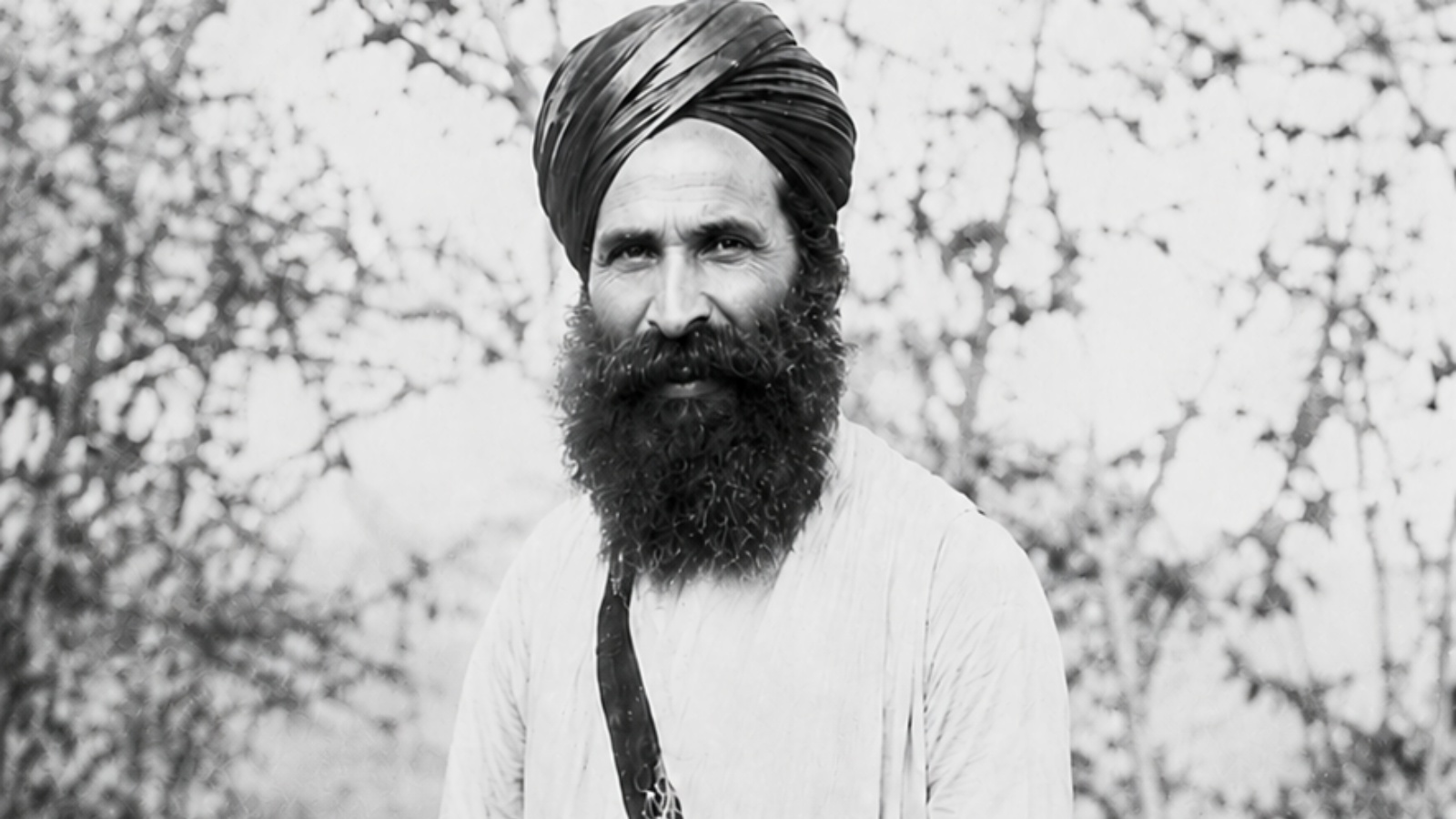
Akali leader Sardar Teja Singh Samundri. (Source: Express Photo)
A hundred years after the martyrdom of Akali leader Sardar Teja Singh Samundri, historians continue to regard him as one of the principal architects of the Gurdwara Reform Movement, whose blend of personal sacrifice, organisational acumen and commitment to education helped shape modern Sikh institutions.
Samundri’s association with the movement began in September 1920 when he volunteered in response to an appeal seeking “100 martyrs” for the restoration of the boundary wall of Gurdwara Rakab Ganj in Delhi. The wall had been partially demolished by the British administration to make way for a road leading to the Viceroy’s Palace after the imperial capital shifted from Calcutta to Delhi.
The demolition sparked widespread resentment among Sikhs and came to be known as the Rakab Ganj Affair. A World War I veteran known for championing public causes, Samundri was the first to enlist for the proposed martyrdom campaign. While pro-government Sikh leaders defended the official action, nationalist leaders mobilised public opinion through publications such as The Sikh Review to raise awareness and funds for rebuilding the wall.
Historians view the Rakab Ganj agitation as a precursor to the larger Akali Movement (1920-25), the non-violent campaign to wrest control of historic Sikh gurdwaras from hereditary mahants accused of corruption and mismanagement.
The campaign differed from later Sikh agitations in three significant ways. It relied heavily on the power of the press and public opinion, adhered firmly to non-violent methods despite the emergence of the militant Babbar Akalis, and avoided taking a communal turn.
Samundri, whose grandson is today the lieutenant governor of Delhi, also played a key organisational role in the movement’s media outreach. Along with leaders such as Master Tara Singh and Mangal Singh, he helped establish newspapers including Akali (Urdu) and Akali te Pardesi (Punjabi). Recognising the need to influence opinion at the national level, the leadership also supported an English-language newspaper from Delhi.
Beyond politics, Samundri viewed education as central to Sikh social reform. Despite limited formal schooling himself, he championed girls’ education and established a network of institutions in the canal colonies of undivided Punjab, including Khalsa High School in Lyallpur, Baar Khalsa High School in Chak No. 41, Khalsa Middle School in Chak No. 140 and Guru Gobind Singh Khalsa High School in Sarhali.
Story continues below this ad
Khalsa High School at Lyallpur was later upgraded into a college in 1928 and, after Partition, became the Government Municipal Graduate College in Faisalabad, Pakistan. It was also where Master Tara Singh served as the institution’s first headmaster, earning the title by which he would later become widely known.
The Gurdwara Reform Movement culminated in the enactment of the Sikh Gurdwaras Act in 1925, establishing elected management of historic Sikh shrines through the Shiromani Gurdwara Parbandhak Committee.
When several moderate leaders accepted conditional release from Lahore Central Jail, Samundri refused to do so. He remained imprisoned and died in custody on July 17, 1926, becoming one of the movement’s most enduring symbols of sacrifice.
Today, on the centenary of his martyrdom, Samundri is remembered not only for his steadfast role in the Gurdwara Reform Movement but also for helping lay the foundations of democratic Sikh institutions, a vibrant nationalist press and a network of educational institutions that outlived him by generations.
Story continues below this ad
(The writer is the Director-General of the National Institute of Panjab Studies, New Delhi, and has authored the acclaimed seminal work The Akali Movement)
View original source — Indian Express ↗
Related stories

The Punch
WorldJul 17, 2026 · 1 min
Uganda drops case against women arrested for kissing in public
The Punch

Straits Times
WorldJul 17, 2026 · 1 min
UK police charge man over Iran-linked spying offences
Straits Times

Philippine Daily Inquirer
WorldJul 17, 2026 · 1 min
NUJP condemns criminal charges vs ex-news editor Marchel Espina
Philippine Daily Inquirer

Philippine Daily Inquirer
WorldJul 17, 2026 · 1 min
Ateneo sets scholarship program in honor of players Adili, Baterbonia
Philippine Daily Inquirer