Indian Express
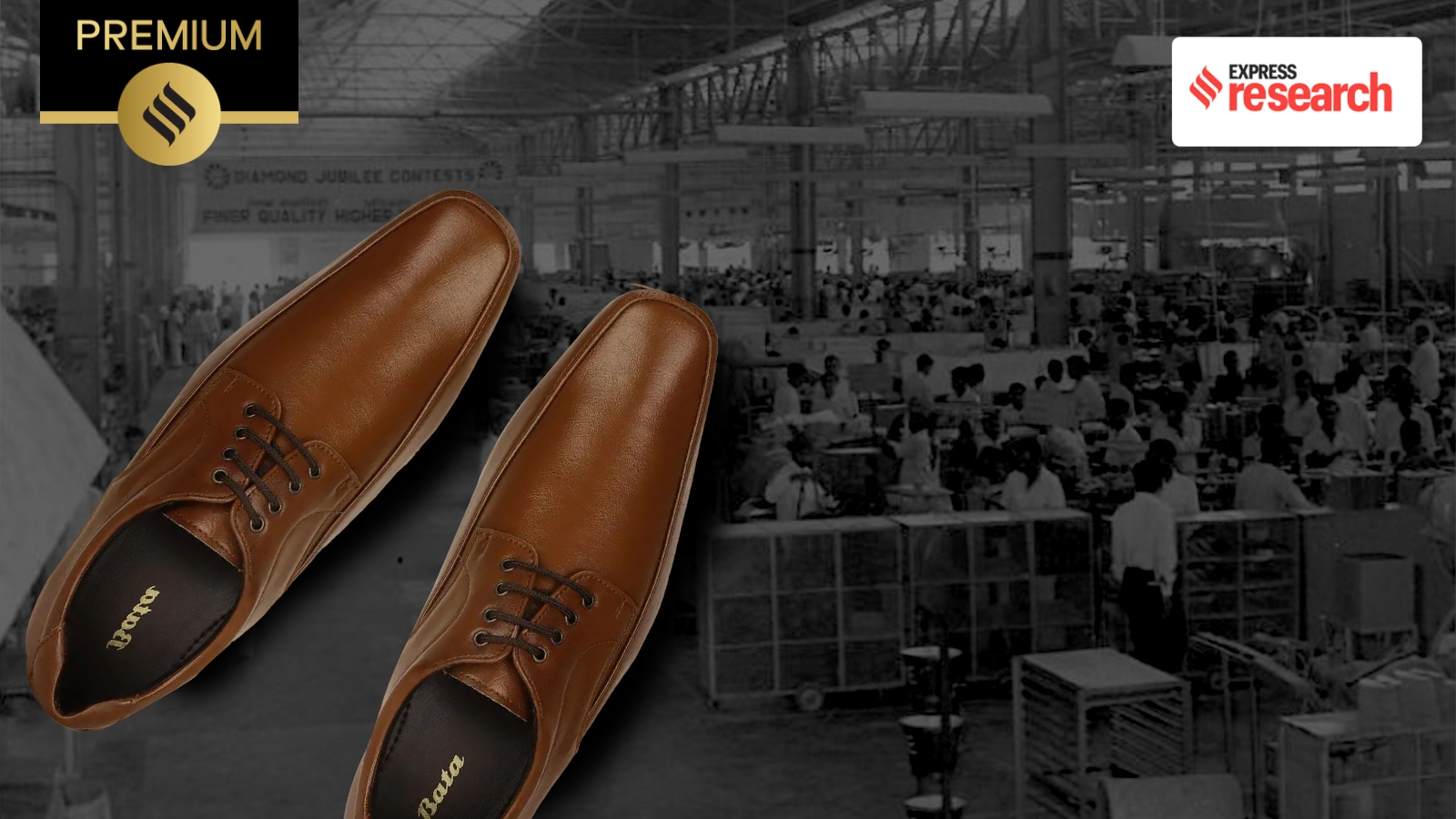
How a Czech company became part of everyday India: The untold story of Bata
16 min readNew DelhiJul 17, 2026 01:05 PM IST
First published on: Jul 17, 2026 at 01:01 PM IST
Written by Niladri Chatterjee and Nikita Mohta
Think of Bata, and chances are you think of childhood: white canvas shoes for school, or the sturdy sandals your grandmother never seemed to replace. Few foreign brands have entered Indian life so quietly, or stayed as long, as Bata has.
Bata is often assumed to be Indian because, in a profound sense, generations of Indians made it so — through work, purchase, memory, and everyday use. Yet the company began its journey far from India. It was founded in 1894 in Zlín, a Moravian town then part of the Austro-Hungarian Empire, by Tomáš Baťa and his siblings, Anna and Antonín. By the interwar years, the enterprise had grown into an ambitious Czechoslovak multinational, combining mechanised production, retail expansion, scientific management, welfare provision, and industrial town planning.
The history of Bata in India is therefore not simply the history of shoes. It is the story of how a company from a European state without territorial power in India entered a colonial economy, used imperial infrastructures, confronted Asian competition, moved through a caste-marked commodity world, and eventually made its own foreignness remarkably difficult to see.
View original source — Indian Express ↗
Related stories

The Punch
WorldJul 17, 2026 · 1 min
Yobe approves N460.8m to empower akara sellers, others
The Punch
The Punch
WorldJul 17, 2026 · 1 min
FUTA urges quality over quantity in university education
The Punch
The Punch
WorldJul 17, 2026 · 1 min
NIPR warns against unlicensed PR practitioners
The Punch

South China Morning Post
WorldJul 17, 2026 · 1 min
Ex-primary school IT technician jailed 11 years for molesting 3 boys on campus
South China Morning Post