South China Morning Post
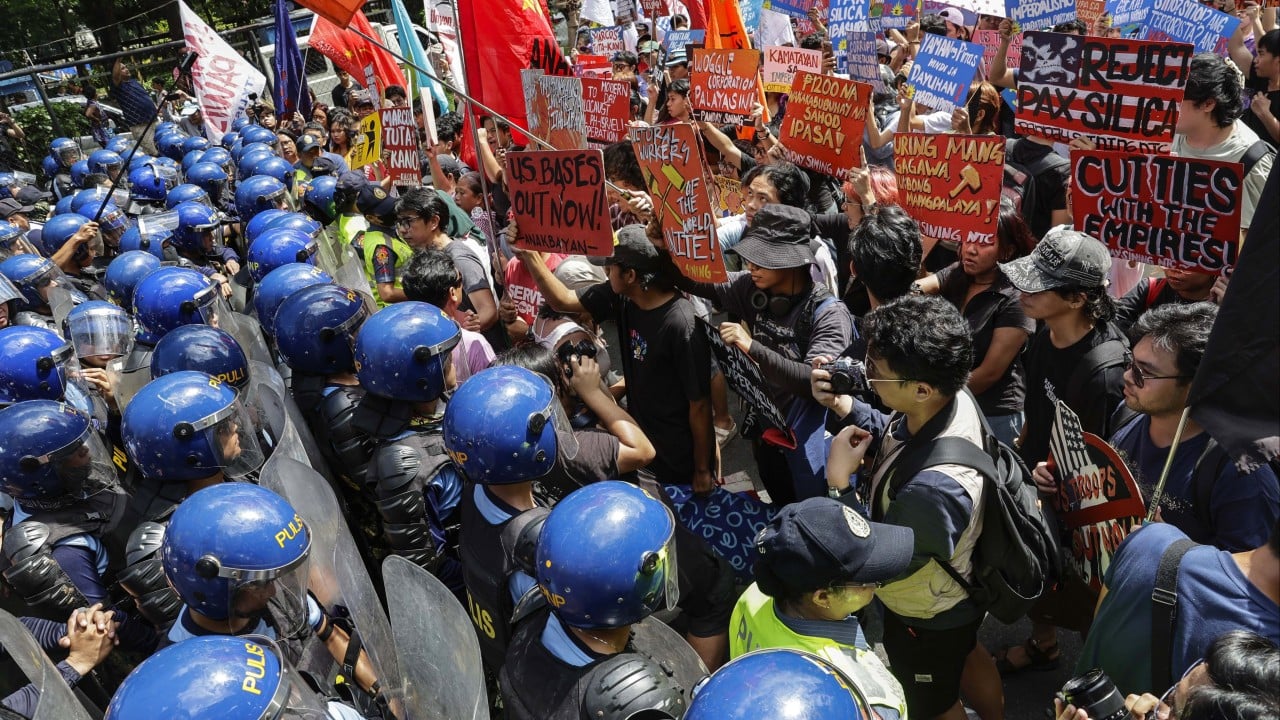
Philippines’ Pax Silica AI hub plan slammed for mineral ‘plunder’
On a 1,620-hectare (4,000 acres) site north of Manila, Philippine and US officials are pitching a hi-tech hub as a global gateway to AI, semiconductors and critical minerals.
For critics, however, the proposed development – part of the US-backed global Pax Silica project – is concrete proof of another infrastructure push over contested land at the expense of local communities, threatening their livelihoods and scarce water supplies.
It is, they argue, a further example of ambitious investment pitches racing ahead of environmental safeguards and proper cost-benefit analysis.
Manila is seeking to finalise a framework agreement with Washington for the hub within two to three months, according to Joshua Bingcang, president and CEO of the state-run Bases Conversion and Development Authority (BCDA).
The BCDA is tasked with turning former US military bases into centres of economic growth, including the one in New Clark City near Capas, Tarlac province – about 100km (62 miles) north of Manila – where the hub is set to be located.
Pax Silica aims to secure critical supply chains for artificial intelligence, semiconductors and other strategic technologies. The Philippines and Singapore are the only Southeast Asian members of the coalition.
Bingcang said the hub would likely start operations within two years, attract an initial US$10 billion in investment and generate “hundreds of thousands of jobs”.
View original source — South China Morning Post ↗
Related stories

The Punch
WorldJul 17, 2026 · 1 min
2026 JAMB highest scorer recieves ₦1m scholarship
The Punch
The Punch
WorldJul 17, 2026 · 1 min
NDLEA declares drug kingpin, three associates wanted, freezes N9.8bn linked to syndicate
The Punch
The Punch
WorldJul 17, 2026 · 1 min
Alonso axes five Chelsea senior players — Report
The Punch

CBC
WorldJul 17, 2026 · 1 min
Lottery sales are slipping, but Manitoba hopes smaller prizes will win over young adults
CBC