Indian Express
Viral desert rain frog listed as Vulnerable: Why the internet-famous amphibian is at risk
3 min readNew DelhiJul 17, 2026 01:59 PM IST
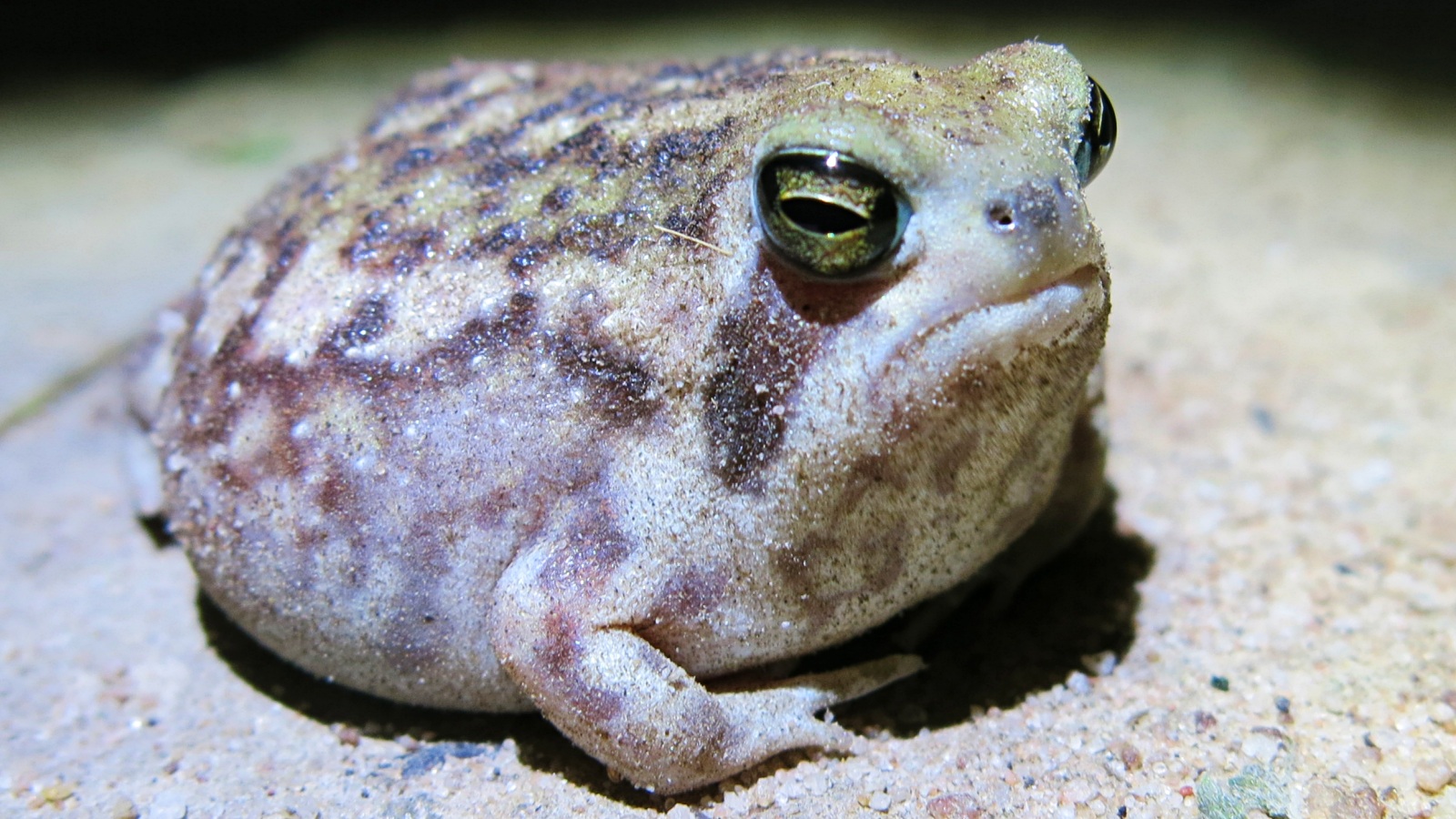
A tiny frog that won millions of hearts online with its adorable squeaky “battle cry” is now facing a much less cheerful reality. The desert rain frog (Breviceps macrops), whose high-pitched defensive squeak turned it into one of the internet’s most-loved amphibians, has now been listed as Vulnerable on the International Union for Conservation of Nature (IUCN) Red List.
The viral frog is now officially facing an increased risk of extinction in the wild. Conservationists are warning that while the frog’s viral fame made it famous, it may also have made it more vulnerable.
Why is the viral desert rain frog under threat?
The desert rain frog is found nowhere else on Earth except a narrow strip of coastal sand dunes stretching across parts of Namibia and South Africa. The species spends most of its life burrowed beneath the sand, emerging mainly to feed and breathe.
According to the latest IUCN Red List assessment, the frog’s population is projected to decline by around 20 per cent over the next two decades, largely because its fragile habitat is under increasing pressure.
Diamond mining, along with proposed energy developments, is shrinking and degrading the sand dunes the frog depends on for survival. Because the species occupies such a specialised habitat, it has very little room to adapt if that environment is destroyed.
“If the habitat was transformed, there’s no room for this species to move further up the coast or further down the coast,” scientist Alex Lawrence of conservation group Anura Africa said, according to the BBC.
Can internet fame become a conservation problem?
Ironically, the same qualities that made the desert rain frog a viral sensation—its rounded body, expressive eyes and unmistakable squeaky call—could also become a threat.
Story continues below this ad
Experts fear its growing popularity may increase demand among wildlife collectors seeking unusual pets.
“Frogs that are so unique looking as this can become victims of their own fame,” Benjamin Tapley, curator of amphibians and reptiles at the Zoological Society of London, told the BBC.
Illegal wildlife trade has already affected several rare amphibian species around the world, prompting conservationists to remain cautious whenever an animal suddenly becomes an online celebrity.
Despite the warning, scientists stress that the desert rain frog is not beyond saving. Lawrence says restoring mining sites after extraction and protecting the remaining coastal dune habitats could help secure the species’ future.
Story continues below this ad
“While it is now at risk of extinction, it is still far from being lost entirely,” he said.
Explore more captivating stories about pets and animals here, and make us your daily stop for the latest from the animal kingdom.
View original source — Indian Express ↗
Related stories

Philippine Daily Inquirer
EntertainmentJul 17, 2026 · 1 min
Comelec OKs Robredo plea to sync plebiscite with BSKE
Philippine Daily Inquirer

BBC
EntertainmentJul 17, 2026 · 1 min
New photograph marks Queen's 79th birthday
BBC

Variety
EntertainmentJul 17, 2026 · 1 min
Rising Brit Star Sophie Simnett Joins Black-and-White Silent Comedy ‘The Candidate’ (EXCLUSIVE)
Variety

Times of India
EntertainmentJul 17, 2026 · 1 min
Quote of the day by Meryl Streep
Times of India